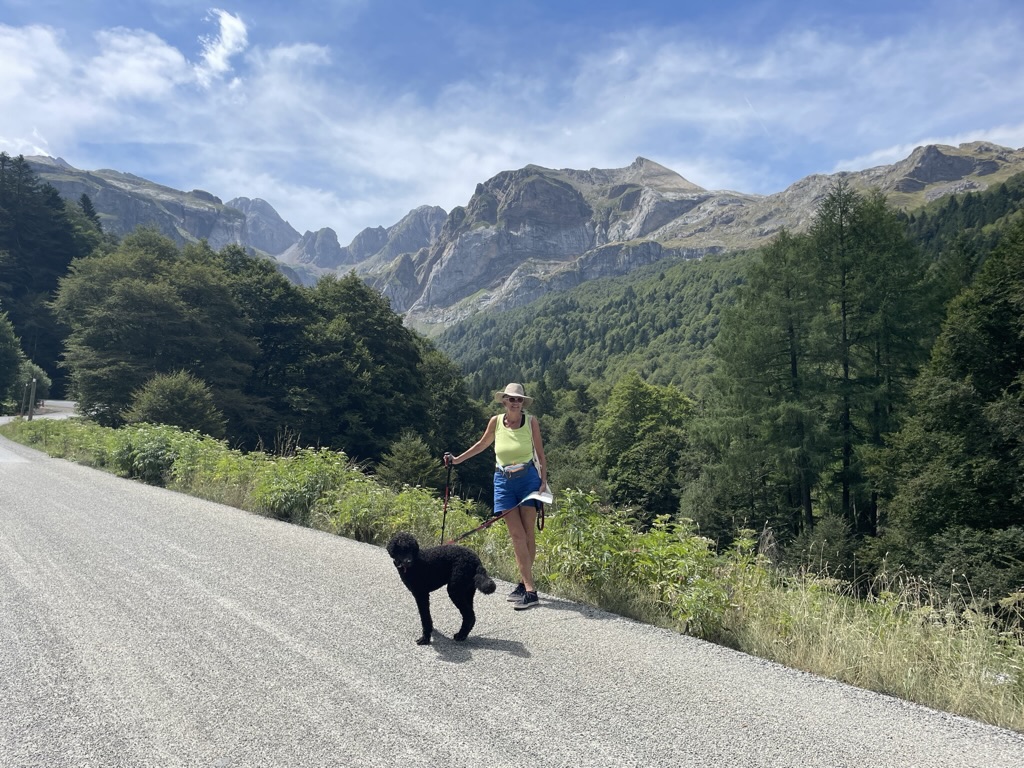
It’s been longer than I planned between these posts but I think you’ll see why I’m so tardy…
Where to begin? Let me just tell you that, as I write this, Denise is in Los Angeles tending to our youngest son and I’m in Porto with Coco. This was definitely not in the program but you know what they say about plans. Finn is doing much better, so that’s a relief (Out of respect for his privacy, I won’t go into the details but he’s on the mend as I write this two weeks later. PM me if you know him and want details), but let me just back up and tell you about the crazy last few weeks.

As I mentioned in our last post, the apartment in Castiello de Jaca was not all that we hoped it would be. In fact, it was really uncomfortable, from the bed to the couch to the chairs; there was just no place to feel comfy and that was galling. On top of that, there was the smell from the sink that just never went away. We tried candles and air fresheners but nothing worked. The hosts claimed to know nothing about the issue but there were tell-tale spent devices all over, speaking to olfactory battles fought and lost. The bed was the straw that broke the camel’s back — or my back, to be precise — and every night made things worse. With a week to go in our rental, we didn’t relish spending extra money to find a new place but we were both fed up with the situation. So, when I found a reasonably priced place with air conditioning just ninety minutes south in Zaragoza (best pronounced with a lisp), we packed up and let Ricardo know that we were outta there.

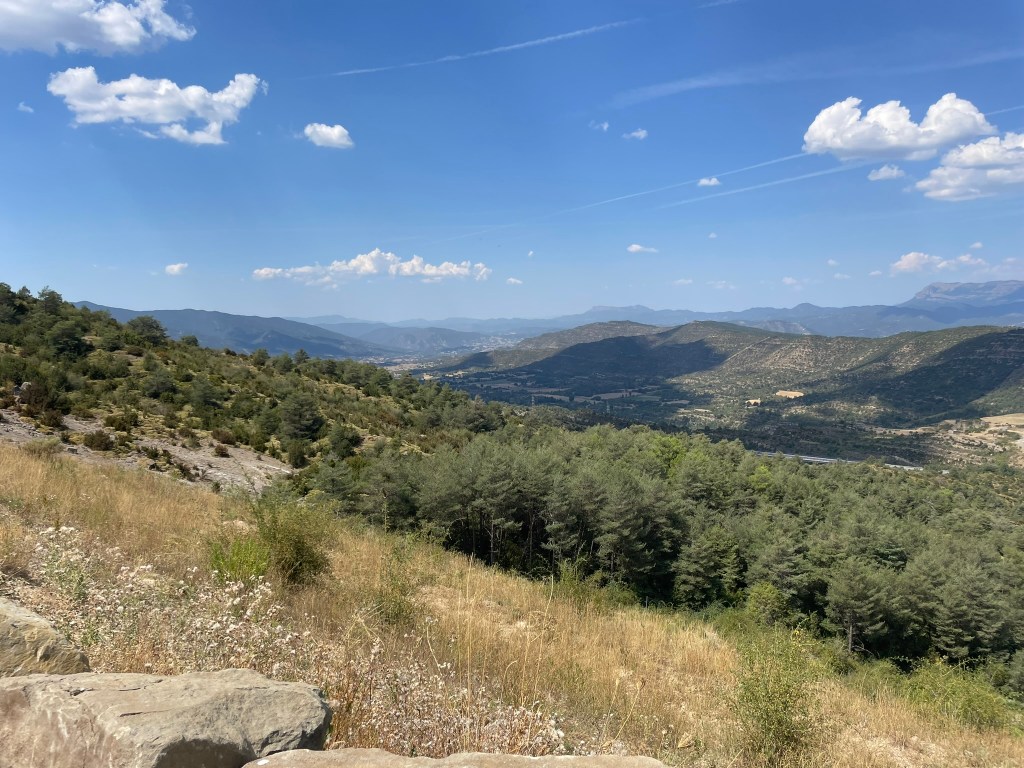
The drive to Zaragoza was a crash lesson in the varied Spanish geography, and when we started climbing out of the Jaca valley we stopped to look back at the sight of the dramatic sweep of the Pyrenees in the near distance, with an empty, hilly desert in the foreground. It reminded me of the views you get in the Albuquerque-Santa Fe area: somewhat desolate yet gorgeous. We arrived at our place in the Arrabal neighborhood, a funky, working-class area just across the river from the downtown, and quickly cranked the splits in all three rooms. We’d avoided the worst of the European summer up until that week but, with the temperature rising in the 90s and 100s (40-45C) all over northern Spain, it was nice to have a place where we could cool off.
Of course, nothing is ever perfect in the world of Airbnb — especially in our price range — and the internet at our new place was not working. Our host suggested we call the company and have them troubleshoot the issue over the phone. That quickly turned into a comedy when we discovered that, although they had an English-speaking customer service department, they couldn’t help with anything technical and, when we talked to the department that could, nobody spoke English. Frustrated, I sent off a sharp note to the host, insisting that she, not us, fix the issue since we needed the connection for our work. (I didn’t tell her my “work” was a blog.)

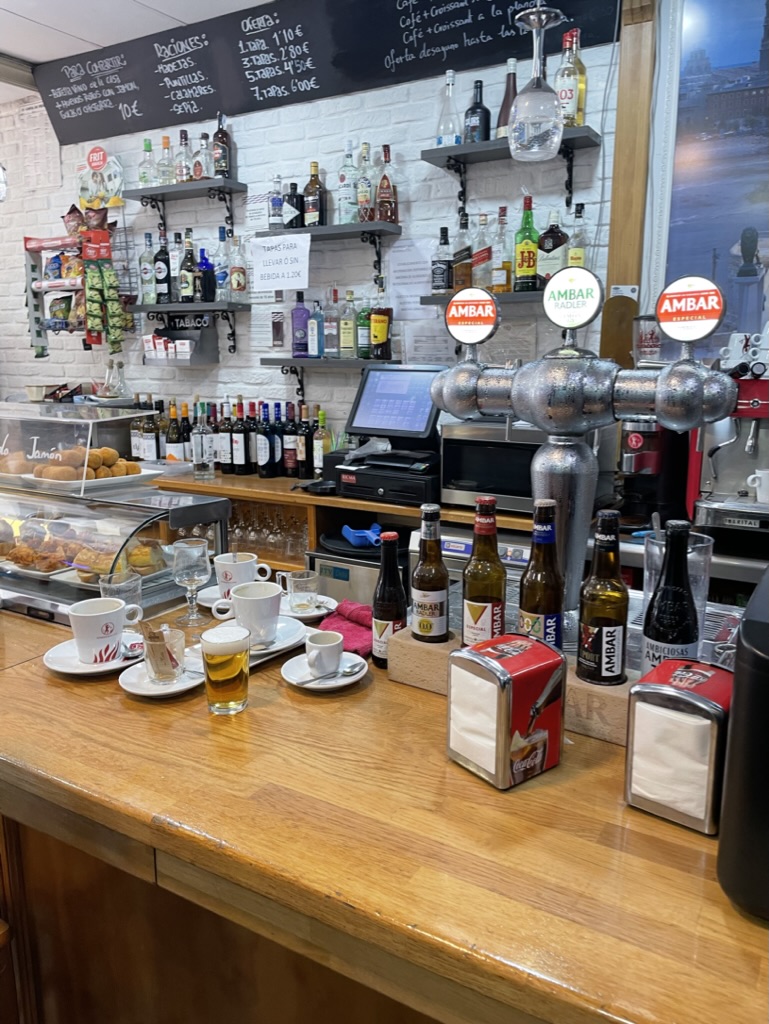
She promised to get a solution in the morning and so off we went into the city to find some food in the city’s popular El Tubo district, home of innumerable tapas bars. Unfortunately, that turned into a problem too, as the place we found with outdoor seating — to accommodate Coco — lost our food order, leaving us annoyed, hungry, and in search of another spot in the crowded corridor. We finally managed to get a restaurant to serve us food and then, with the temperature still hovering around 100 F despite the hour approaching midnight, we headed home to the cool comfort of our place. We collapsed into bed and about thirty minutes later, the power went out in the apartment, leaving us in the dark and without air conditioning, no doubt a consequence of running all three units at once. We spent many minutes searching for a fuse box or breaker panel to no avail before finally giving up and we went back to bed, spending a restless, sweaty night cursing our terrible luck.
The next morning, I messaged the host and she came over, removed a painting from the wall which was covering the elusive breaker panel and quickly restored the power, but not without a perceptible eye-roll. She also informed us that the technician from the internet company would be there soon and I assured her that I had plenty of experience waiting for them. In the course of the technician’s three-hour(!) visit, much of it spent taking pictures of Coco and talking on his phone with his wife about Coco, we got a phone call of our own that would throw a spanner in the works, as the English say.
Usually, getting our youngest son on the phone takes a lot of planning and, once we have him on the line, a lot of teeth-pulling to get him to tell us anything. He’s always been a quiet kid, monosyllabic at times, but possessing a sly sense of humor just below the surface. So, when I got a call from him at around five a.m. LA time, I figured something was up. He shared with me that he was not doing well and I immediately knew he needed to get to a hospital and get some help. After he assured me that he’d call a ride and got himself to LA General, we started making plans to get one of us to California.
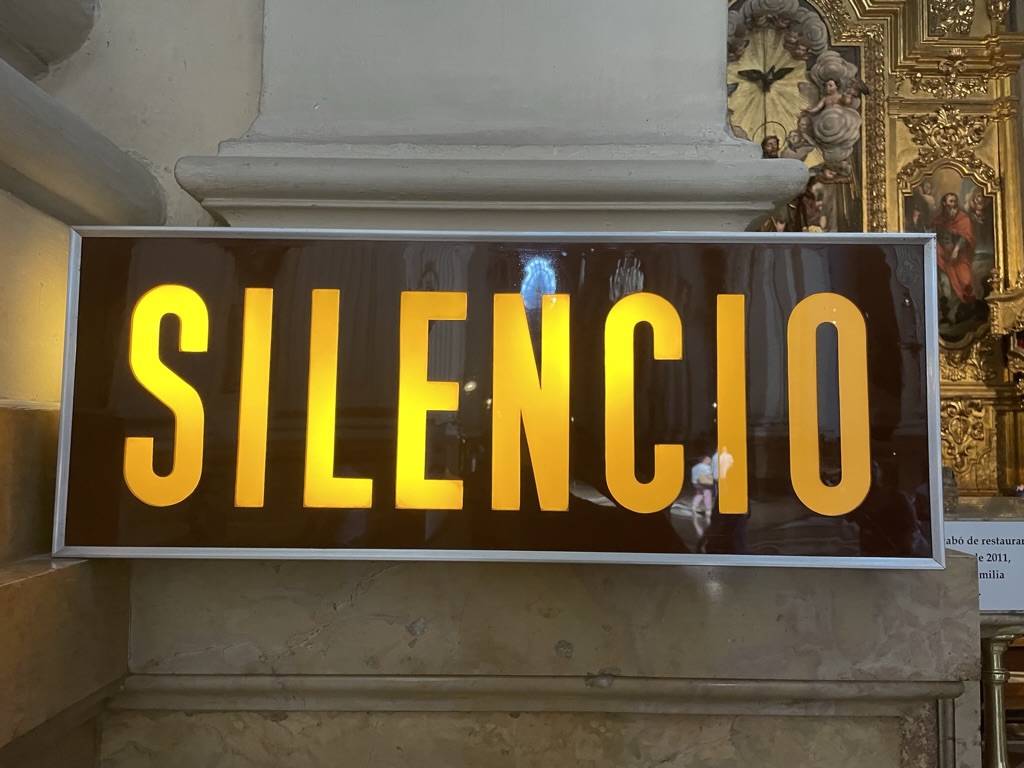
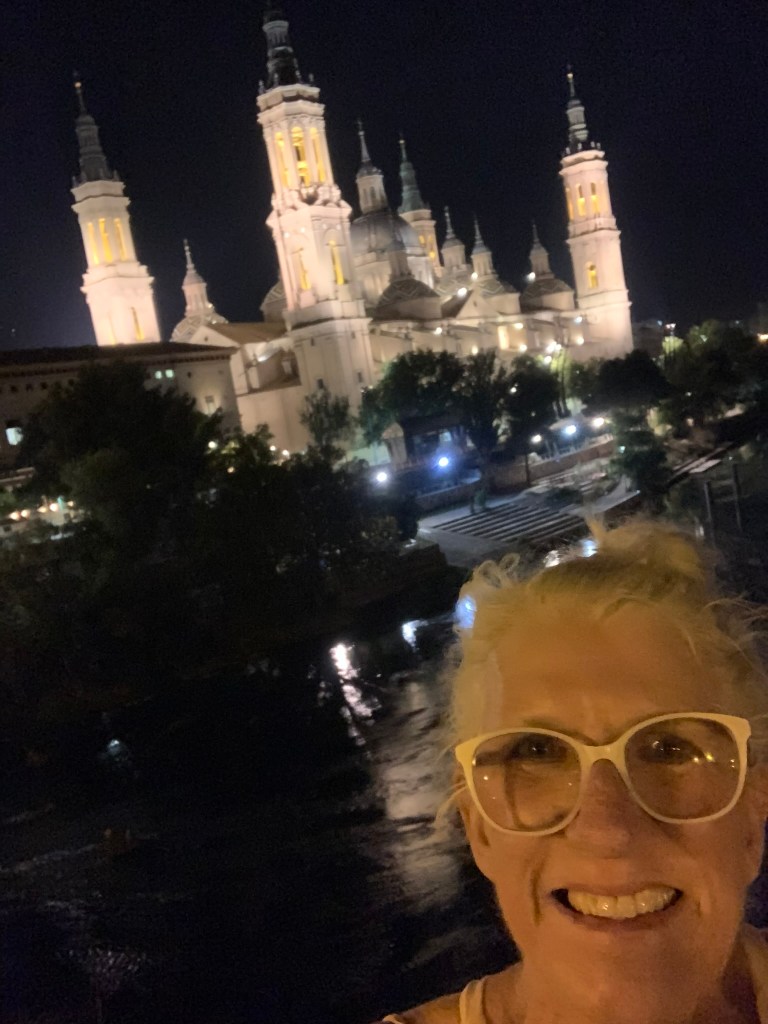
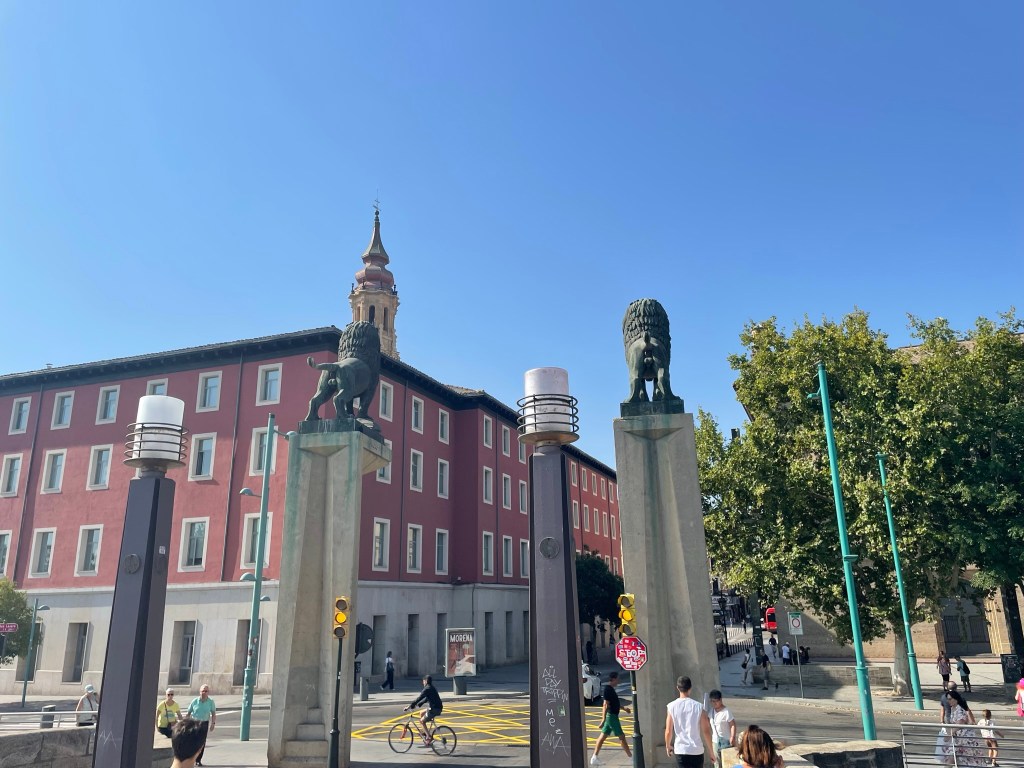
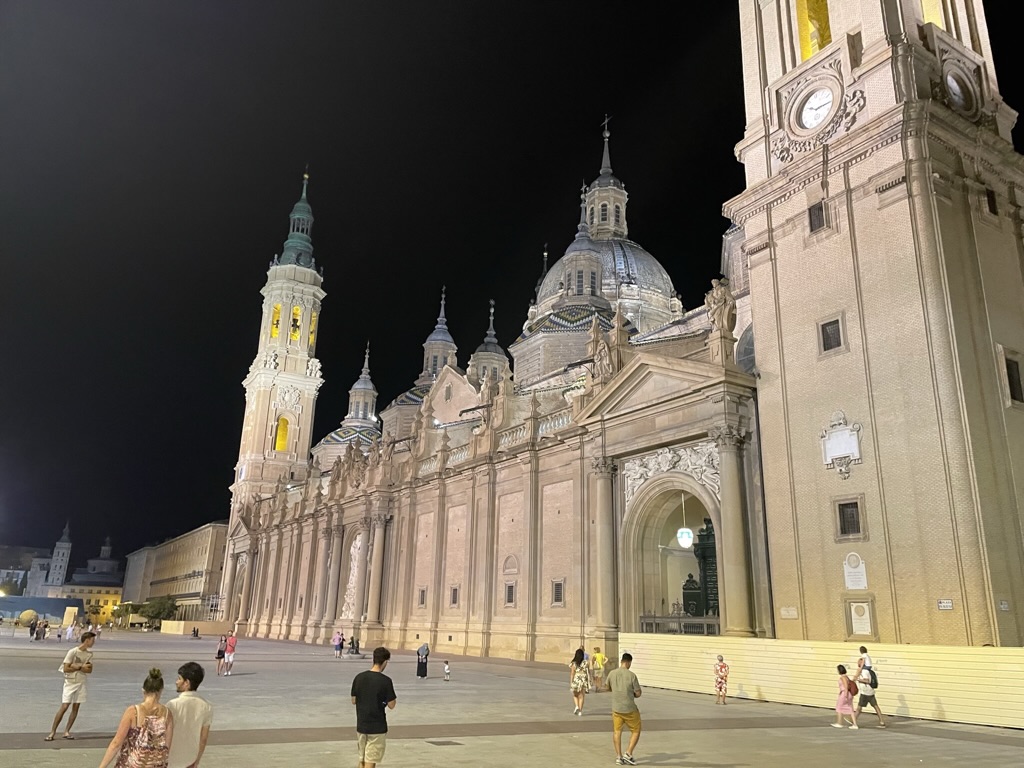
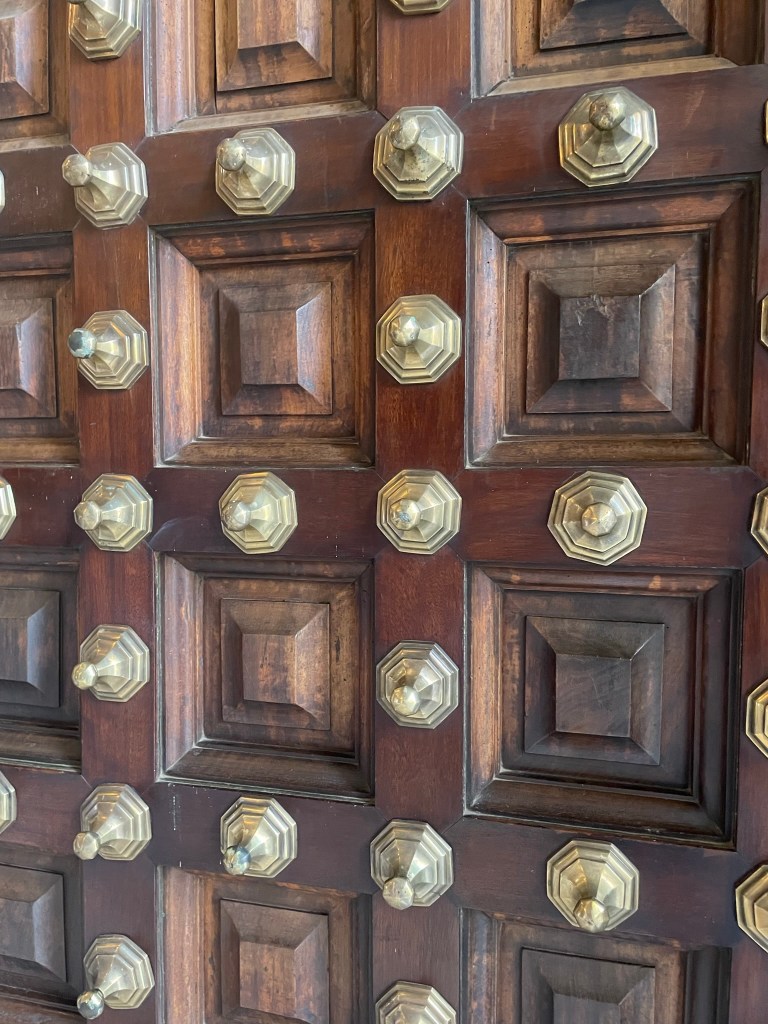
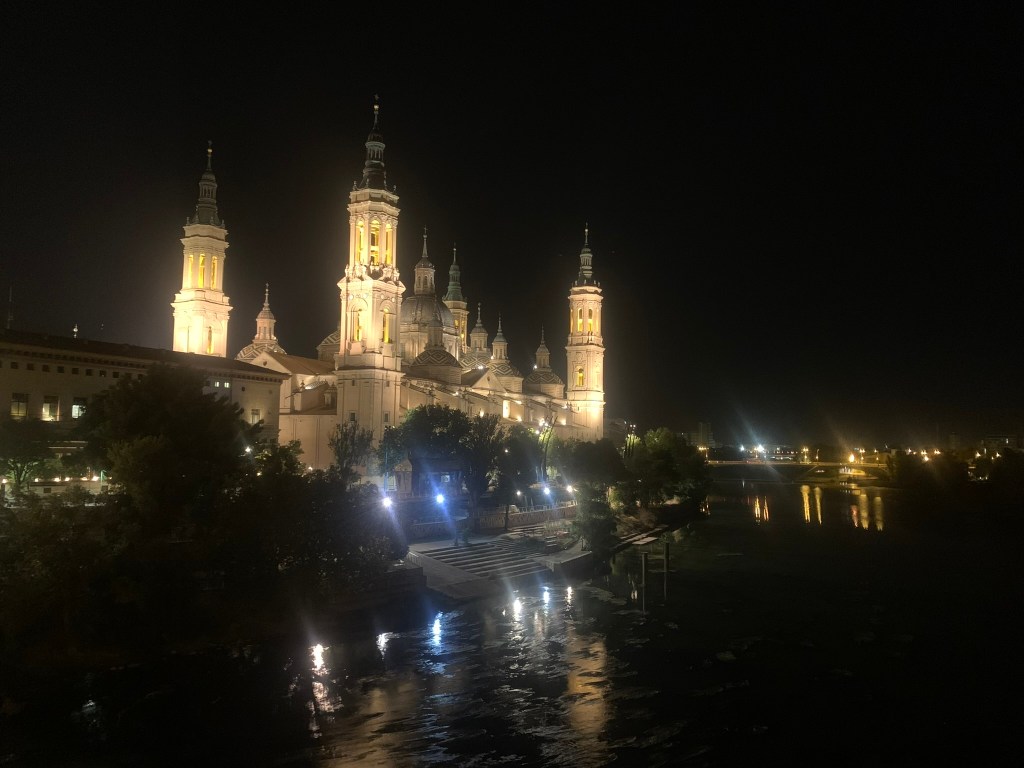
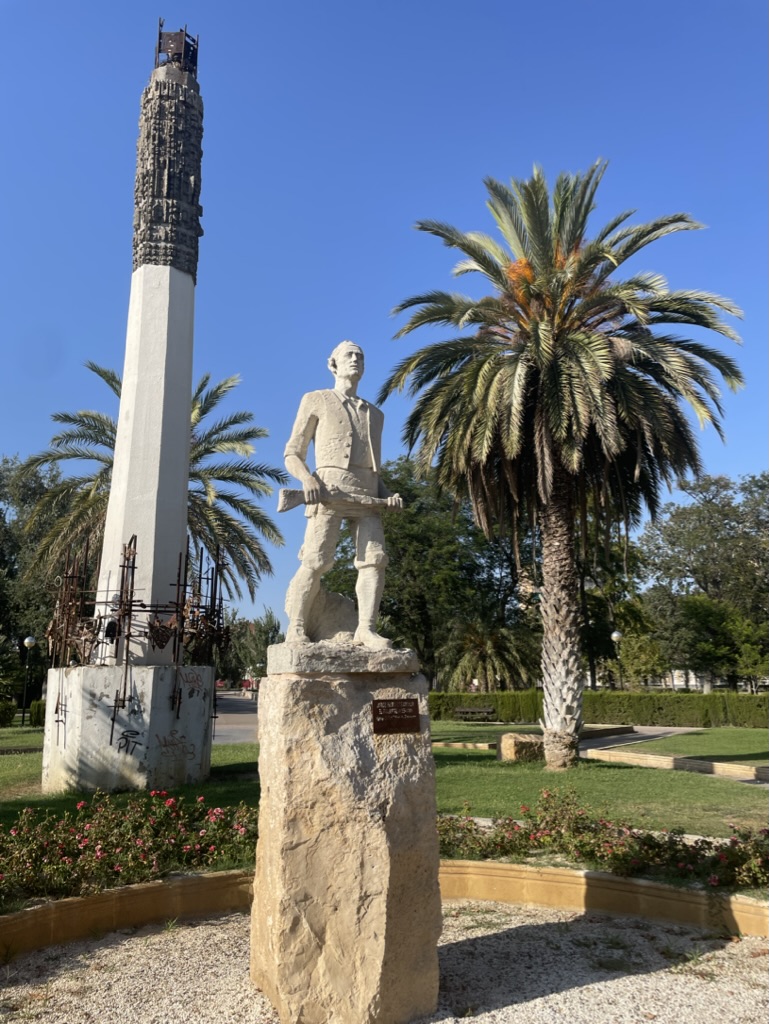
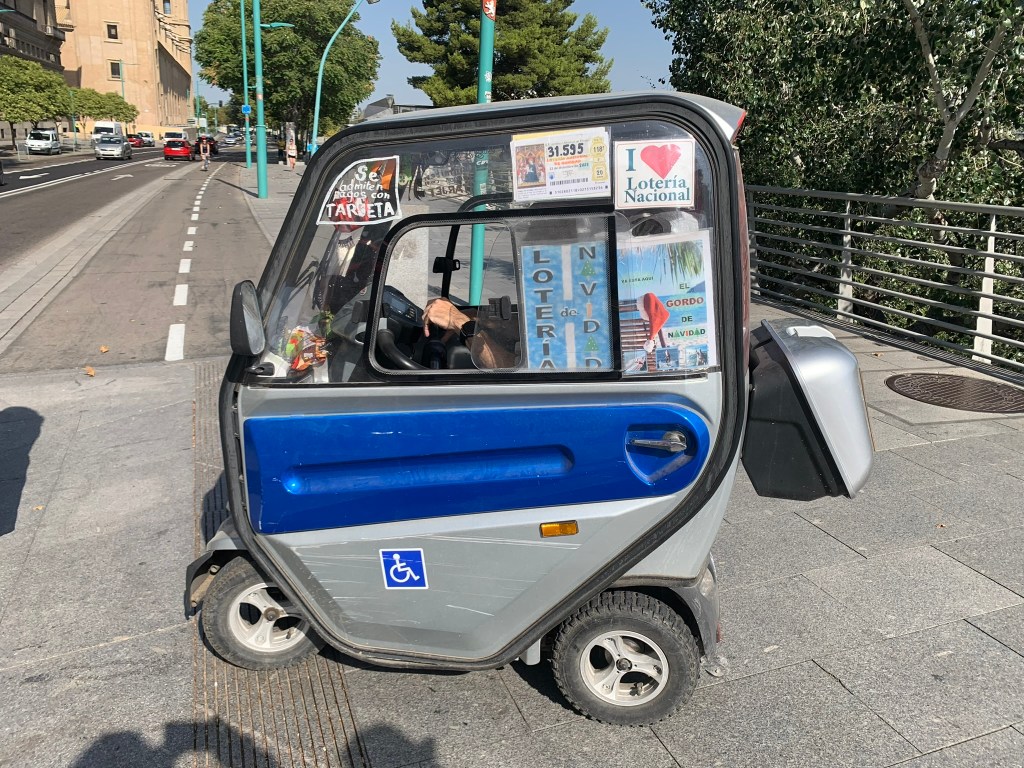
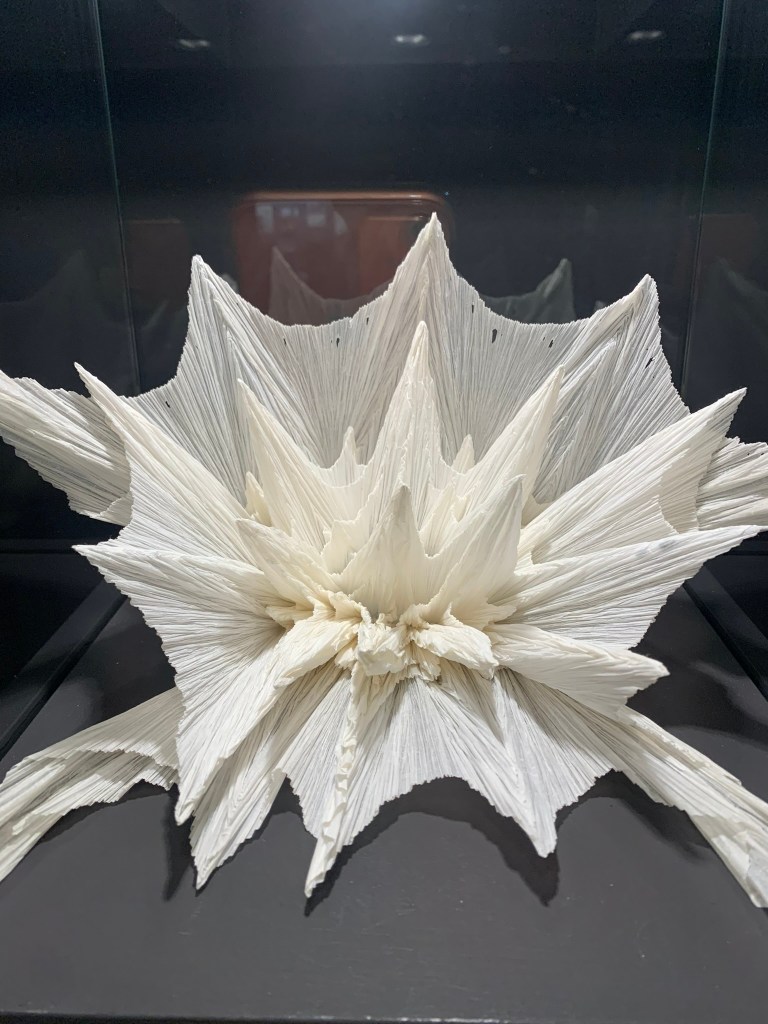
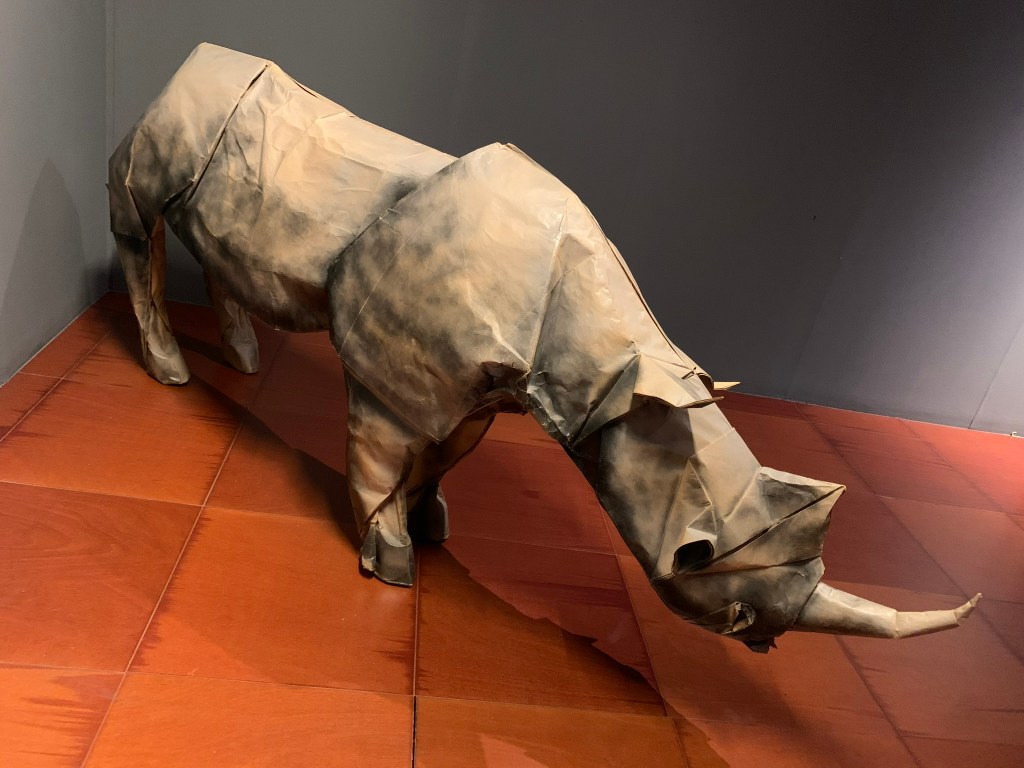
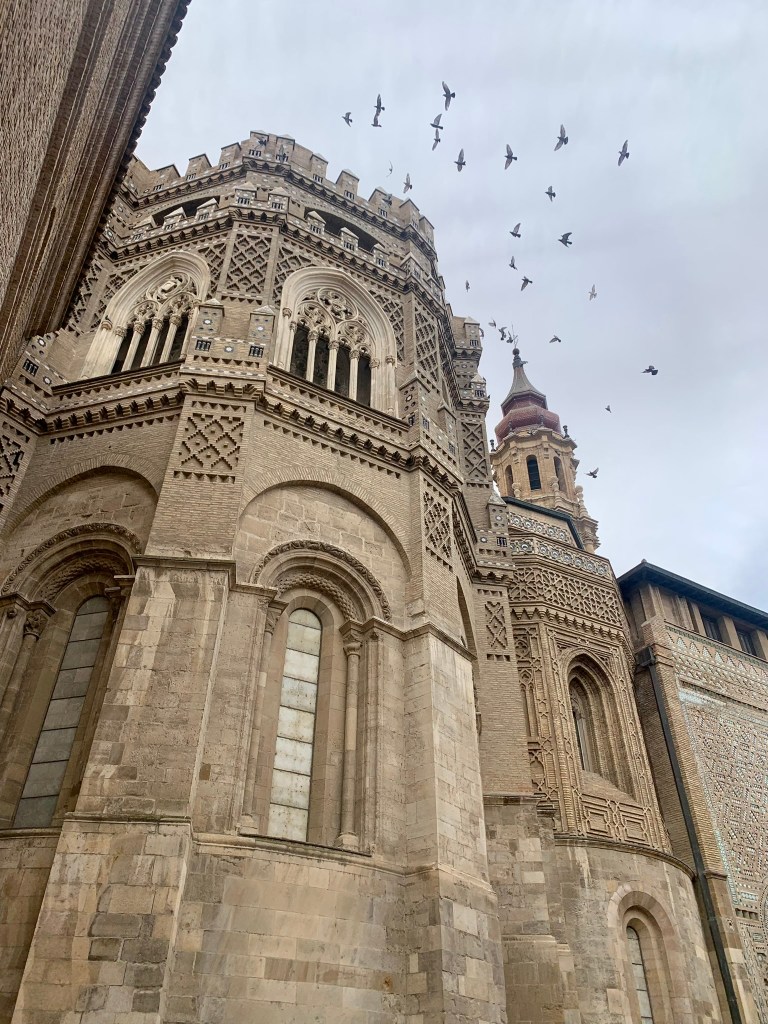
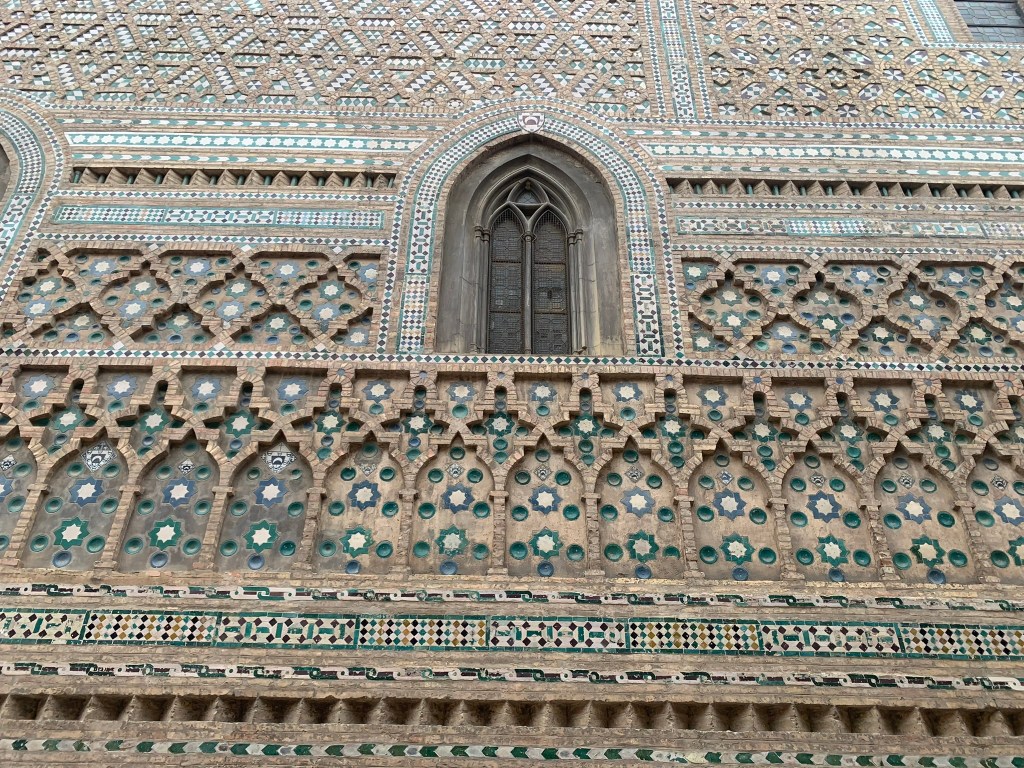
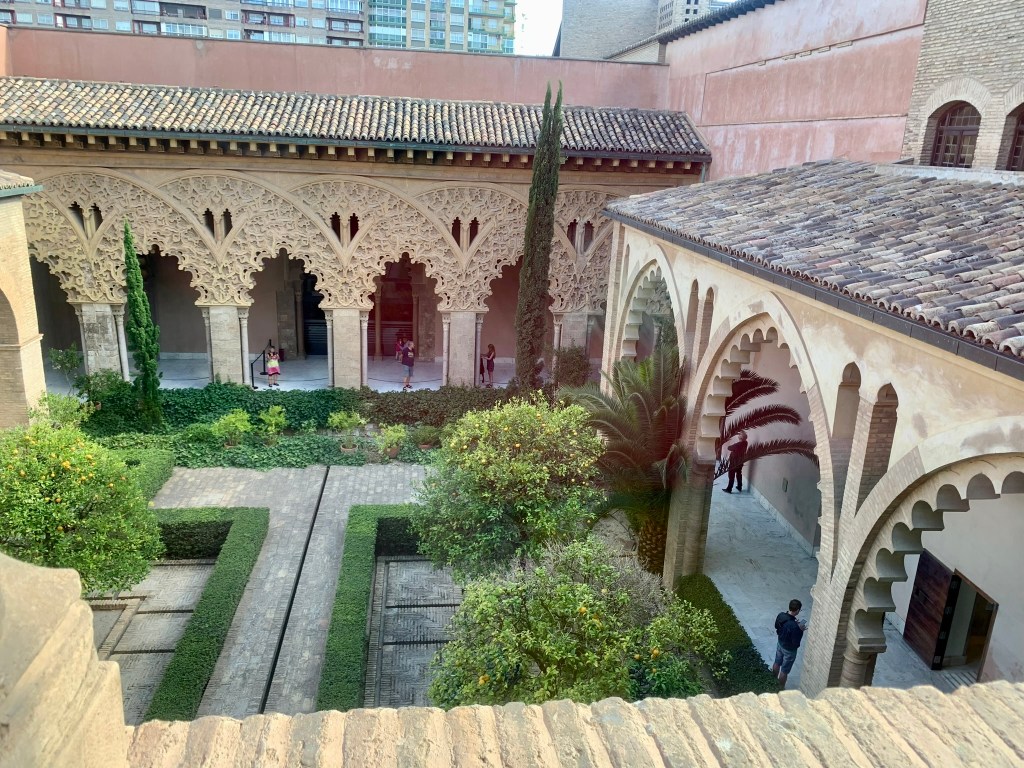
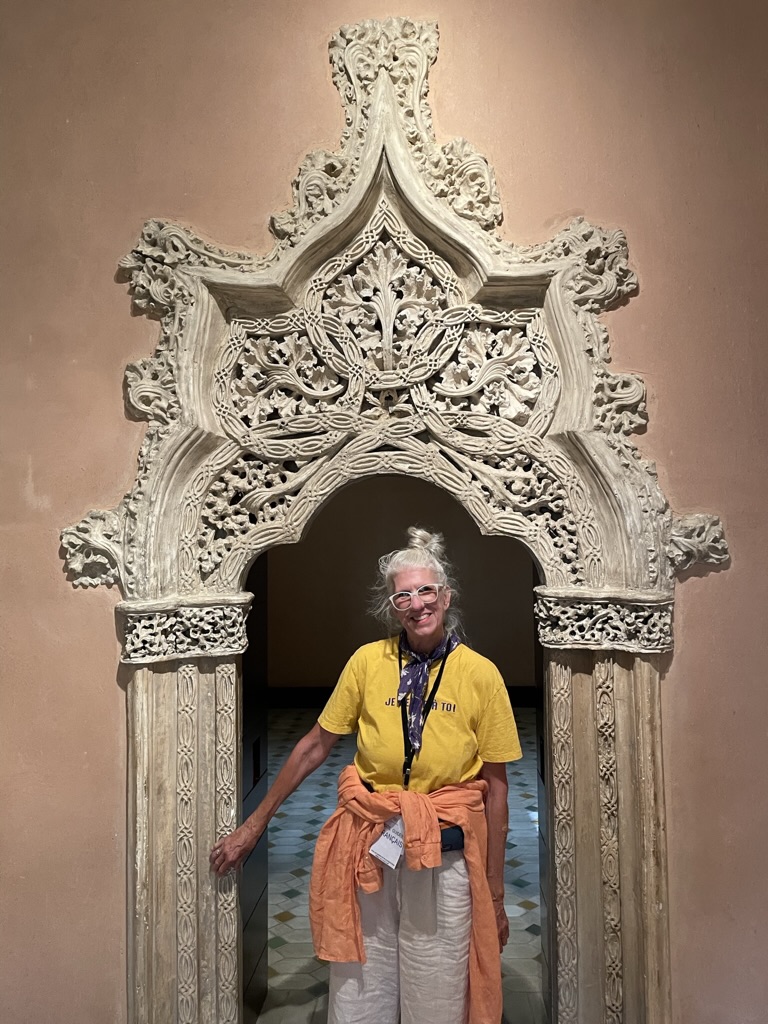
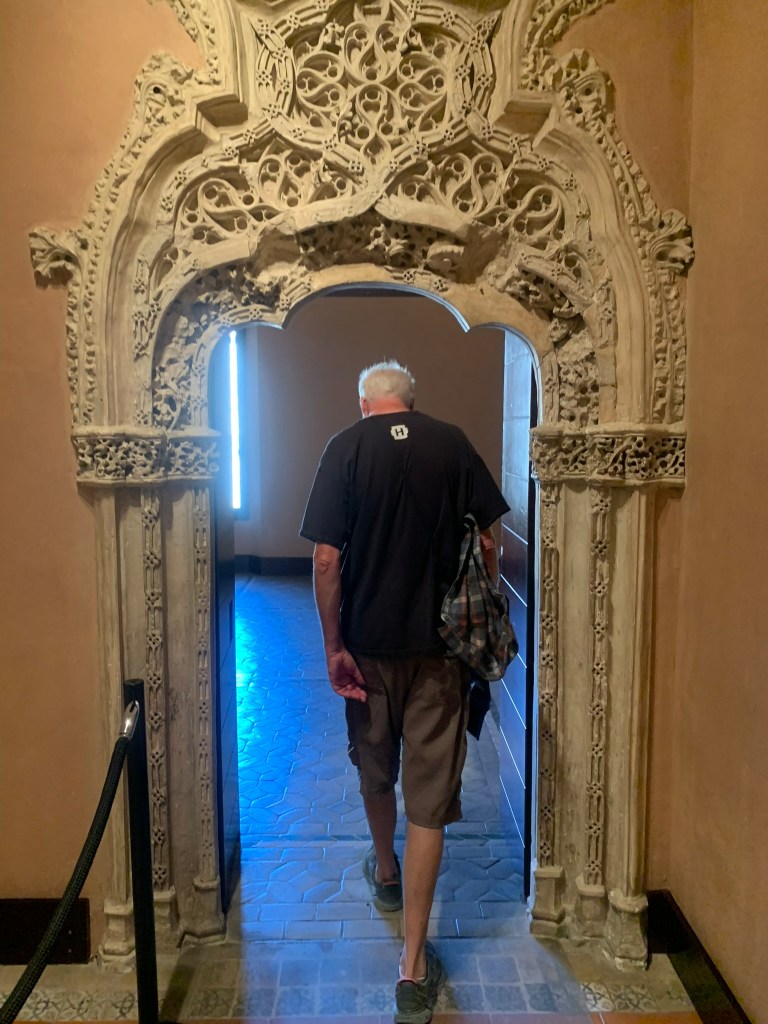
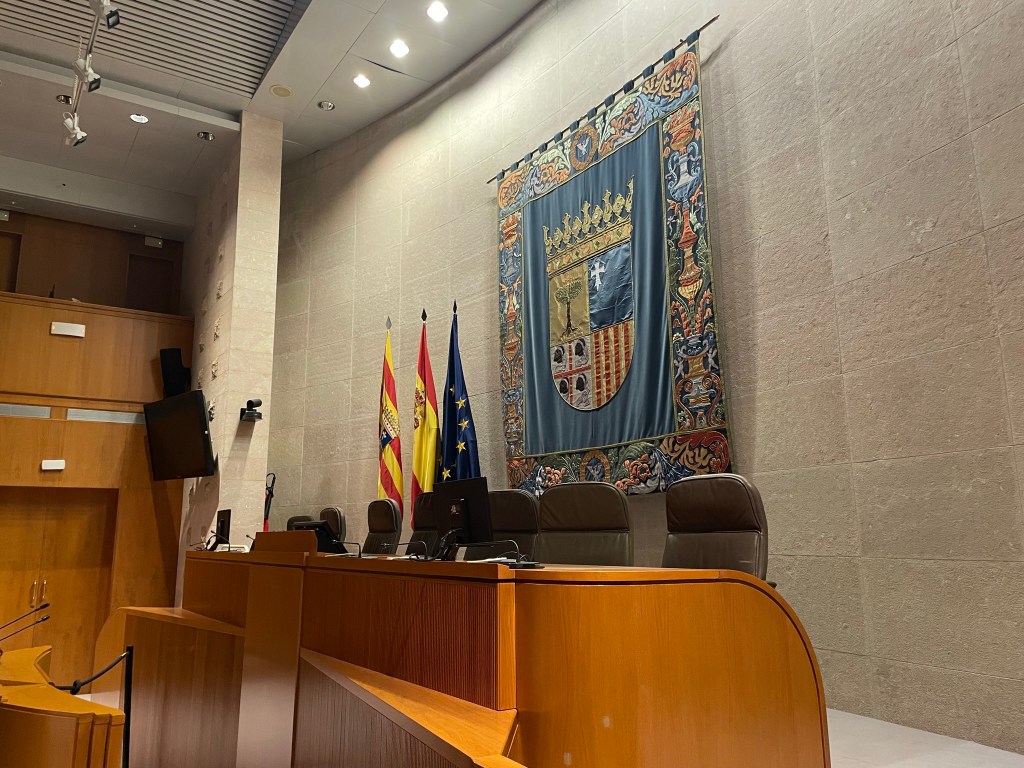
I jumped on the internet and, although we would have to wait a few days, was able to find Denise an affordable flight from Madrid to Los Angeles. Meanwhile, although we were anxious about our son, we decided to try to make the best of the city in the days before we headed to Barajas for her flight — we knew we couldn’t just sit in the apartment and worry. We visited the magnificent Basílica de Nuestra Señora del Pilar with its frescoes by Goya and a whimsical installation of rhinoceros statues just outside the doors of the Cathedral. We toured the newly restored 11th-century Aljaferia Palace, dating from the time of Moorish rule over this part of Spain, and walked the banks of the Ebro River as it passes through town on its way to the Mediterranean. It’s a beautiful city, well-maintained, and filled with history. The city doesn’t skimp on public parks and the one closest to us, Parque del Tío Jorge, had just about everything you could ask for in a park, including a huge dog park and a nice café in the center of things. Europeans never miss a chance to plop down a café where it will do some good.


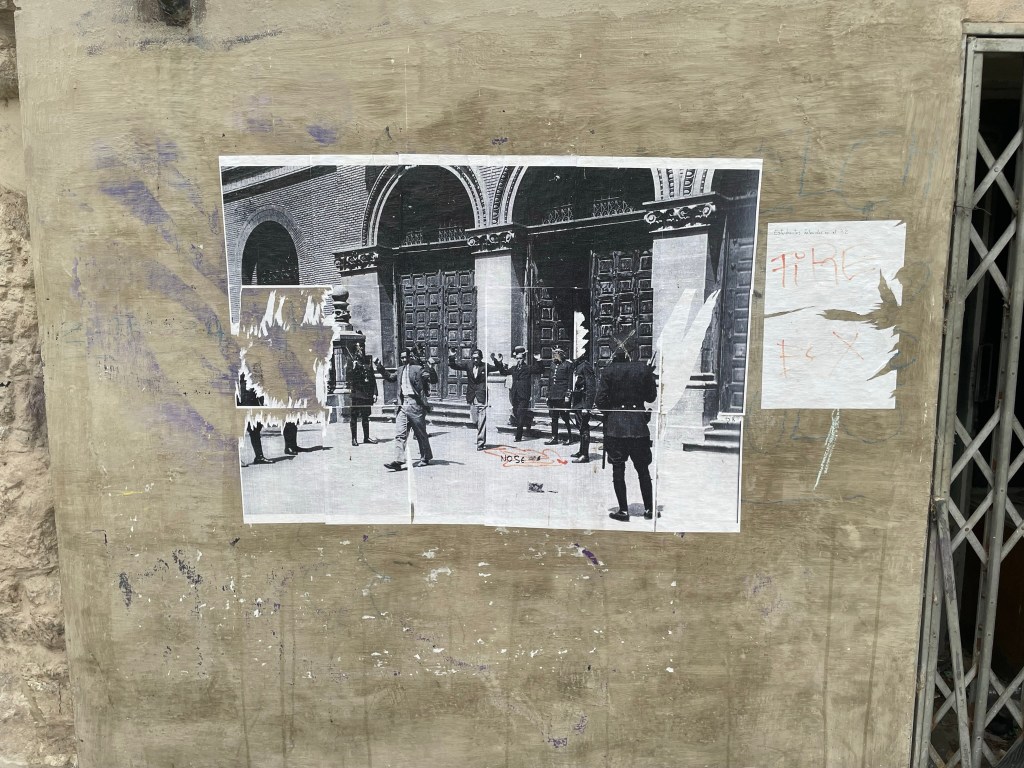






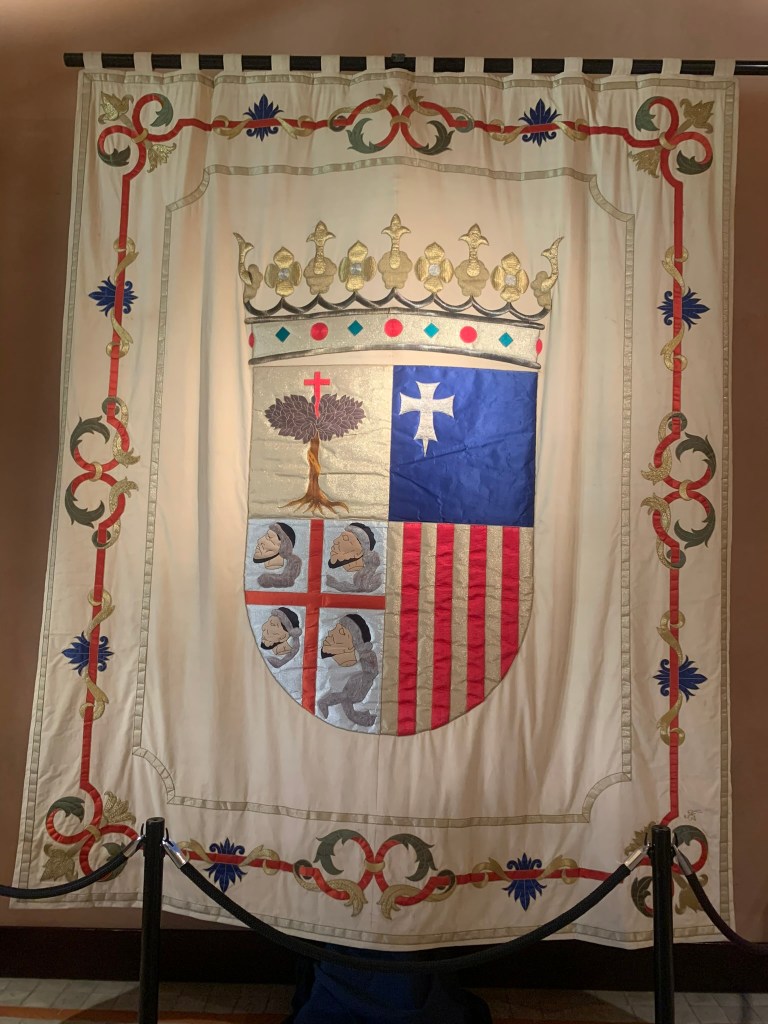
Unfortunately, we had to cut short our time in Zaragoza and started on the three-hour drive to Madrid so that Denise could catch her flight. Again, it was a beautiful drive across the varied terrain of north central Spain and, unlike France and Italy, we didn’t have to pay a single toll despite traversing many newly built tunnels and bridges. We said our fretful goodbyes at the curb and I went back to our hotel with a giant lump in my throat. As Denise pointed out at before she left, we have been side-by-side for seven months and now she was heading home on an open-ended mission. Even worse, Coco had no idea what was going on: her top human — Denise is the alpha of the pack — was disappearing and, despite numerous efforts on my part to explain the situation, she would spend the next few days desperately seeking Denise. My heart broke for her and I tried to make it up to her with extra treats and belly rubs.
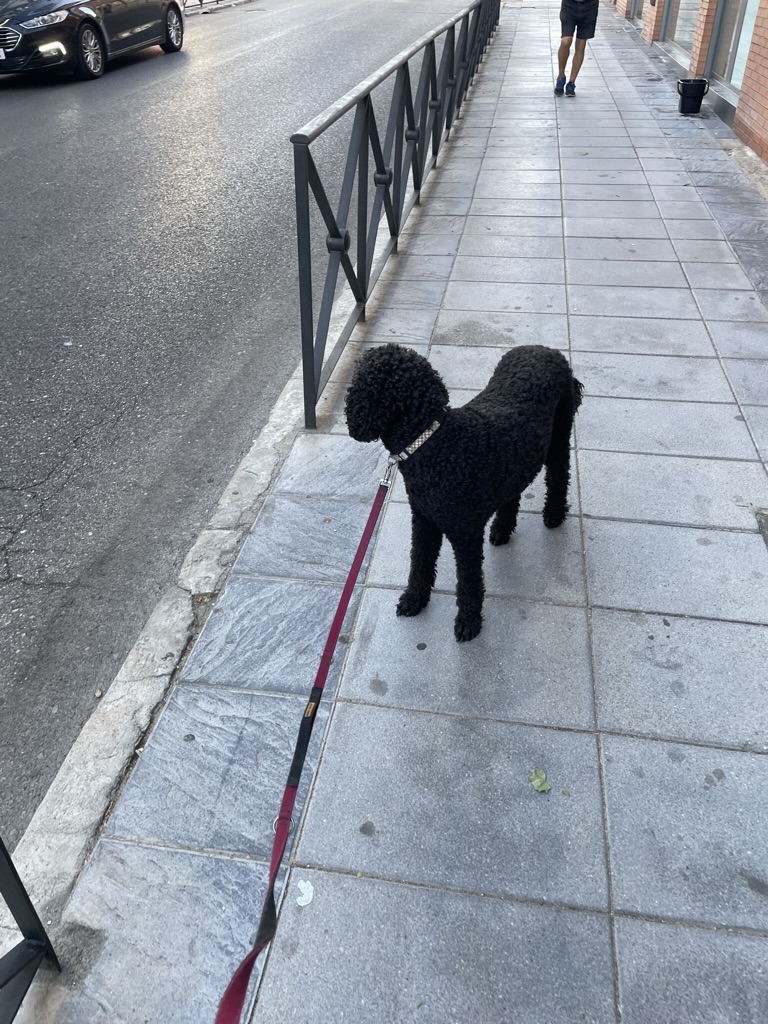
We had originally planned the next week to be a change of pace from our usual routine: we had even booked a nice hotel for two nights in Bilbao, celebrating our 26th anniversary and, after that, we were going to join our friends Eric and Coloma at their vacation condo in Noja, Spain for the weekend before checking out Oviedo for a couple of days. Now Denise was gone and Coco didn’t seem excited about the tickets I had bought for the Guggenheim. Oh well, there was nothing to do but point the car north and hope for the best.
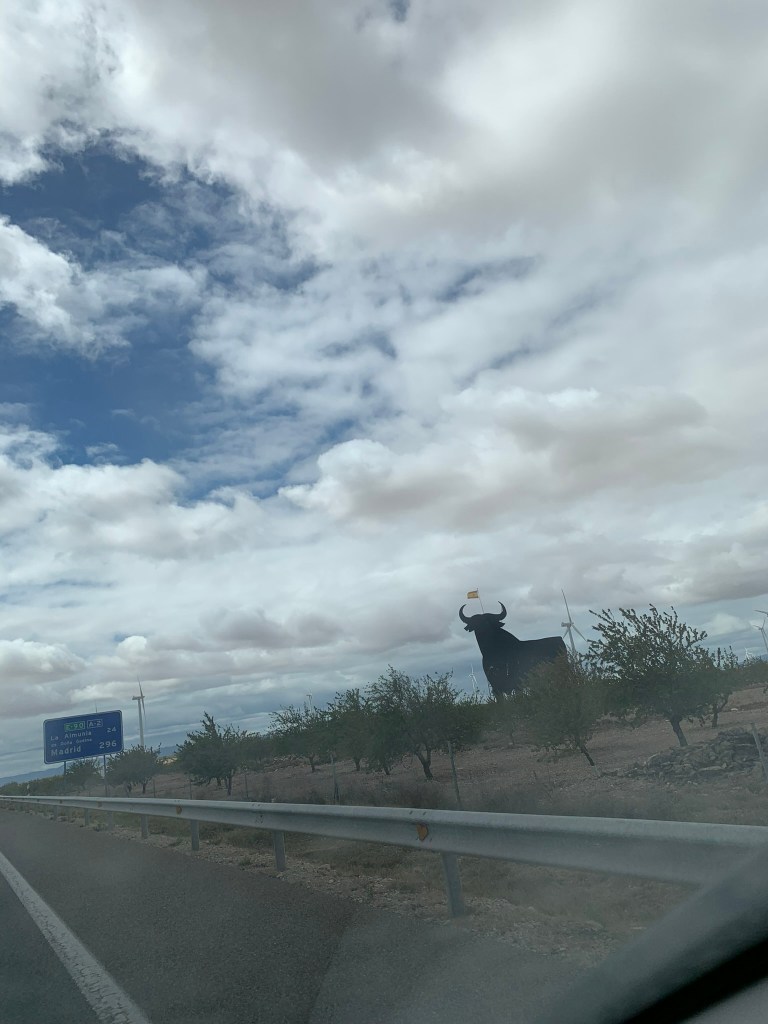
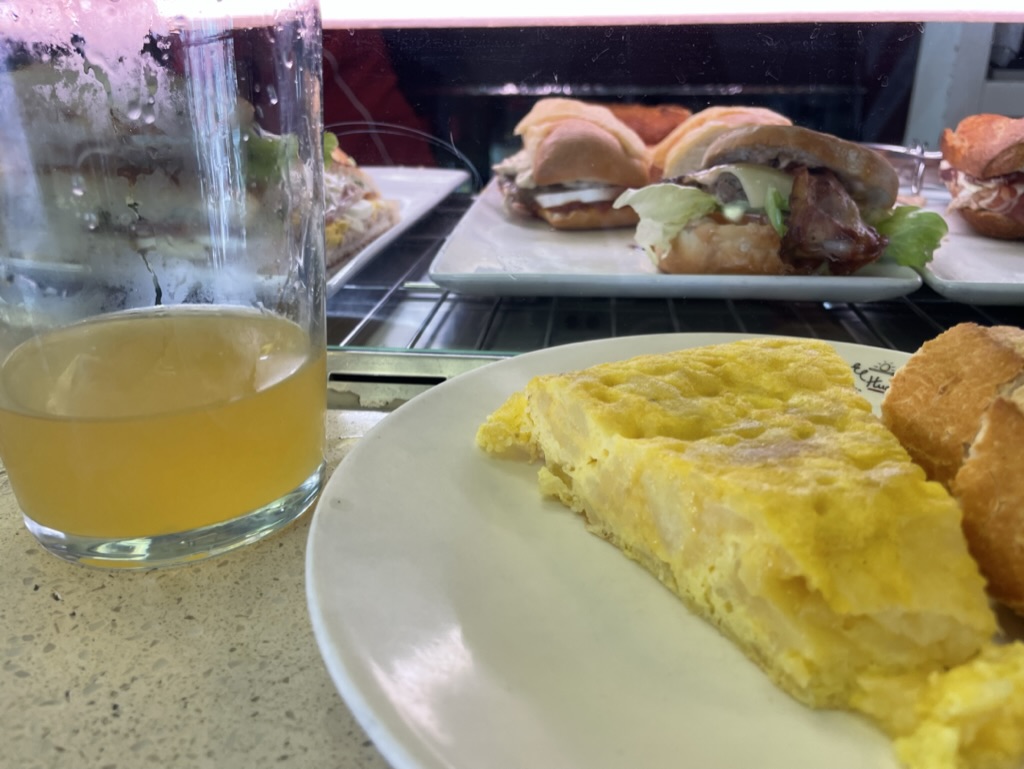
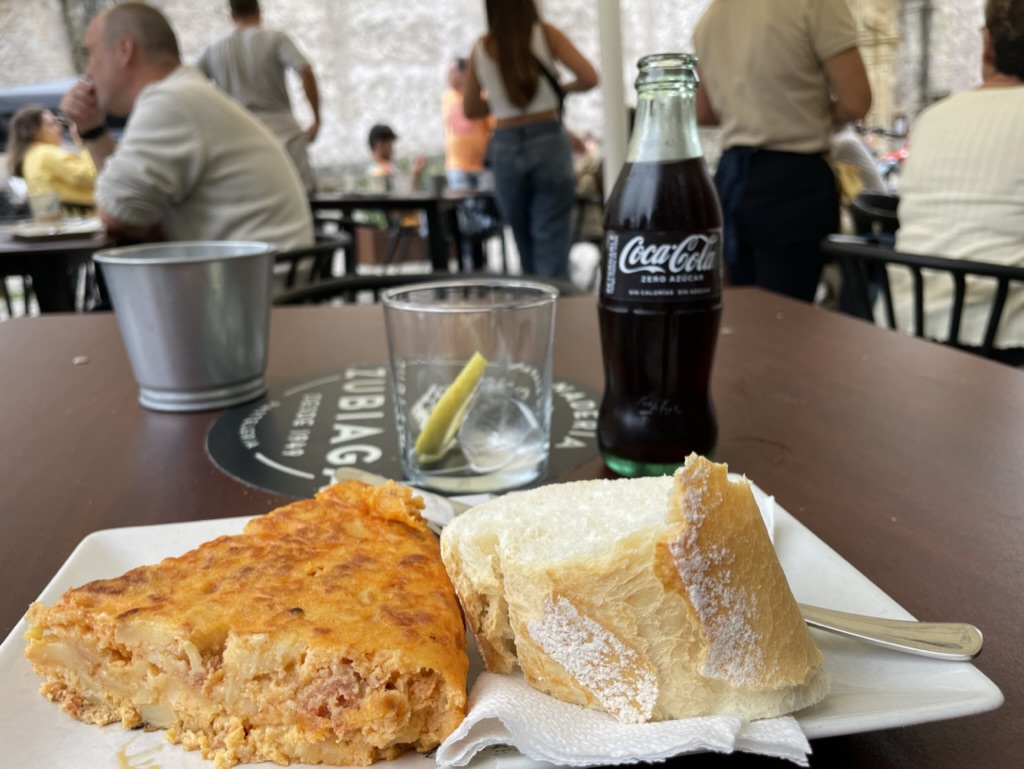
Leaving Madrid, I encountered my first toll plaza since entering Spain. I was relieved to learn that the electronic toll device we acquired in France worked as planned in Spain: it’s a great feeling of power to have the gate automatically lift up for you, especially after the payment headaches we experienced early in the trip before we got the transponder. Meanwhile, the road to Bilbao was another show-stopper: after you leave Madrid metro, the countryside opens in front of you and there’s farmland as far as the eye can see. In my limited experience, Spain outside of the cities is very sparsely populated: it’s a huge country but so much of it is open land. I stopped in Burgos to give Coco a walk and found a café serving the traditional Spanish tortilla, which would become my lunchtime staple for the week.
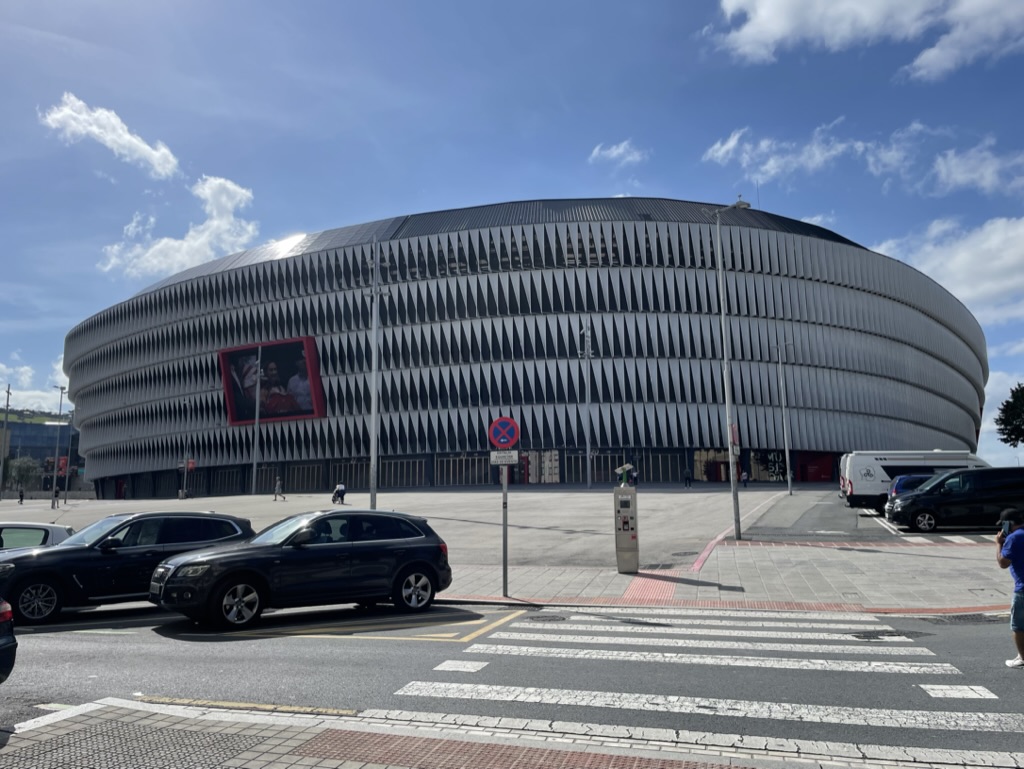
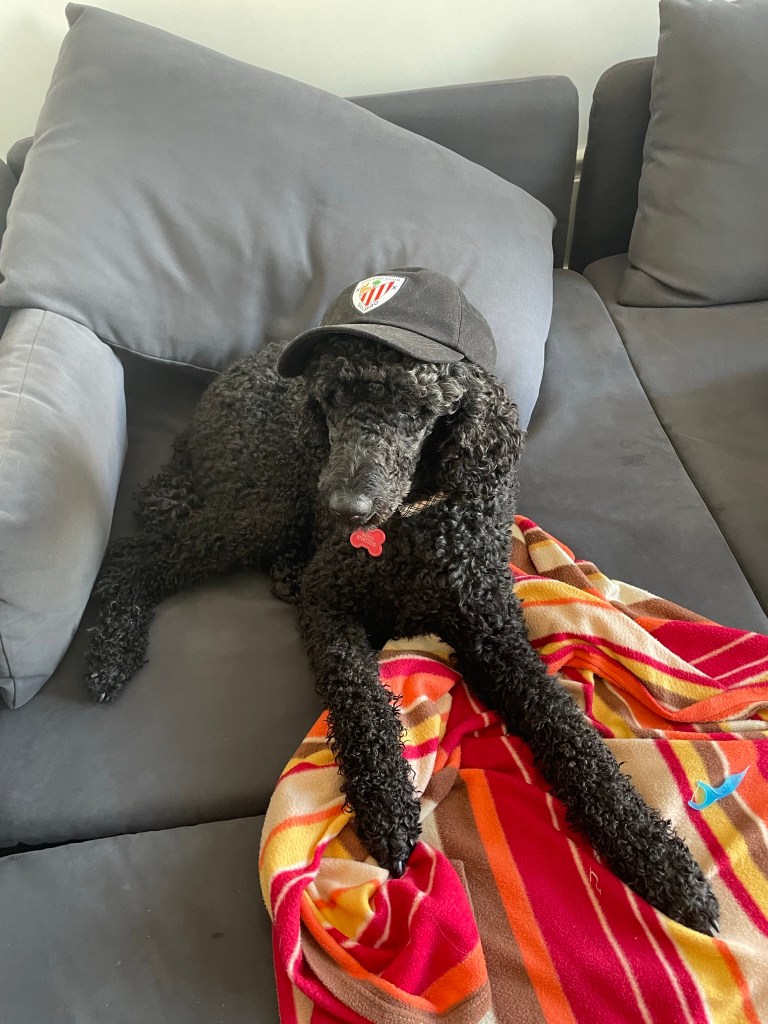
Once you get north of Burgos, the land starts to change pretty dramatically: it goes from relatively flat and arid to very hilly and Oregon-style green, and you can’t believe you’re still in Spain. I’ve never driven into Bilbao and, between the hills surrounding the city and the curving Nervion River, it’s a pretty spectacular entrance. My hotel is right across the street from San Mamés, the Bilbao soccer stadium, affectionately known as “The Cathedral,” which is fitting since it is named after an early Christian martyr. No matches are scheduled during my stay, which doesn’t stop a large crowd of tourists from taking pictures or joining the hourly tours. I even joined the throngs and visited the gift shop to replace my lost Tour de France hat.
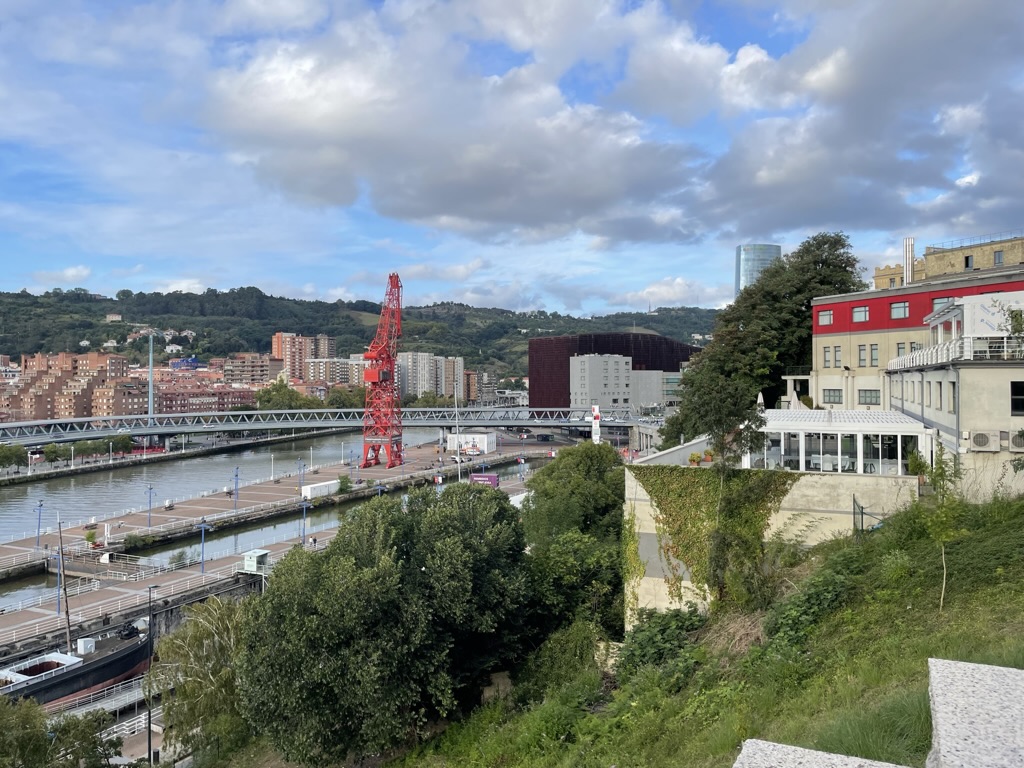
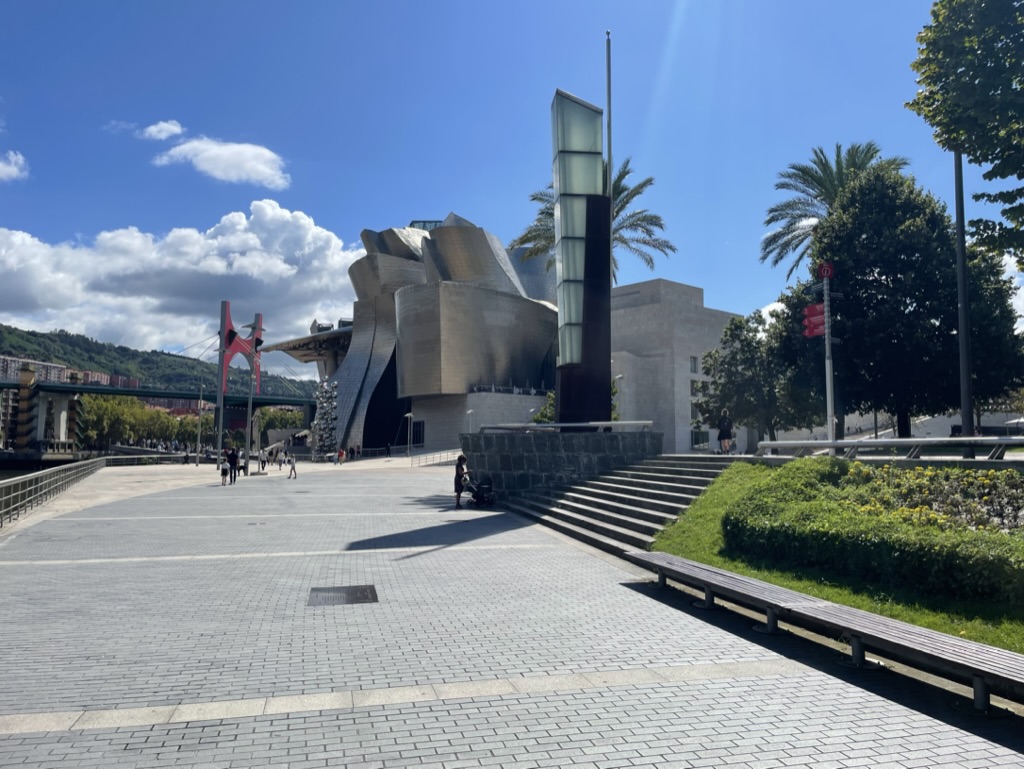
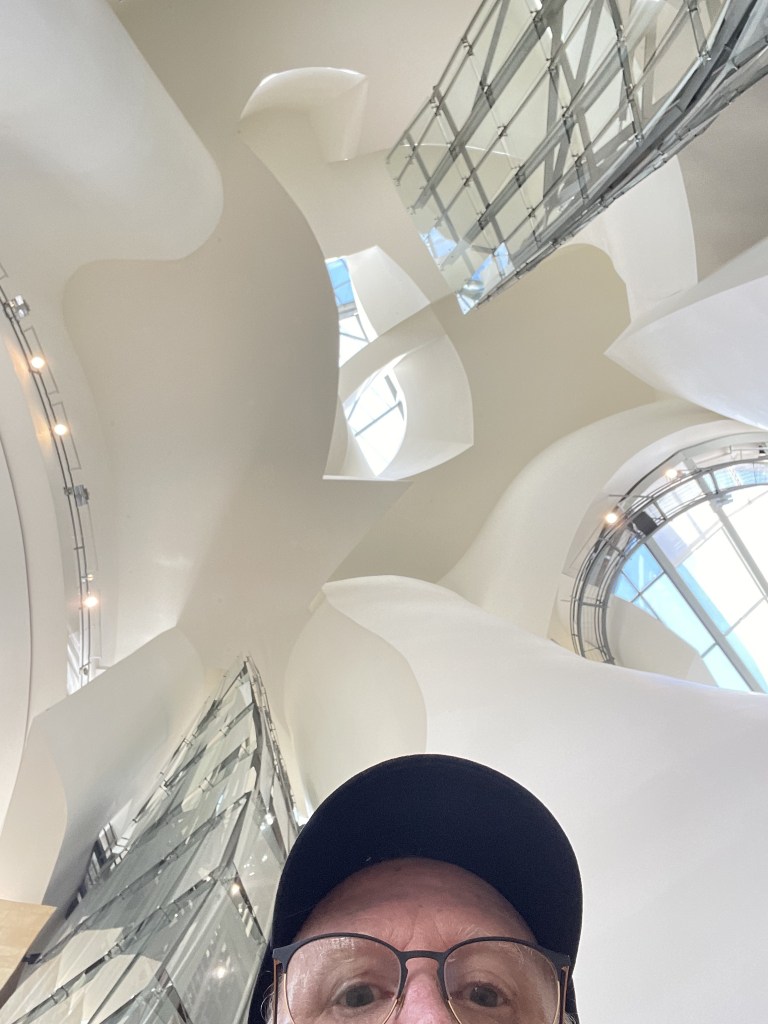
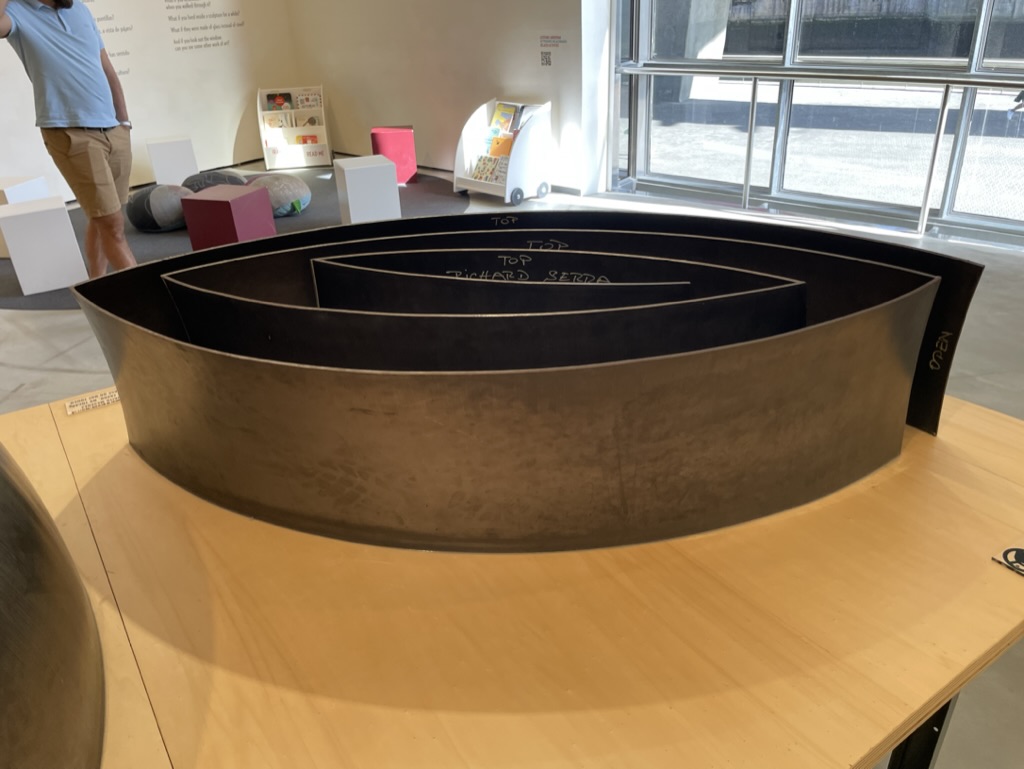
Bilbao is a great food city and I had pintxos at El Globo along with a nice glass of Rioja, the “Napa Cabernet” of Spain, and walked around downtown, amazed by how many bars, cafés, and restaurants they had managed to squeeze into the district. It was a beautiful night and seemingly everyone was out enjoying a beverage. The next morning, I walked along the river to the Guggenheim Museum where I had reserved two tickets for Denise and me. You might think that the oft-imitated Frank Gehry design, built in 1997, would be showing signs of being dated but I still find it fascinating: I’m not sure how it works but it does, and the interior is just as bewitching as the titanium exterior. The visiting exhibitions were interesting but the real star of the day for me is the Richard Serra installation. I could spend all day walking around and through his weathered steel sculptures. The modern art in their permanent collection is pretty impressive as well. If you haven’t been, I highly recommend it: even the usually annoying Jeff Koons scores with his giant Puppy, placed outside the museum café. It’s a fantastic city and I’d live there in a minute, although it’s probably too expensive for us. I had a good time but couldn’t help thinking how much better it would have been with Denise.

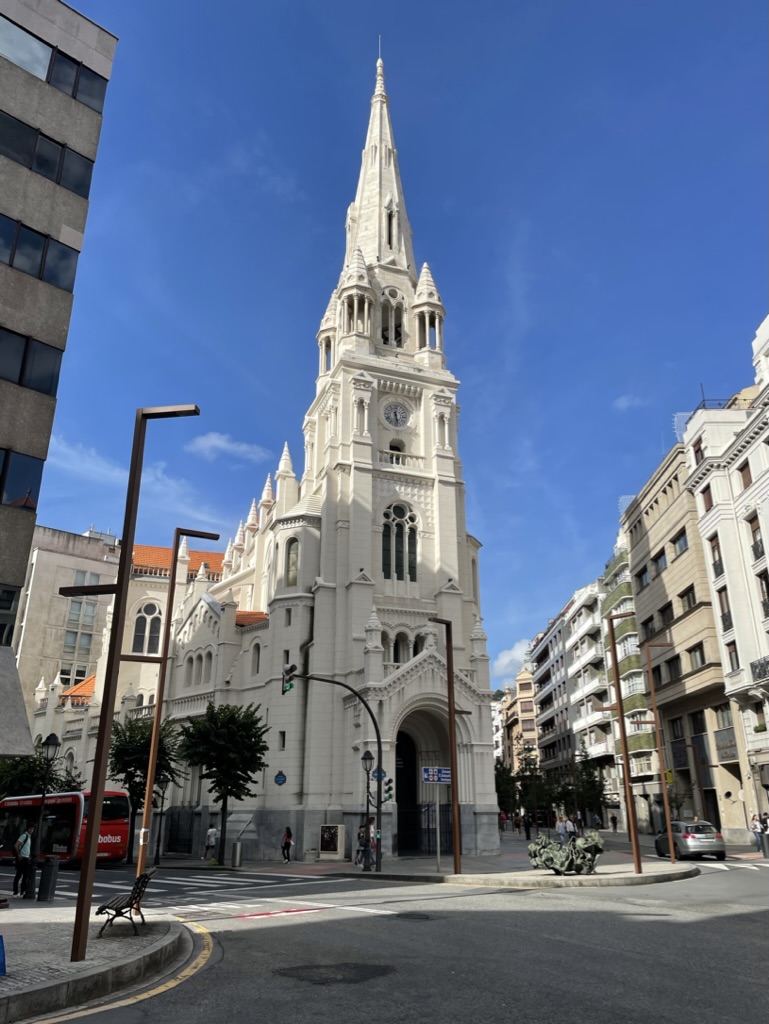
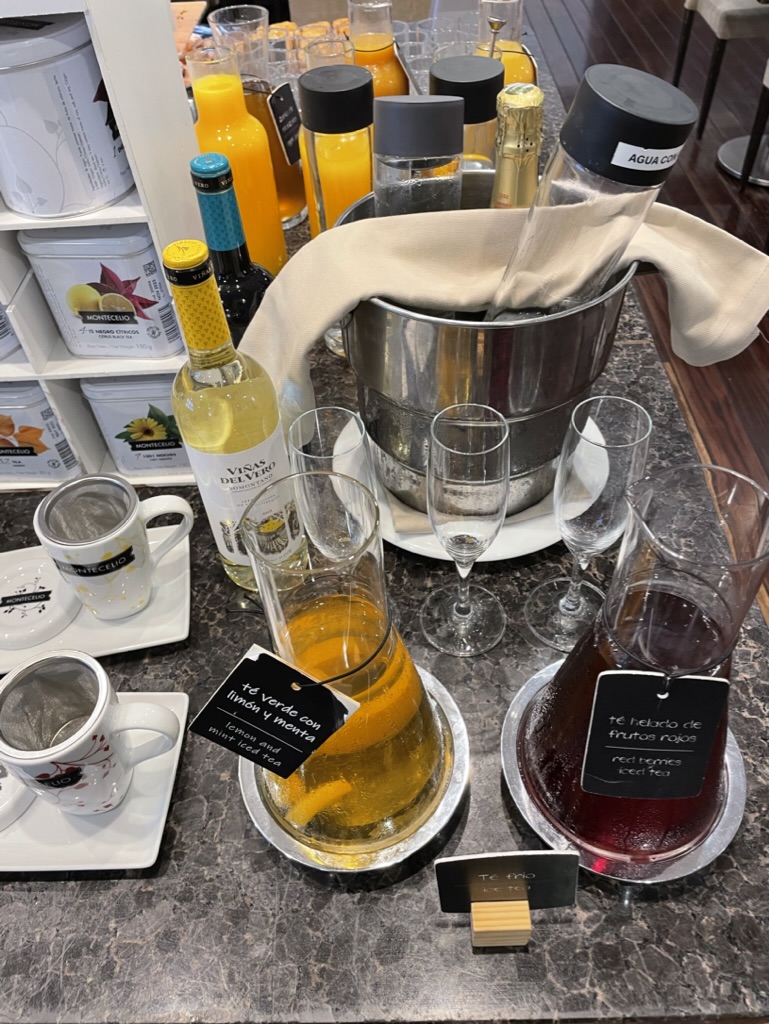

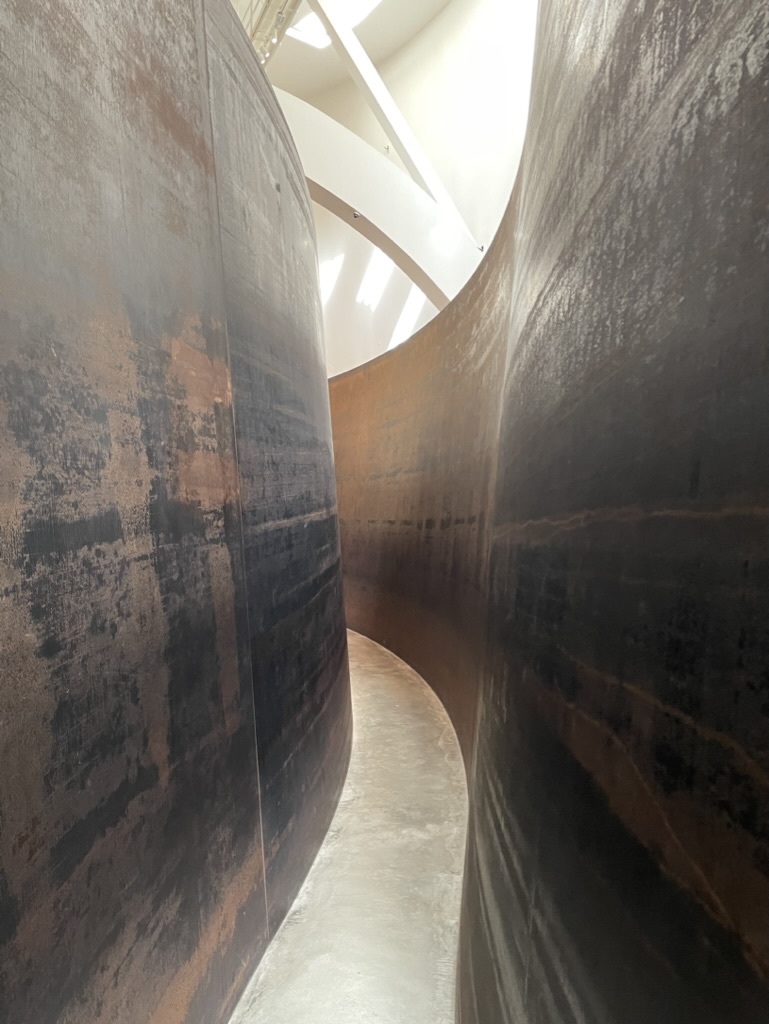
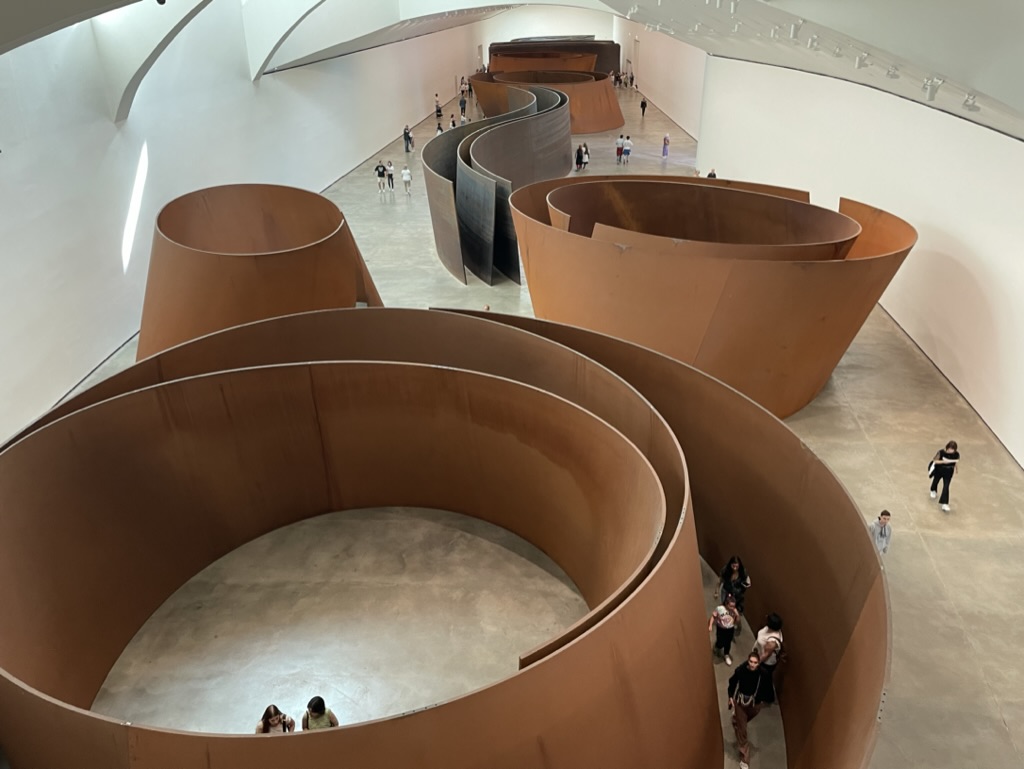
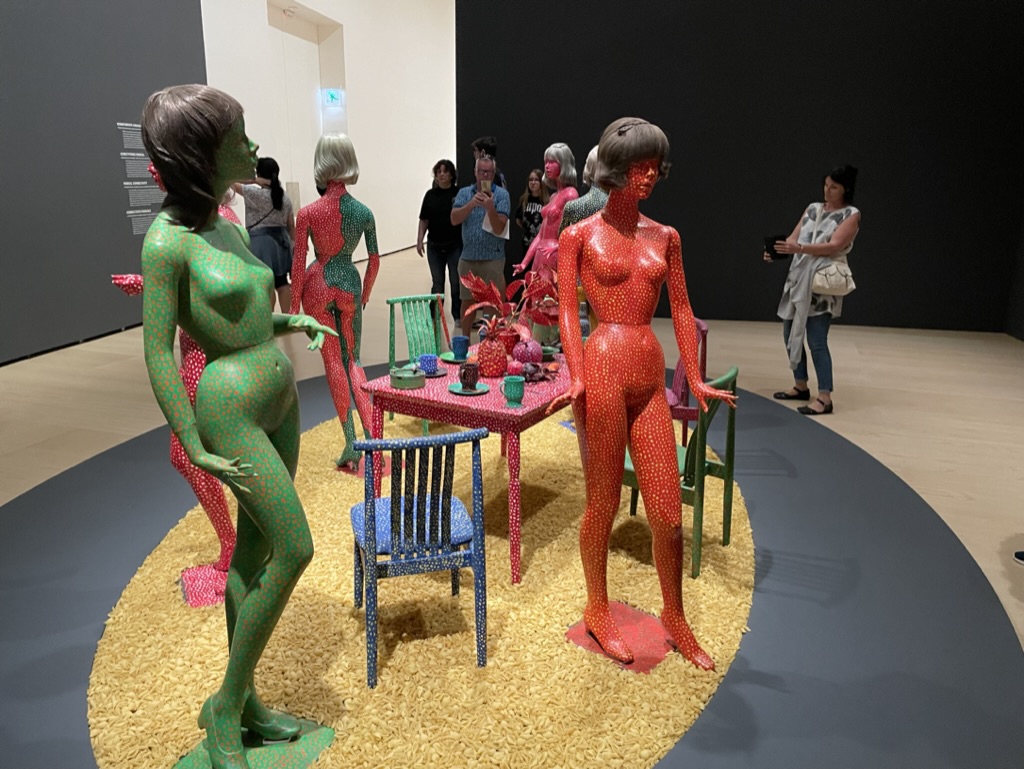
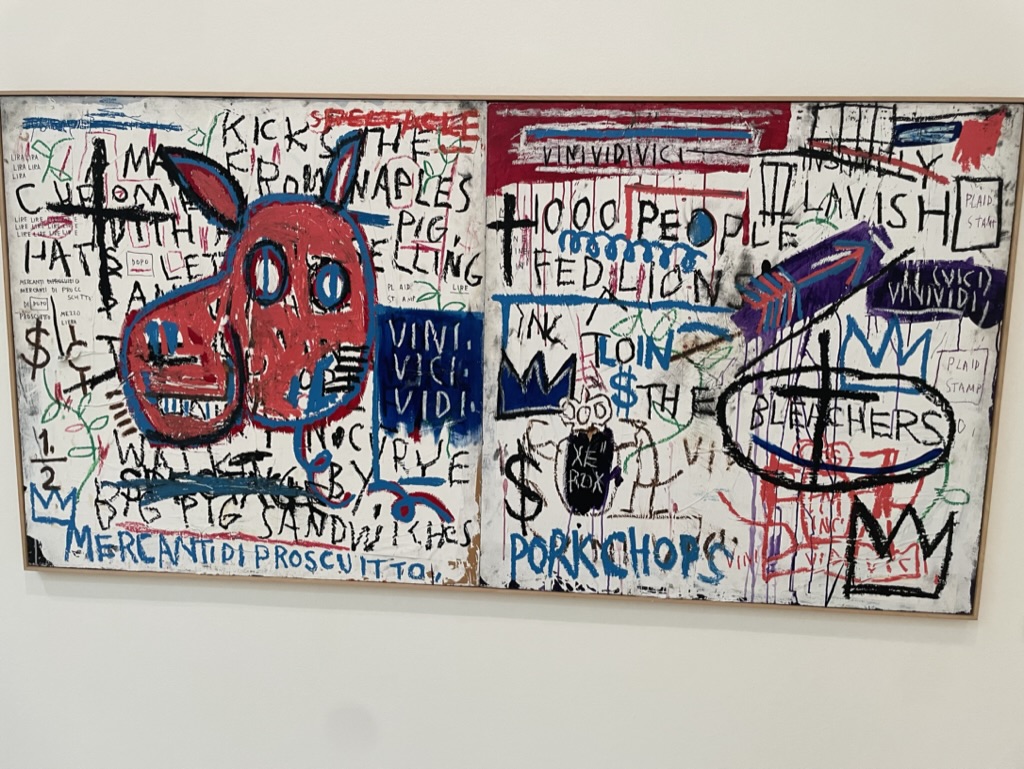

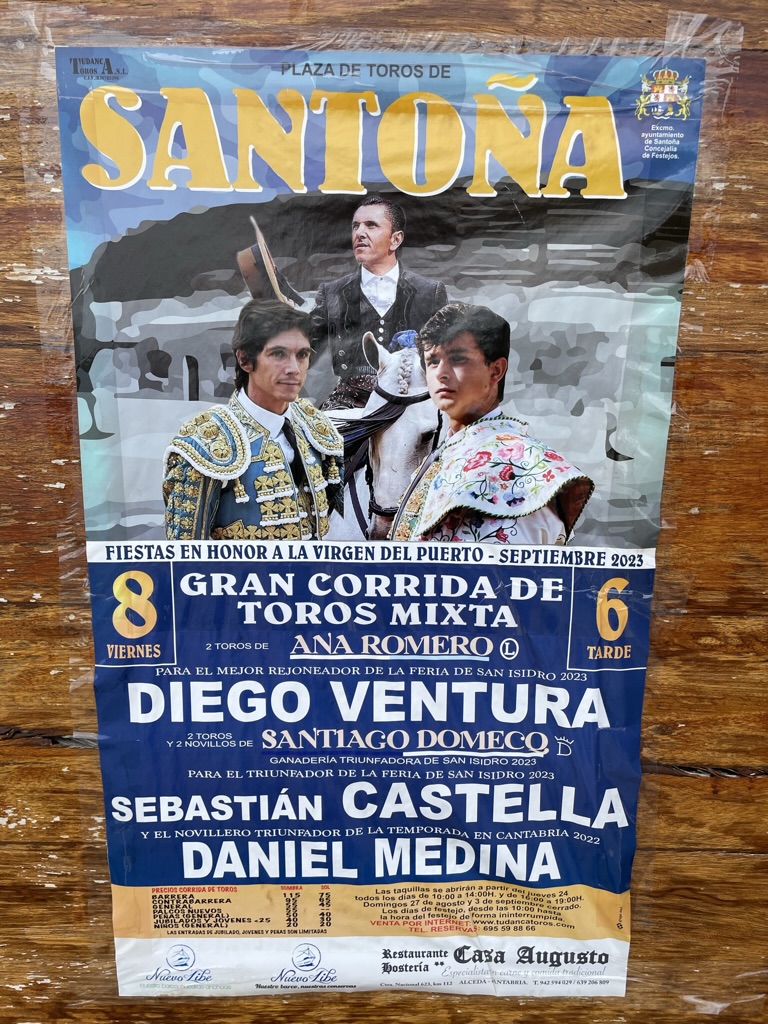
On Friday, I set out for Noja, the seaside town where I would meet and stay with our friends, Madrileños Eric and Coloma, at their summer place. Denise and I had visited them there in 2019 and had a great time at the beach and the local bars. I distinctly remember one delicious — and super cheap — lunch at a bar called SuEllens, so named because Dallas was hugely popular in Spain, but, sadly, that spot had closed, a victim of the pandemic. However, when we went back to that same town, Santoña, they were celebrating Day One (of nine) of the festival of the Virgen del Puerto (Virgin Mary of the Port), and everyone was crowded downtown, eating, drinking, and listening to live music. Although I was dearly missing Denise and I was preoccupied with our son, it was hard not to have a good time surrounded by so many happy people, many wearing the traditional festival scarf around their necks. Later that evening, we joined up with some of Eric and Coloma’s friends for drinks, which, in Spain, usually involves multiple bars. We started out at a grocery store where you were welcome to buy food and drinks and make your own picnic on their patio. After they kicked us out at closing time, we drove to a tiny bar in the next town that was located adjacent to a barn with cows. It was dark and crudely decorated, filled with locals, many of them very drunk. But, despite the rustic vibes, they had a kitchen that could really cook and Eric kept ordering the local specialties while Coloma bought samples of several Cantabrian liquors. We ended the night at a big outdoor bar overlooking the ocean that was cut short by a torrential rain storm that sent us all scattering for the cars.
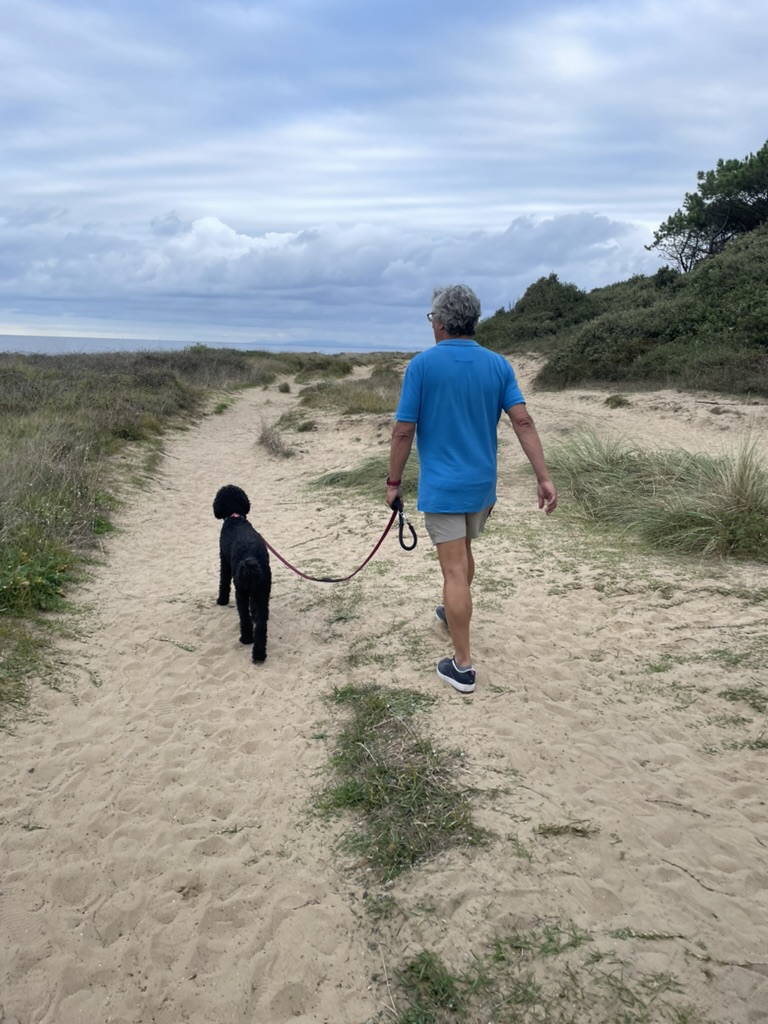
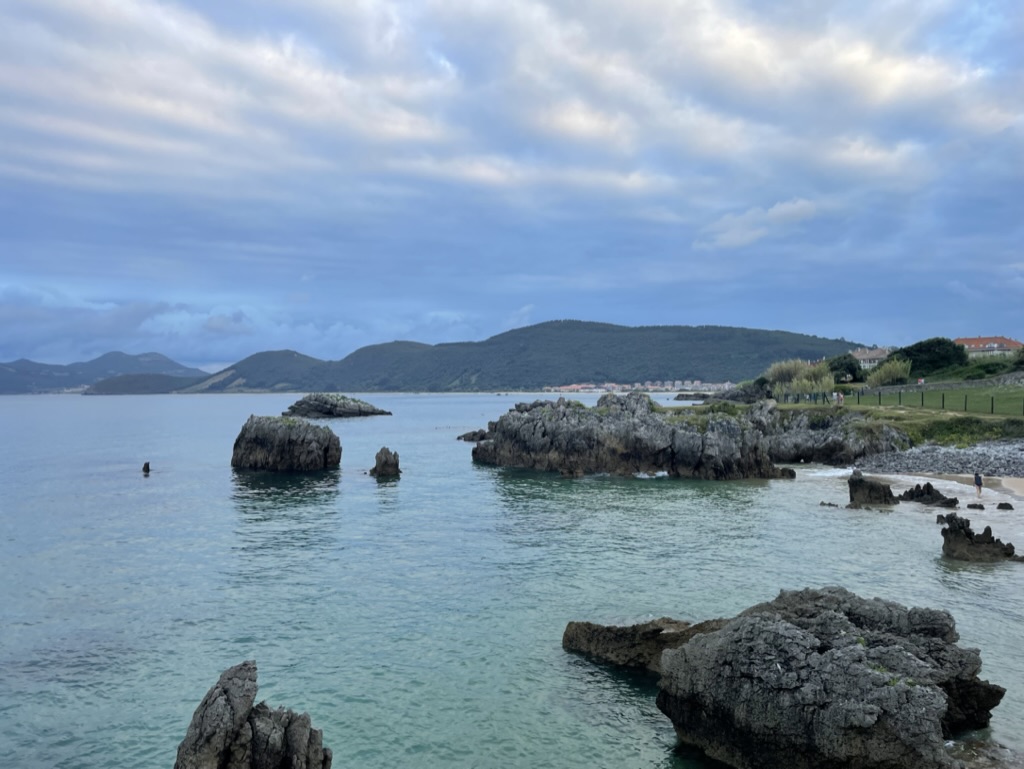
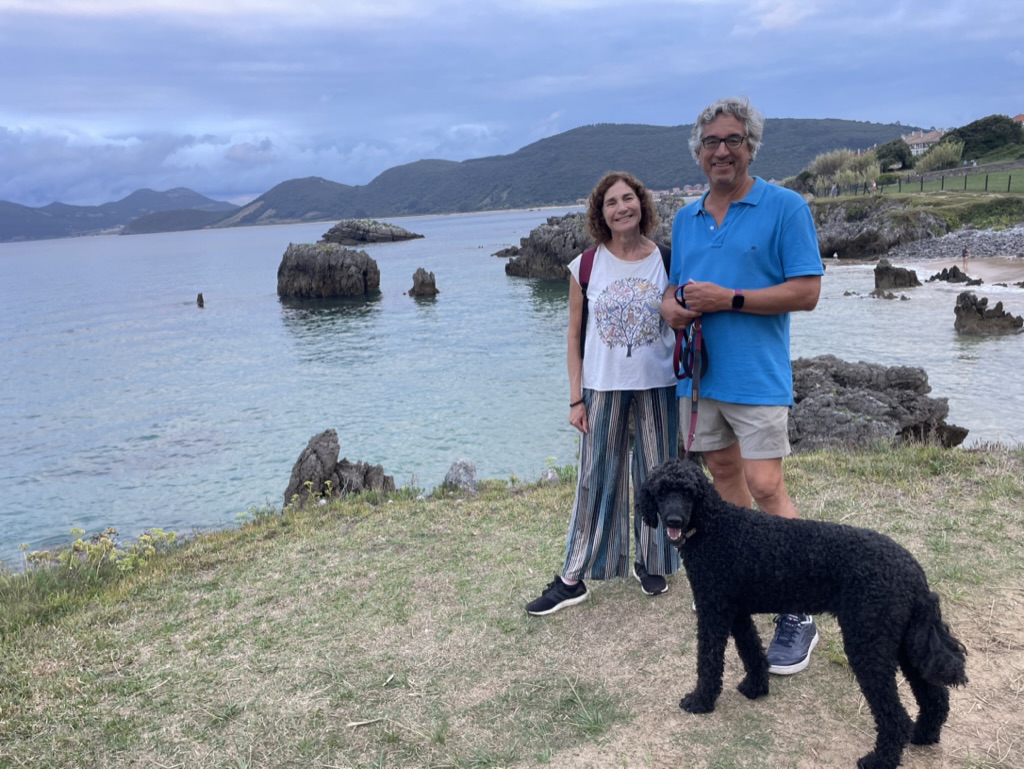
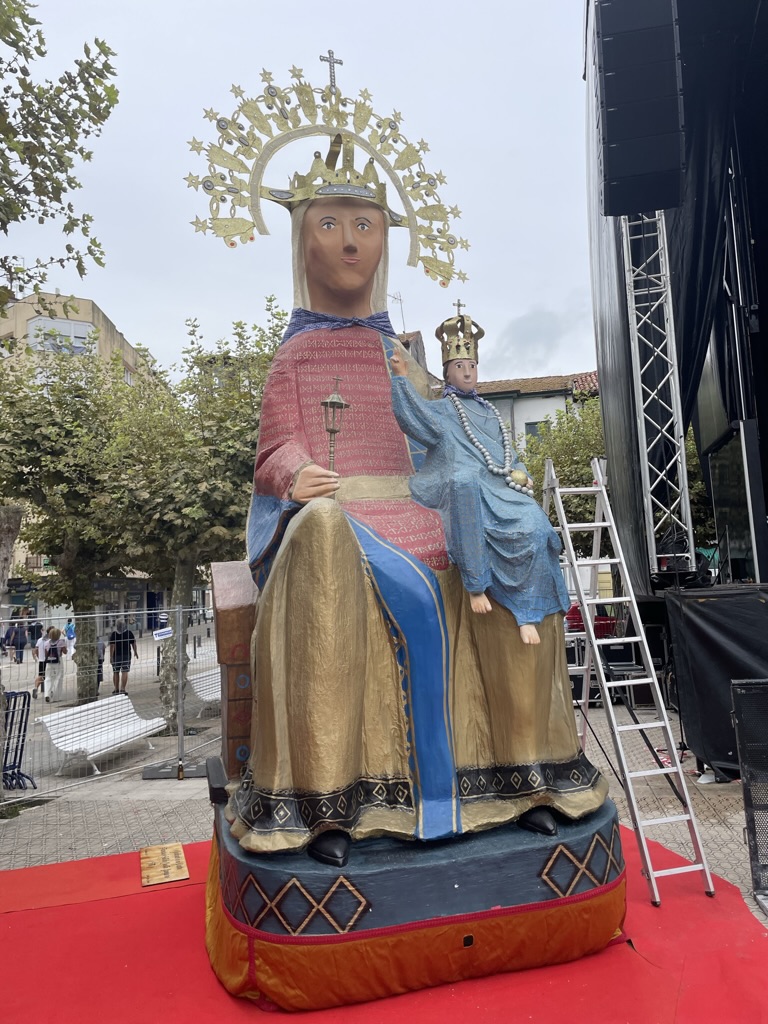
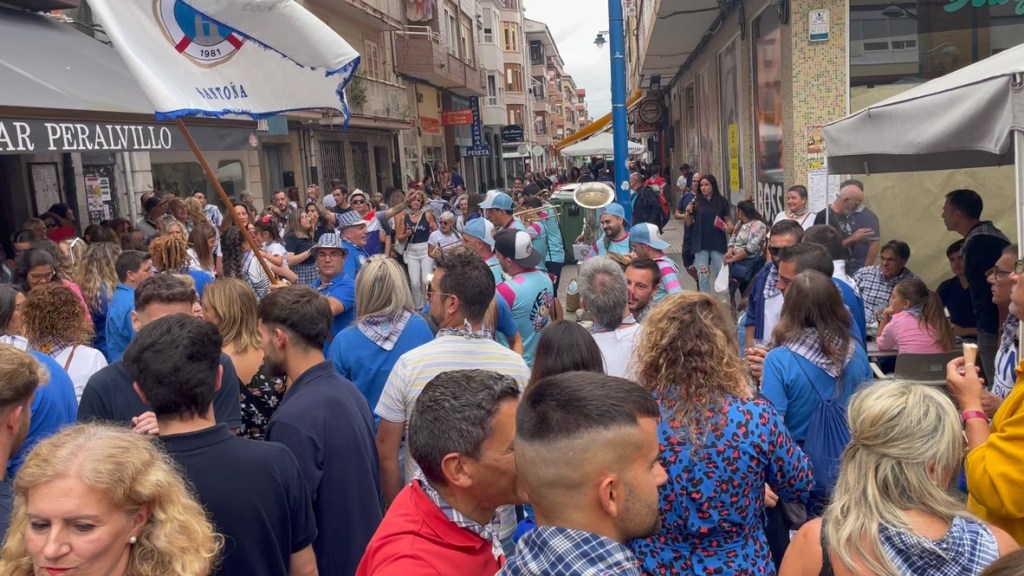
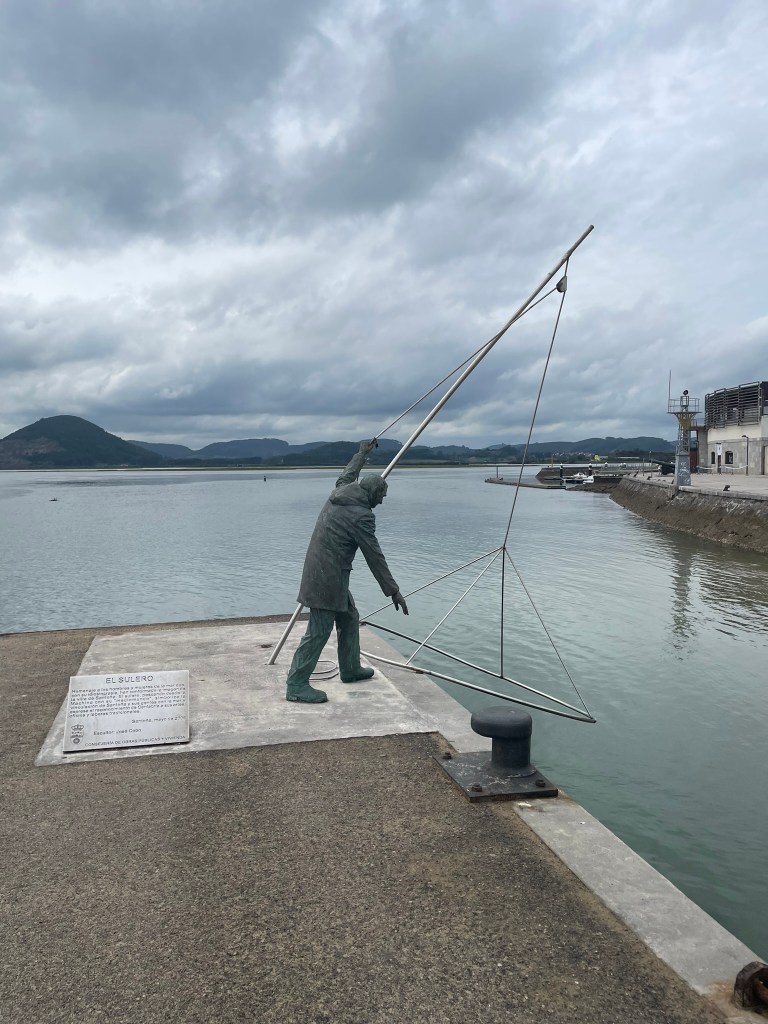
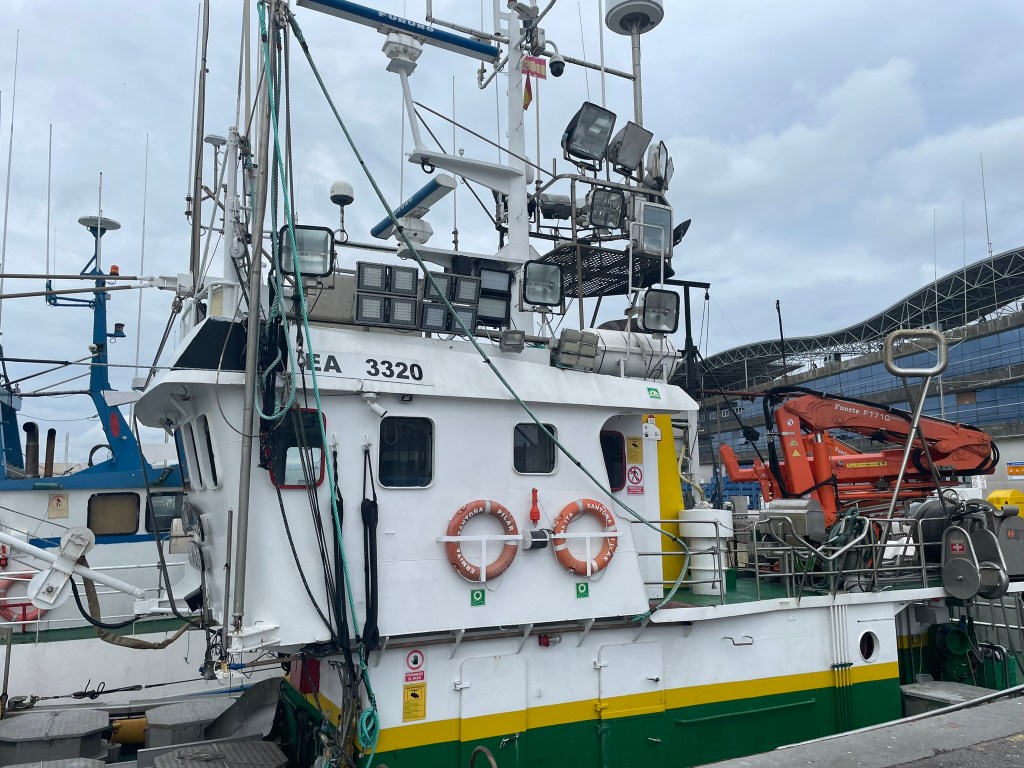
Very big boats and very small fish.

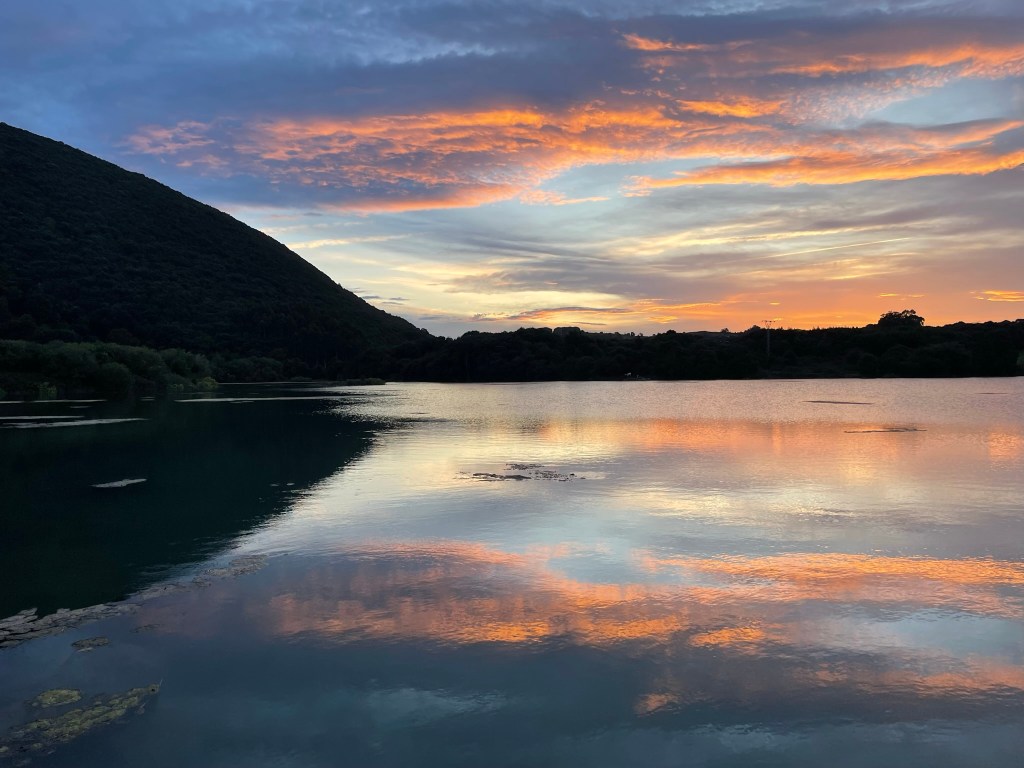

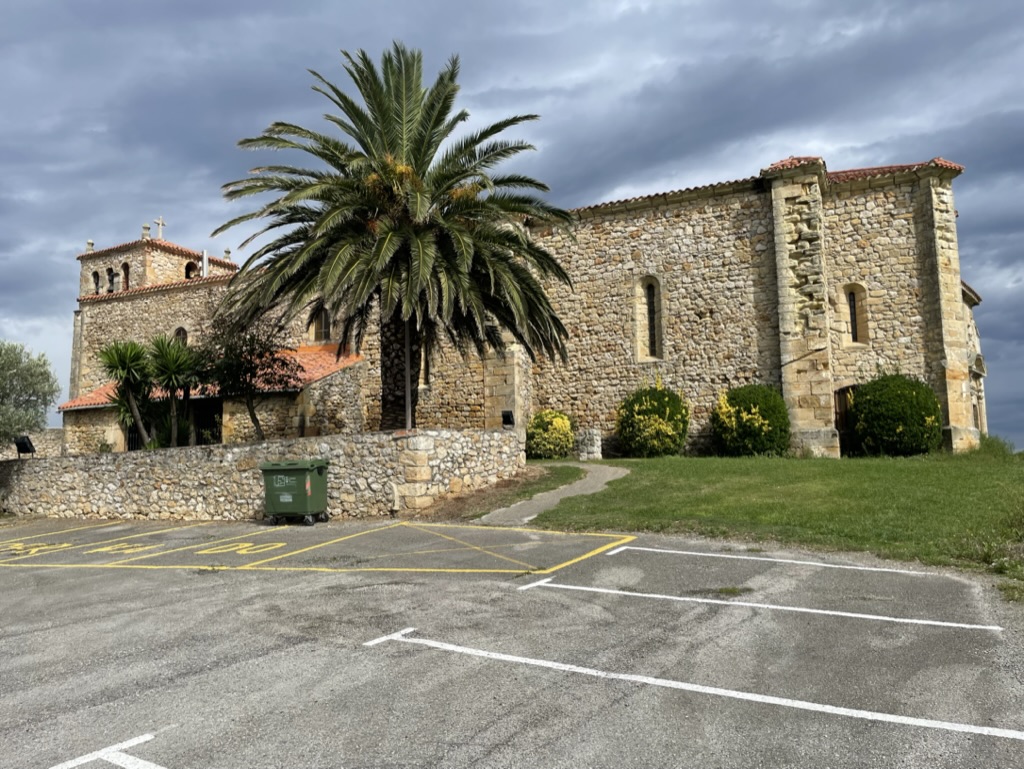
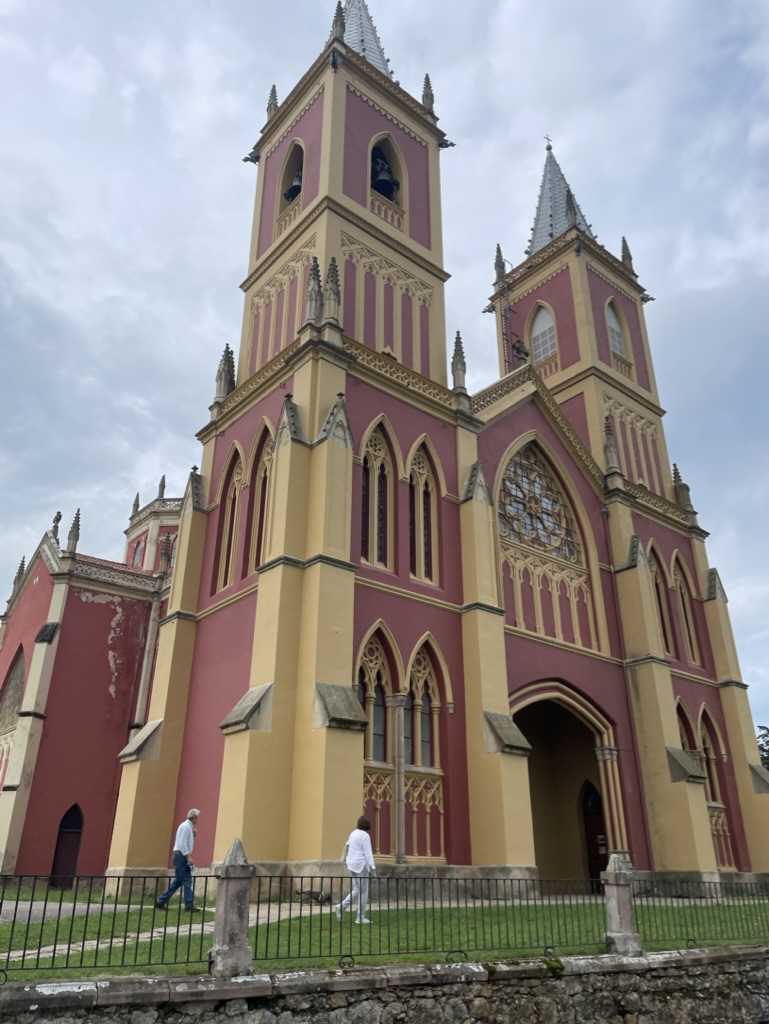
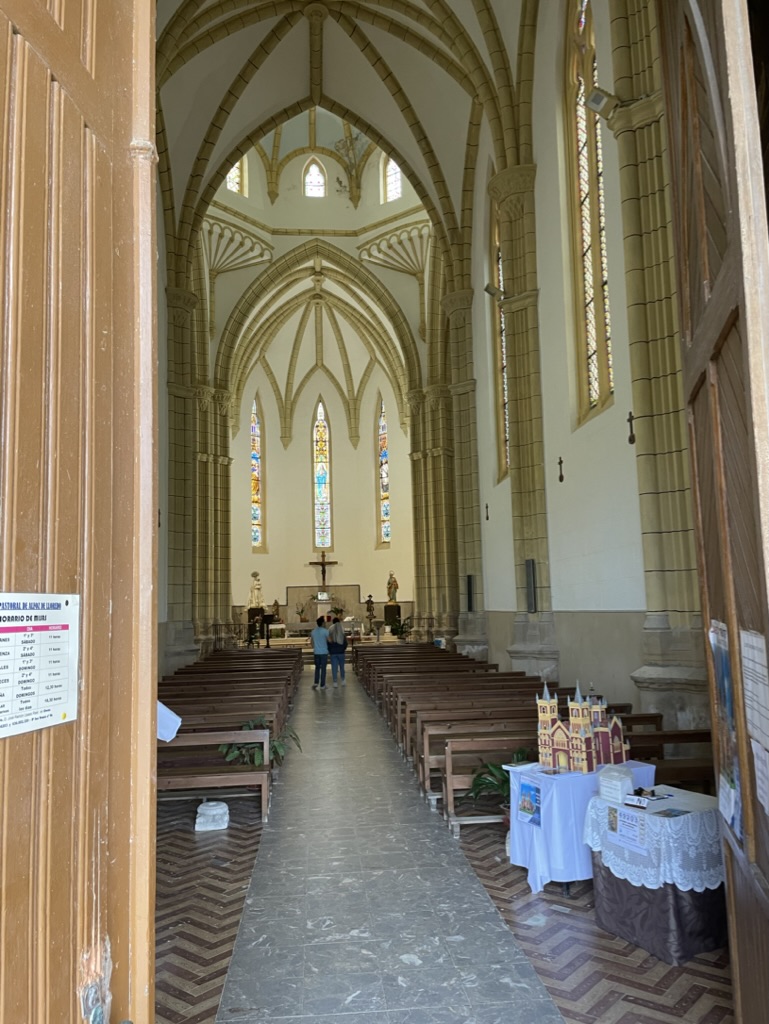
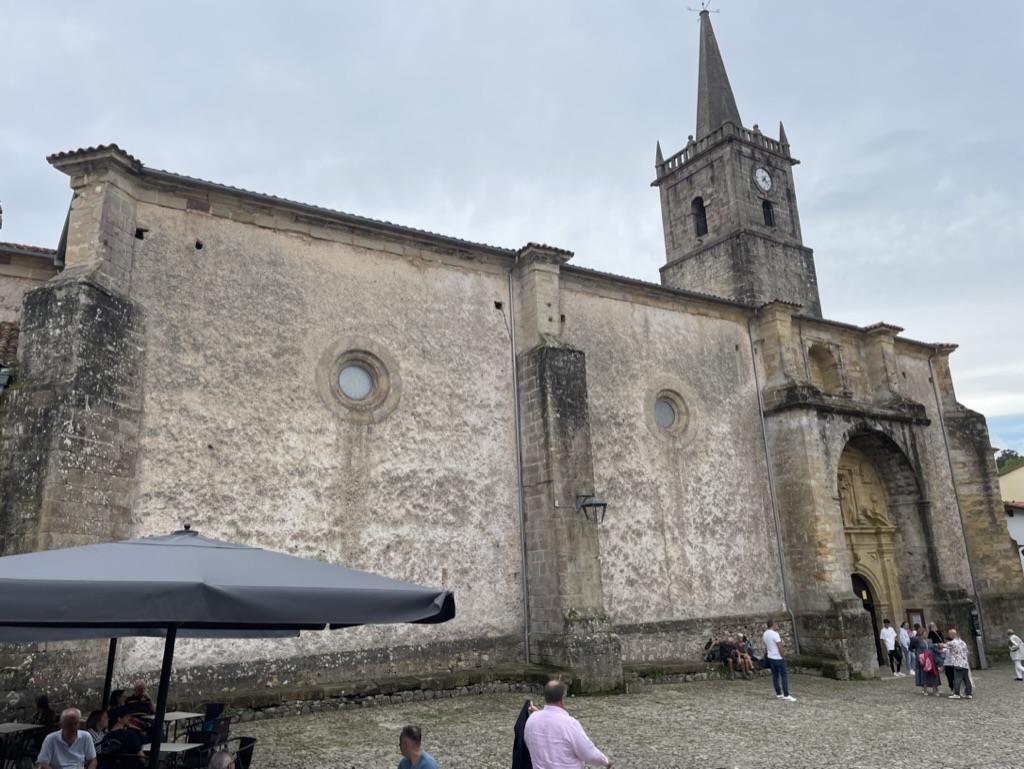
After another day of hiking, eating, and drinking, I said goodbye to our friends and headed west along an absolutely beautiful road that reminded me of being in west Ireland, stopping in Santander for a quick bite and a walk around the city. This was another place that Denise and I are considering living in and I was sorry she wasn’t there to see the charming downtown and waterfront. After that, I mostly stuck to the back roads, taking in charming small towns like Santillana del Mar, Cobreces, and Comillas that somehow all had gigantic, ornate churches despite their tiny populations.
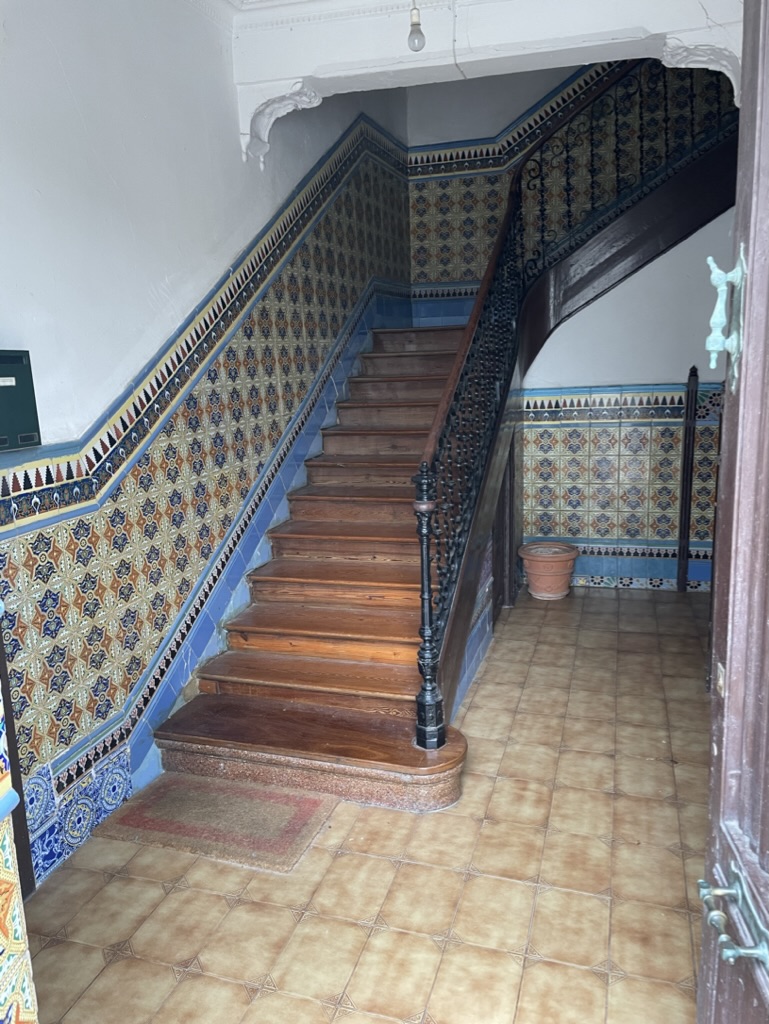
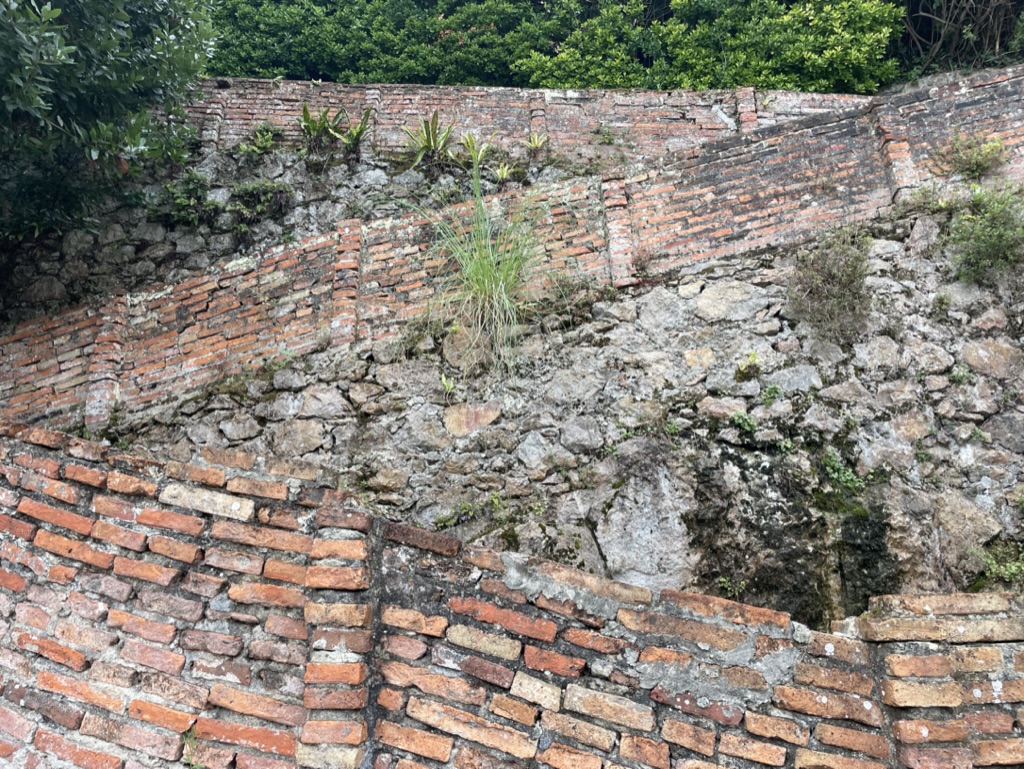
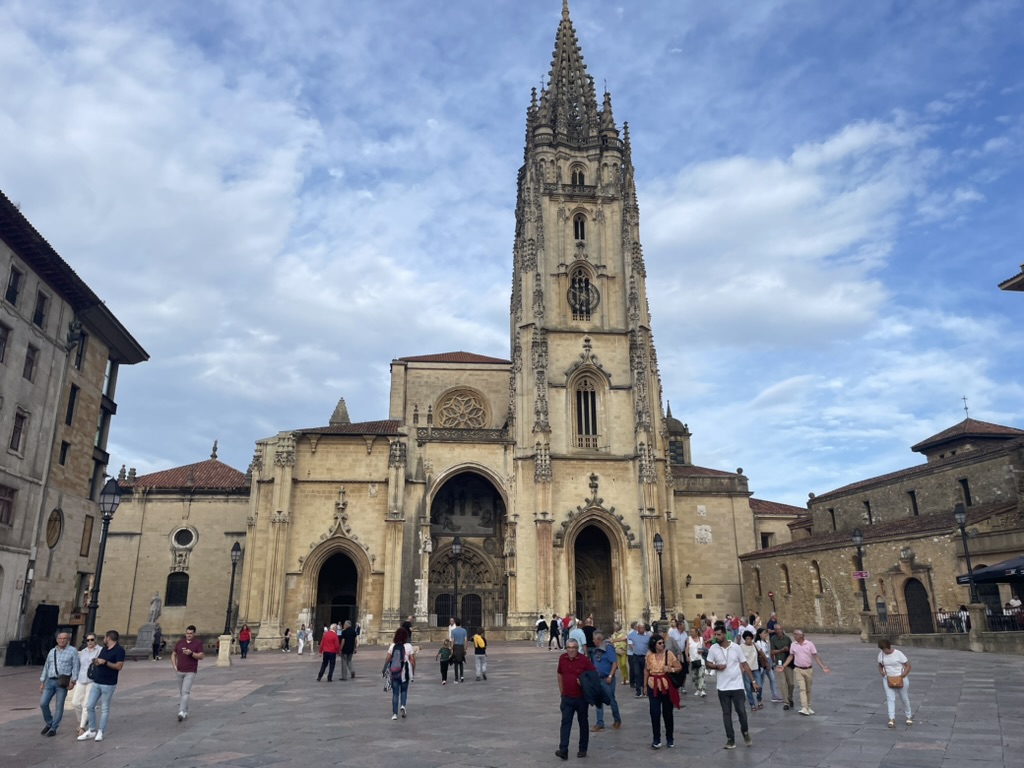
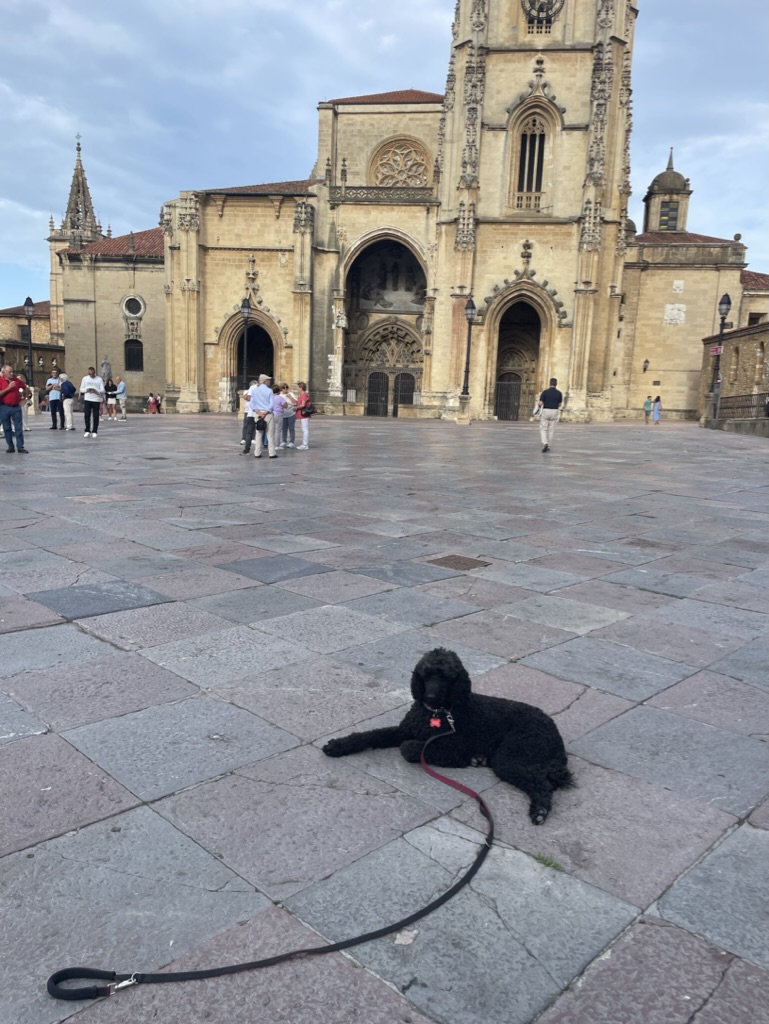
I eventually pulled into Oviedo and found my hotel by the main city park — always thinking of Coco’s needs — but the problem was there was no one home: the front door was locked and the office was empty. I eventually figured out that a small handwritten note on the door was telling me to call a phone number and, using my rapidly improving Spanish, I managed to tell the person on the other end of line that I was at their hotel door, ready to check in. After a few minutes, an older man shambled toward me on the sidewalk, signaling that he was the guy for whom I was waiting.
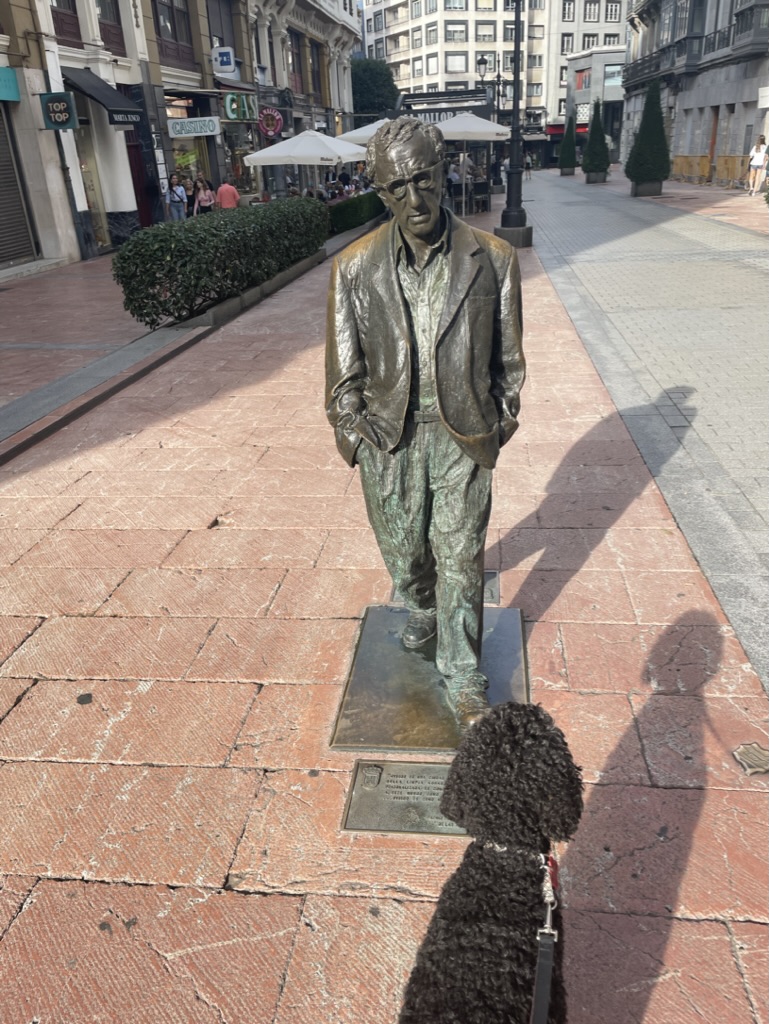
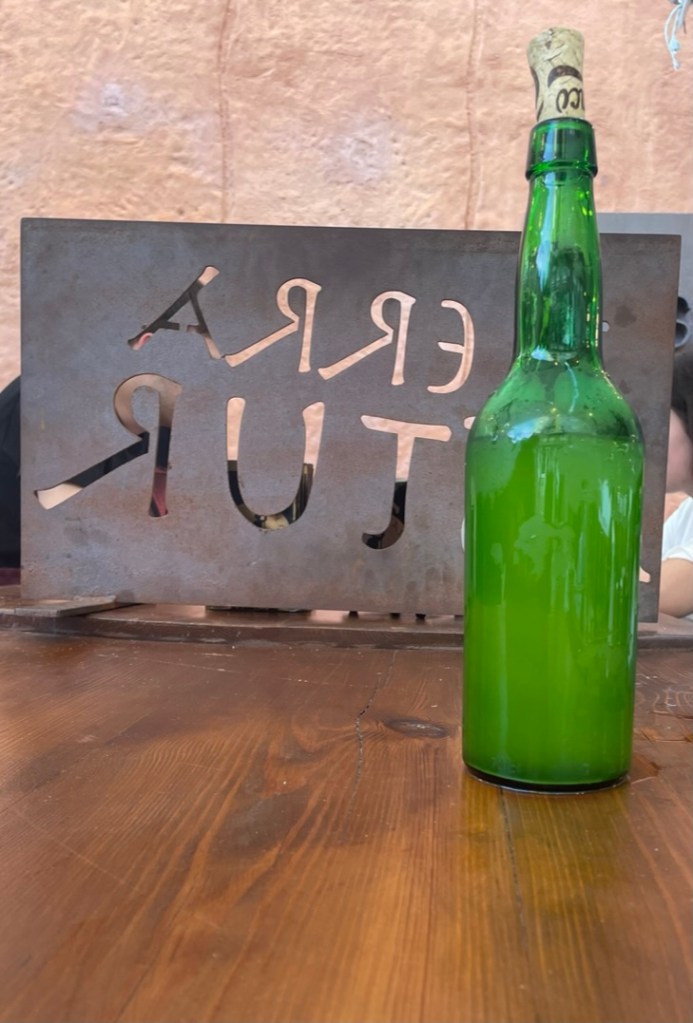
After check-in, I took a walk around the city, discovering an authentic sideria where I enjoyed an unmarked but delicious bottle of the Asturian specialty, along with some local cheeses. Coco and I then walked back to the hotel, stopping to check out the statue of Woody Allen that was erected by the city to honor the American filmmaker. Parts of Allen’s Vicky Barcelona were filmed here and he apparently fell in love with the city during the shoot. The sight of the native New Yorker this deep into northern Spain had me longing for a good bagel, something that has eluded me since we arrived over seven months ago. You’d think an enterprising local would open a chain of “Woody’s New York Bagels” to take advantage of the connection but mostly I just saw tapas places and burger joints. Go figure.
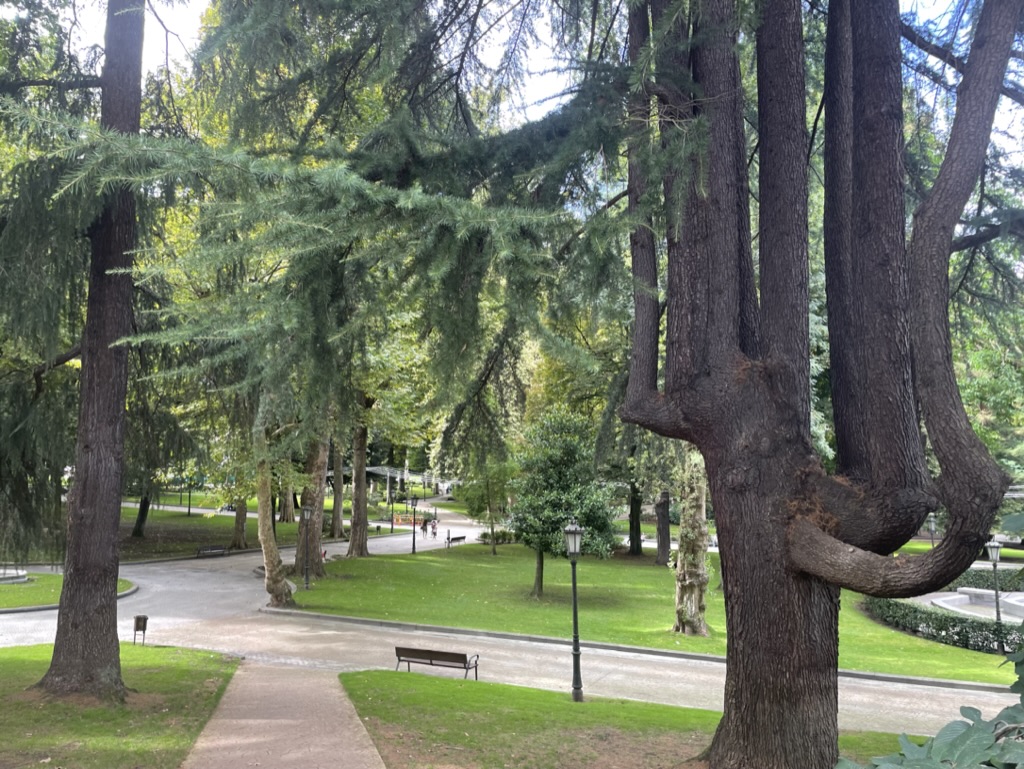
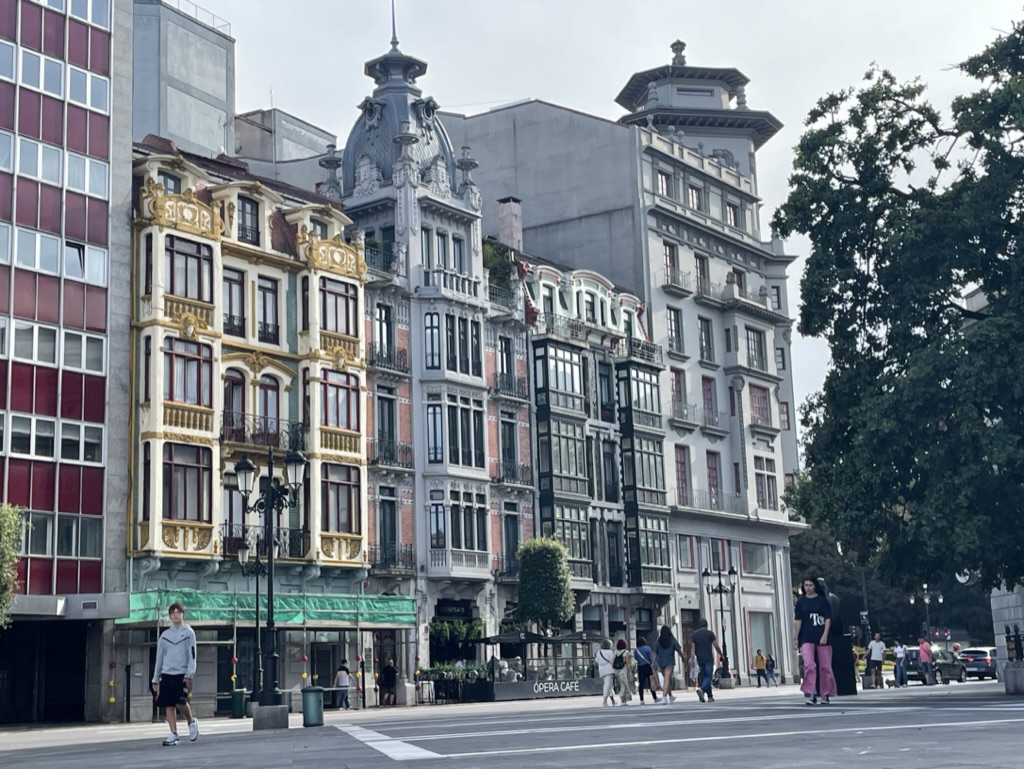

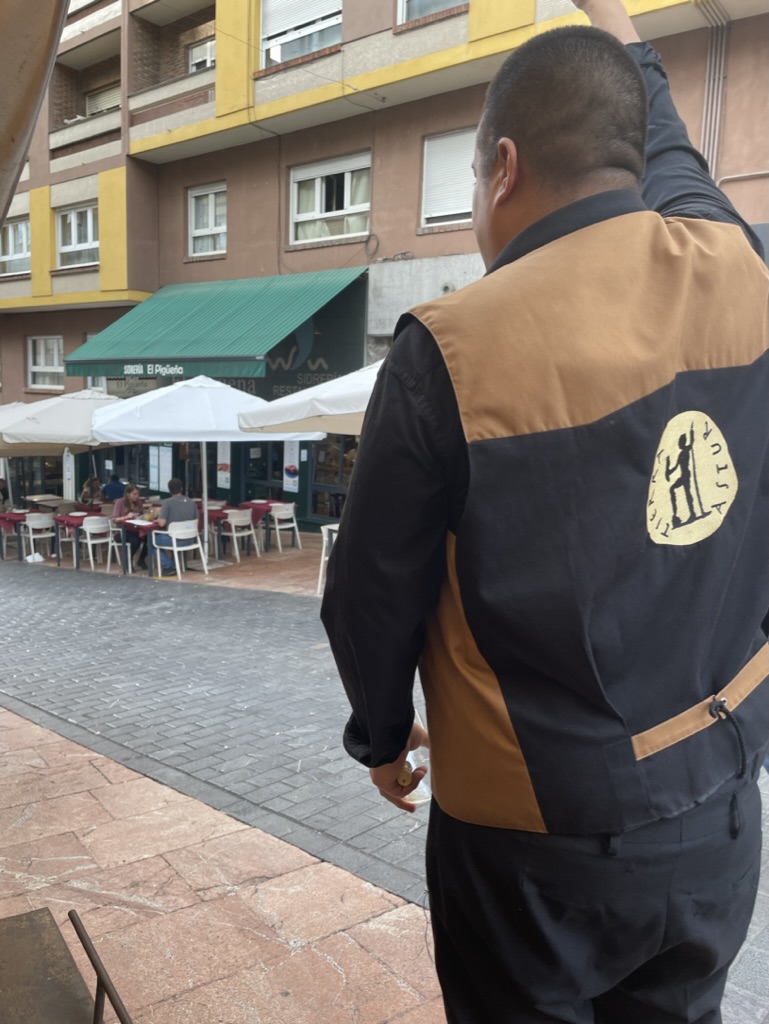
I had my nightly phone call with Denise as she was waking up on the west coast and she filled me on the latest from there. She had a lot to accomplish but I was kind of envious that she was surrounded by friends and family and had a purpose. I felt somewhat lost, driving from place to place with only Coco to talk with most of the time. She is a good listener but generally doesn’t add a lot to the conversation.
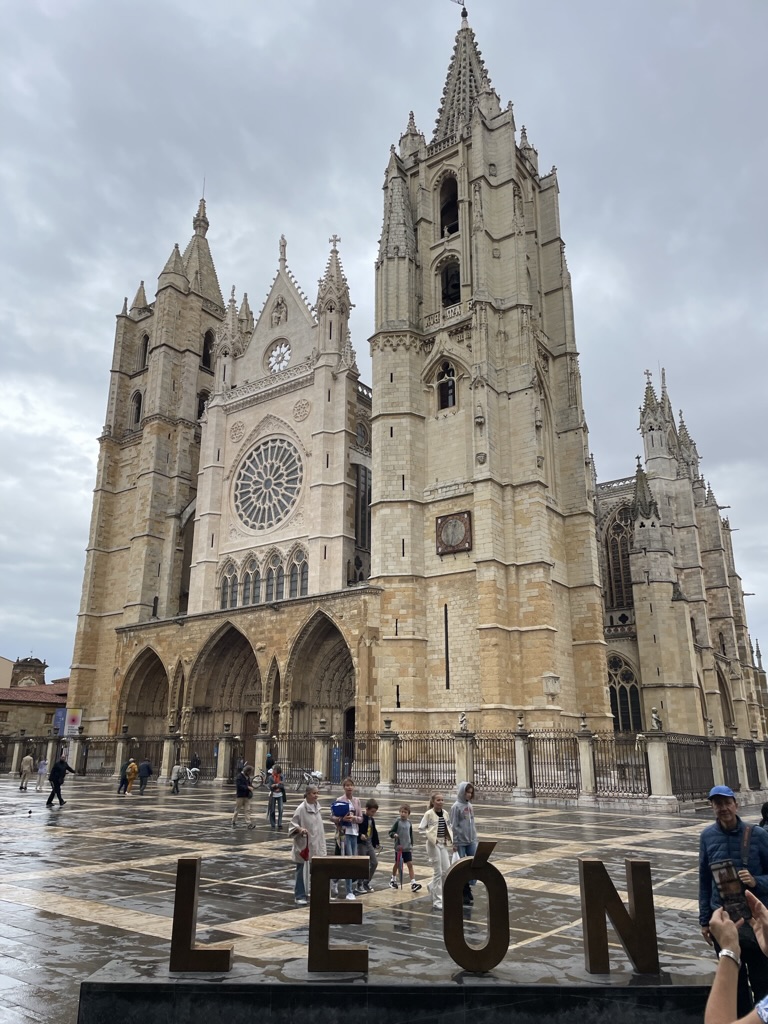
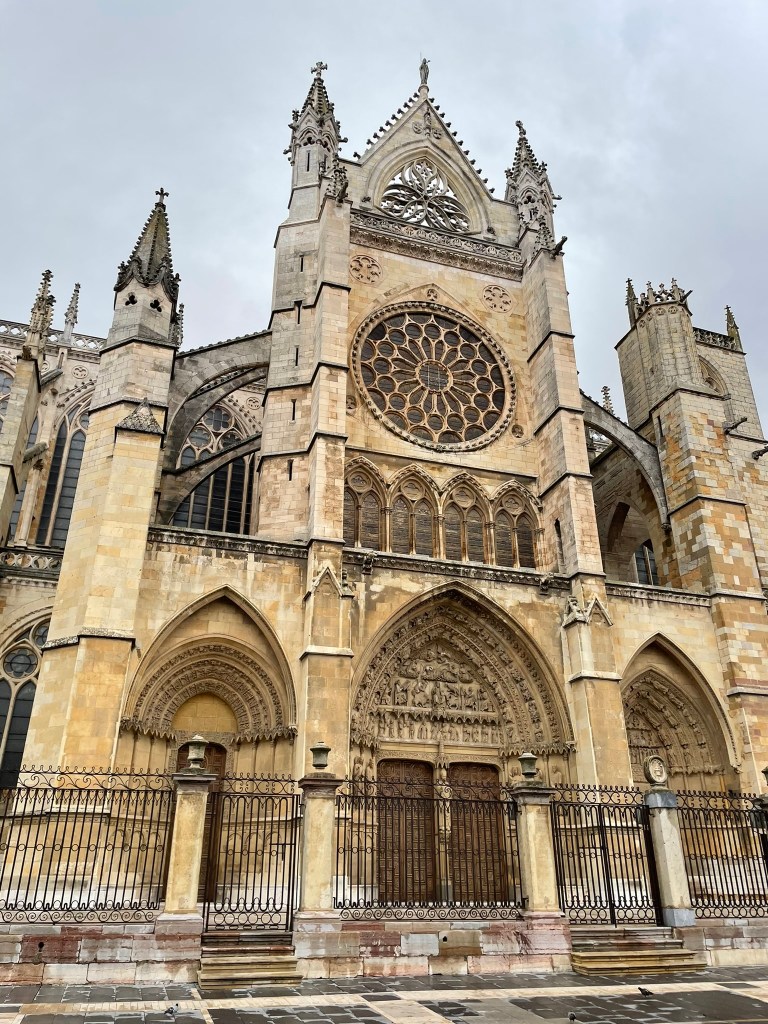
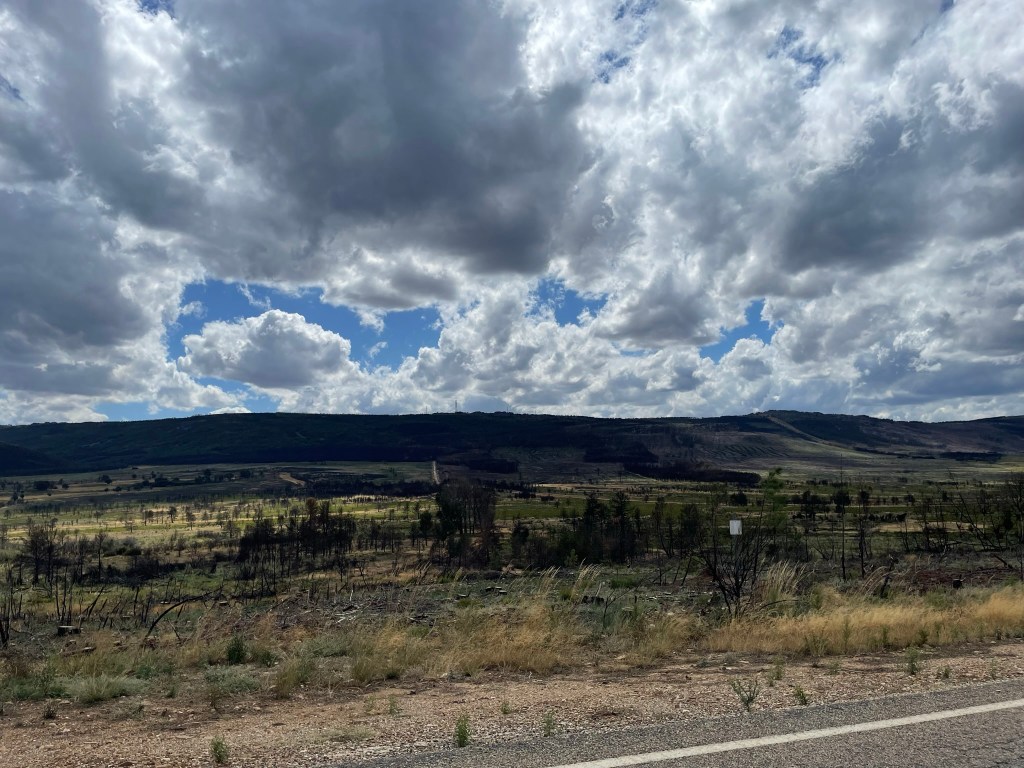
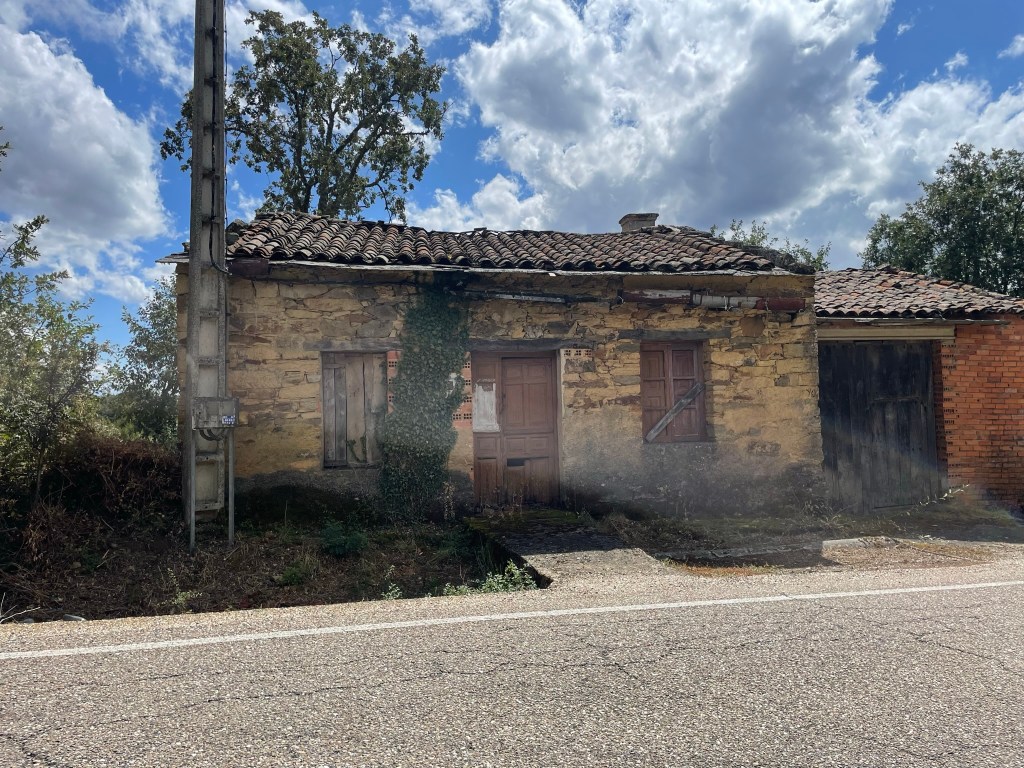
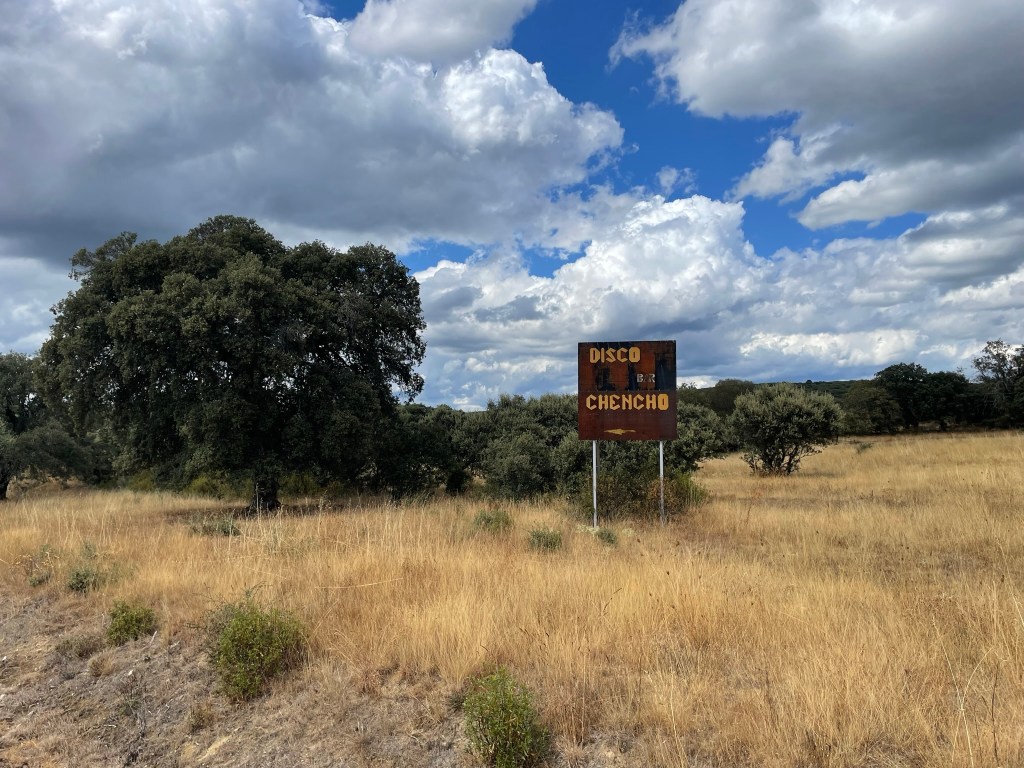
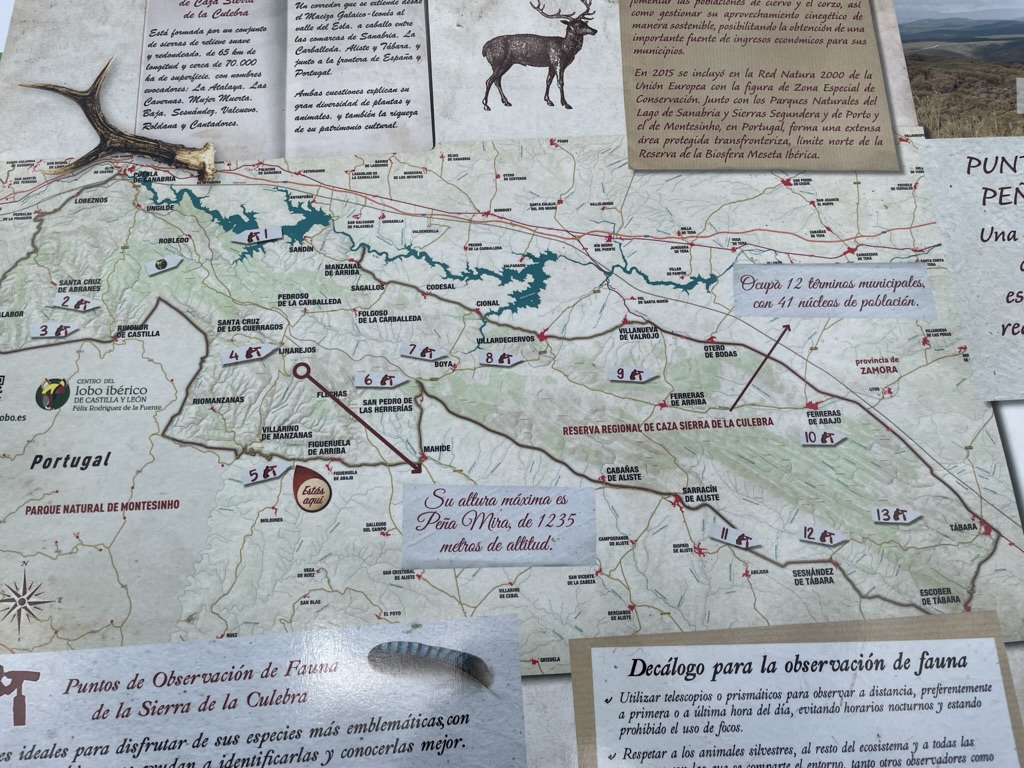
I departed Oviedo the next morning, stopping in León to admire their enormous Catedral de León and have yet another tortilla at a local cerveceria before climbing some mountains and tacking west in the general direction of the Portuguese border. I purposely chose the smallest roads that would take me to my destination for the night, yet another hotel, the last before arriving in Porto the next day. The road did not disappoint, as it took me over miles of fire-scorched hills and through one or two small farming towns, about as rural a route as I’d been on all year. When I finally crossed the border, there wasn’t even a welcoming sign on the road, the only way I knew was the text from my cell phone company letting me know that my roaming minutes were good in Portugal and the extra hour I received by entering the UTC+1 time zone.

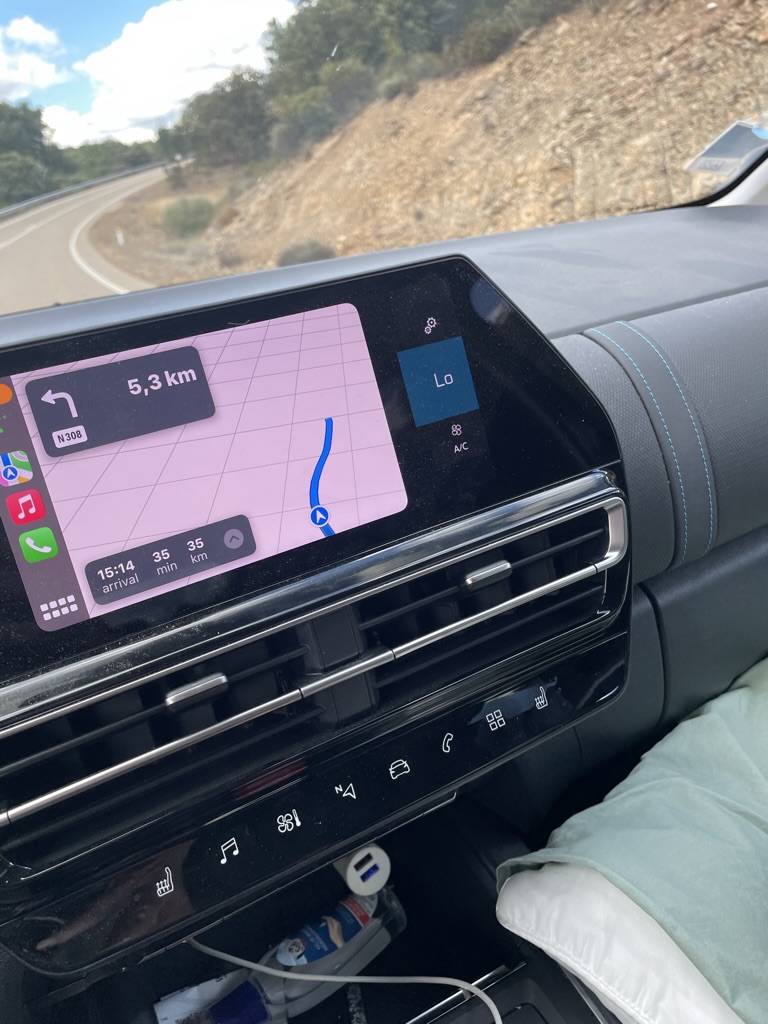
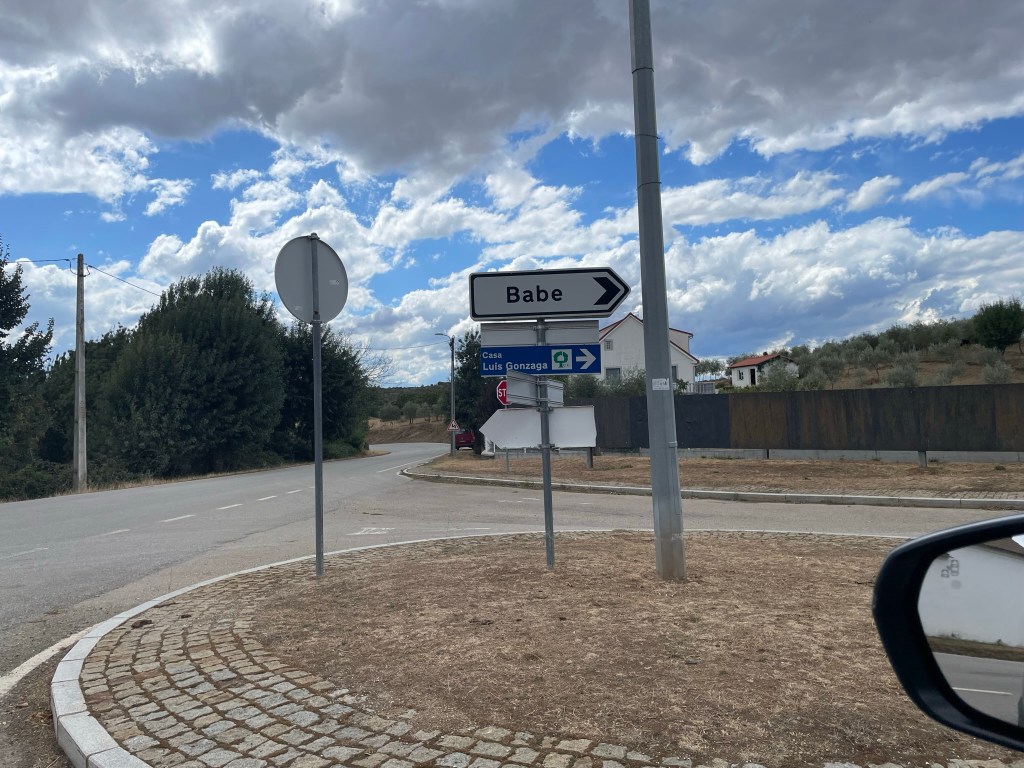
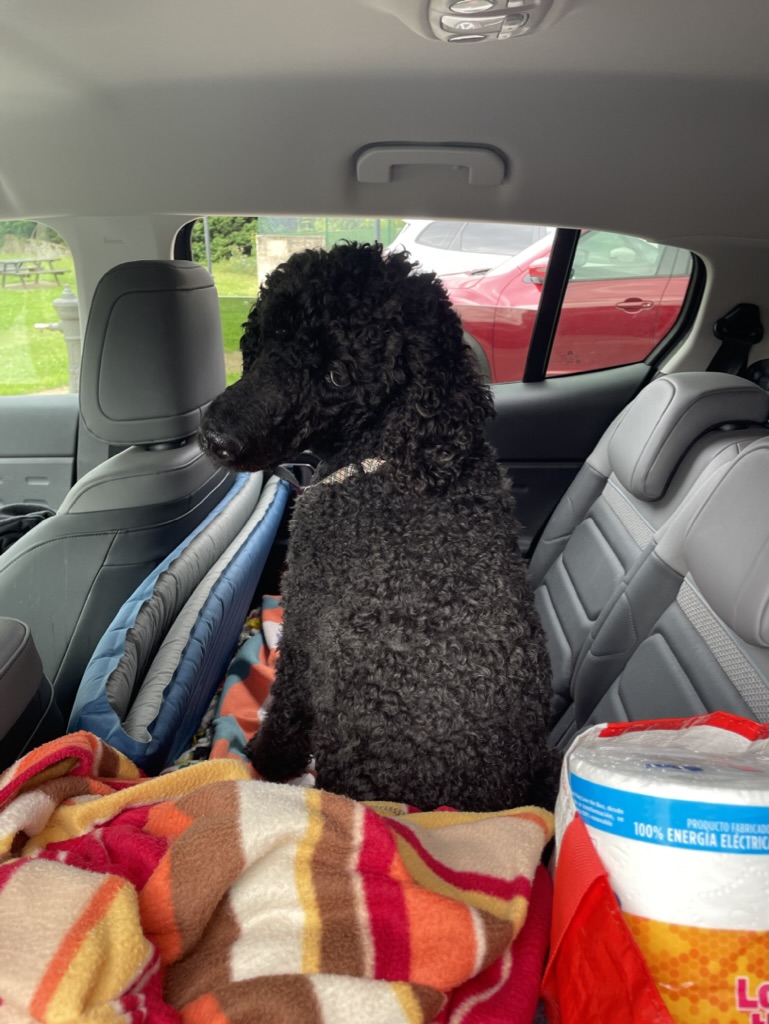
My hotel was in Bragança, a town that no one in their right mind would ever visit except when needing a place to stay between Oviedo and Porto. The hotel clerk assured me that my belongings would be safe in the car as crime was practically unknown there. I had a hard time finding anything to eat as I’d arrived on a Monday and almost everything was closed. The few restaurants that Google Maps told me were open turned out to be closed for vacation so I made do with a slice of pizza and a bottle of Somersby cider, a drink I remember fondly from our last visit to Portugal in 2019. It’s an English cider and considerably sweeter than the Asturian or Basque recipe and I’ve seen it everywhere we’ve been in the country. I hit the hay early, watching a rerun of the previous day’s Vuelta de Espana bike race. Tomorrow, I’d be in Porto and able to settle down for two months. I put Coco in the car and told her that all this crazy traveling would be over soon and we’d be in the same apartment for two whole months. I swear I heard her take a deep sigh before she lay her head down on the seat.
*A Spaniard in the Works is the title of a 1965 book of prose by the late John Winston Ono Lennon. Used without permission of the author’s estate.
 Calculating Route...
Keeping all of you in my DAILY thoughts and prayers. We plan and God laughs but Denise is such a spiritual warrior and Mama bear to get Finn from the other side of sadness. Coco is the lovely angel that will give you, Steve a comfort while things get done and life goes on albeit not the way you both planned!
LikeLiked by 1 person
Thank you Karen for the kind words. One day at a time!
LikeLike
https://udisc.com/places/portugal#!
LikeLike