I’m still waiting for Denise to return but trying to stay busy with frequent walks around the charming, if grimy, city of Porto. The names have been changed to protect the innocent.

I got “Franced” again today. It’s been a while and I had become complacent, even after being “Franced” in Spain once or twice. I’m referring to our nickname for the phenomenon of waking up to what you assume will be a normal day, only to find out that everything is closed due to some national or religious holiday that we knew nothing about. For example, we both grew up in the Catholic Church, but neither of us had paid much attention to Ascension Day since grade school, when the nuns made us go to church to honor the Virgin Mary’s one-way trip to heaven — sorry, Sister Mary Joseph!
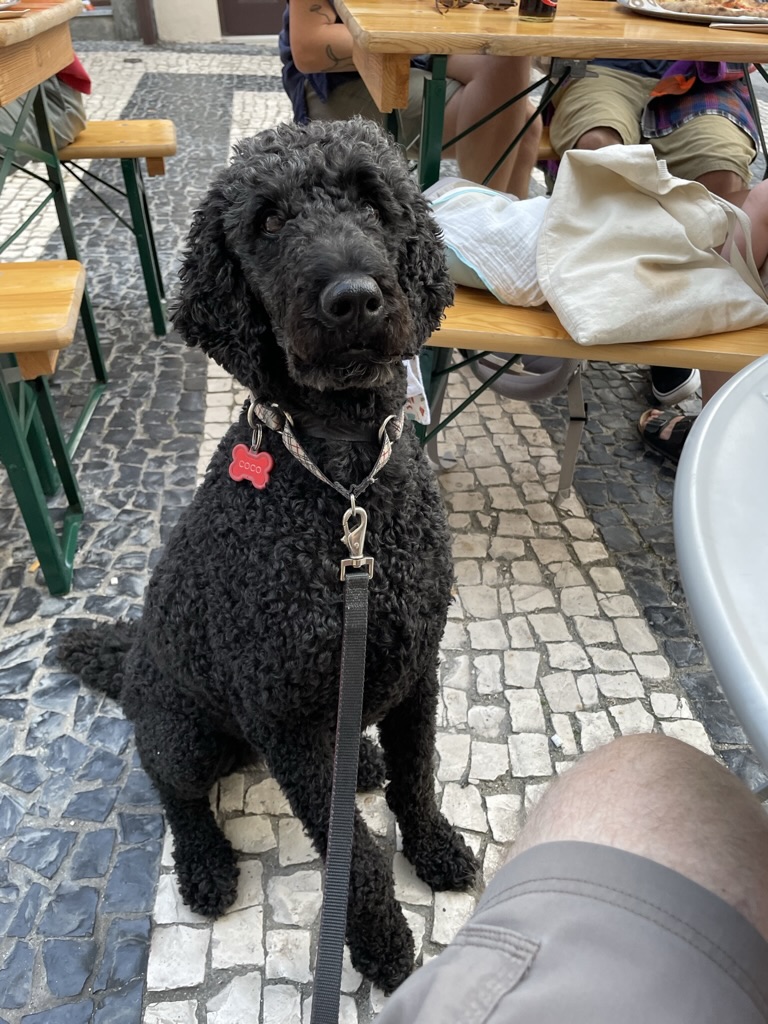
Today, it is “Republic Day” here in Portugal — or “the Implantation of the Republic,” which sounds a bit medical, frankly — celebrating the day in 1910 when the Portuguese threw off the chains of monarchy in a bloodless coup and became a fully constitutional republic. My first hint something was different was when Coco and I stepped outside for our morning walk and the sidewalks were virtually empty. Maybe the tourists have left? I wondered. But no, they were still there, stopping in the middle of the sidewalk to consult their phones as usual, oblivious to the pedestrian traffic gumming up behind them. No, it was the Portuguese themselves who were missing, sleeping in and pondering whether or not they were better off with or without Manuel II.
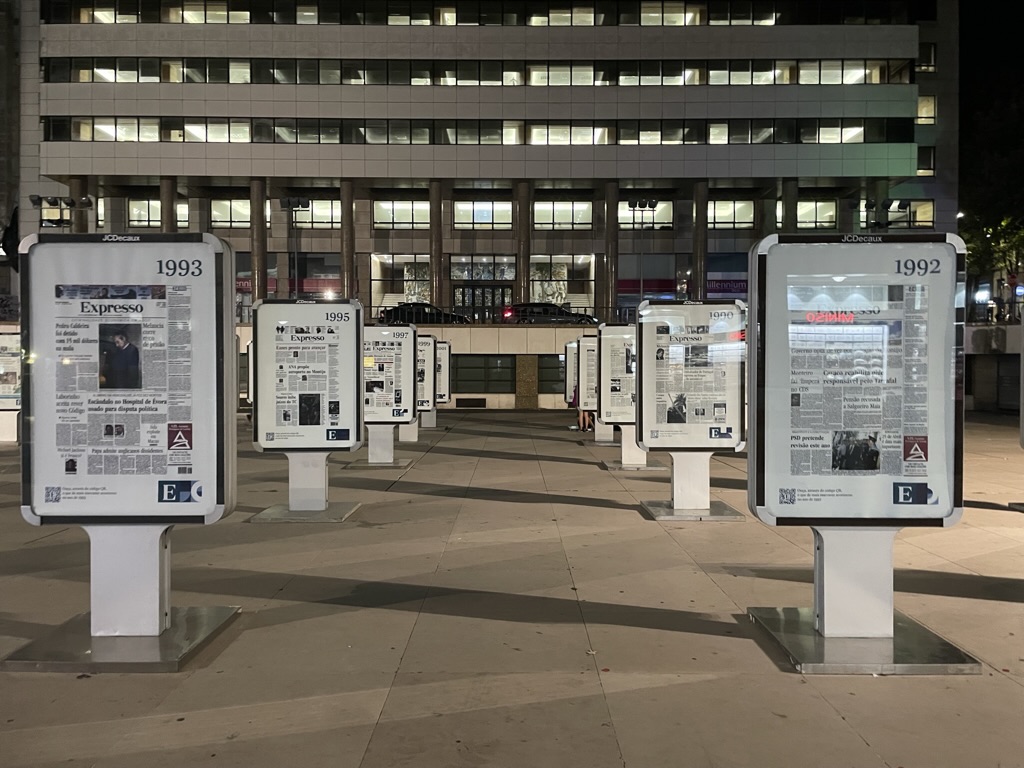
Unfortunately, that first Republic didn’t really take, and a military coup in 1926 eventually led to the authoritarian reign of Antonio Salazar, who ruled until he fell into a coma in 1968. Like his neighbor Francisco Franco in Spain, Salazar was a bastard who used censorship and his secret police to maintain order, imprisoning and torturing anyone who would challenge him. There’s really no way to defend Salazar, except by comparing him to the thuggish Franco: at least he wasn’t a fascist, and he had some interesting ideas on government. He kept Portugal neutral during WWII, while siding with the Allies in all matters outside of actually sending troops to fight. I don’t think anyone here looks back on his reign favorably.

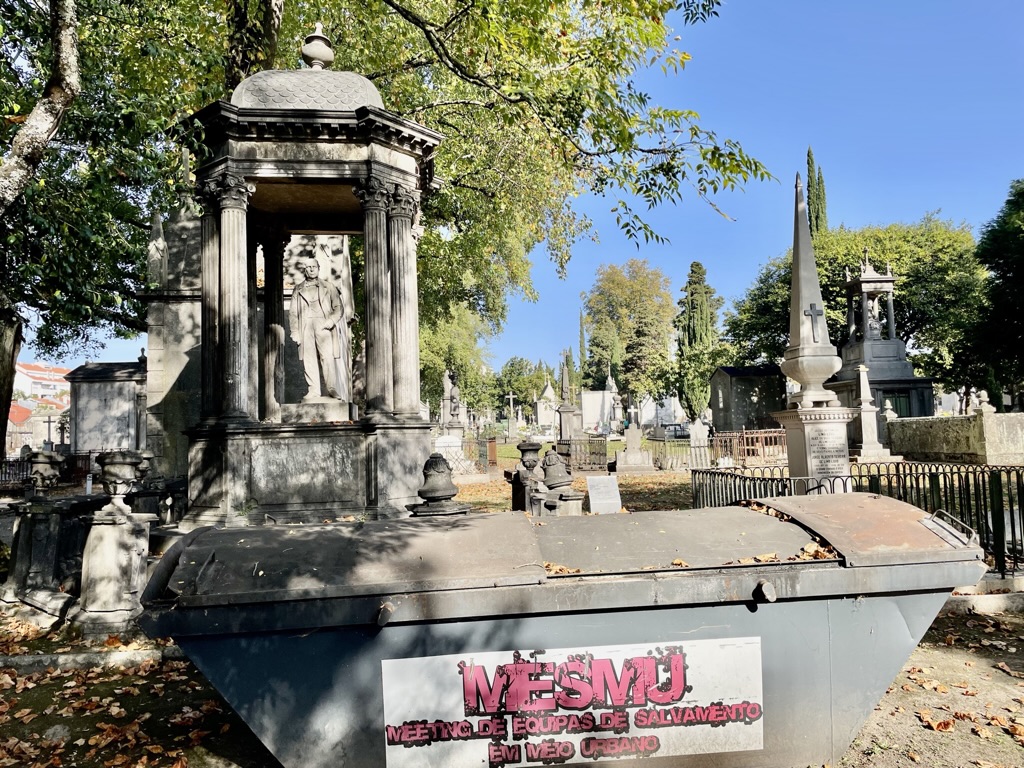
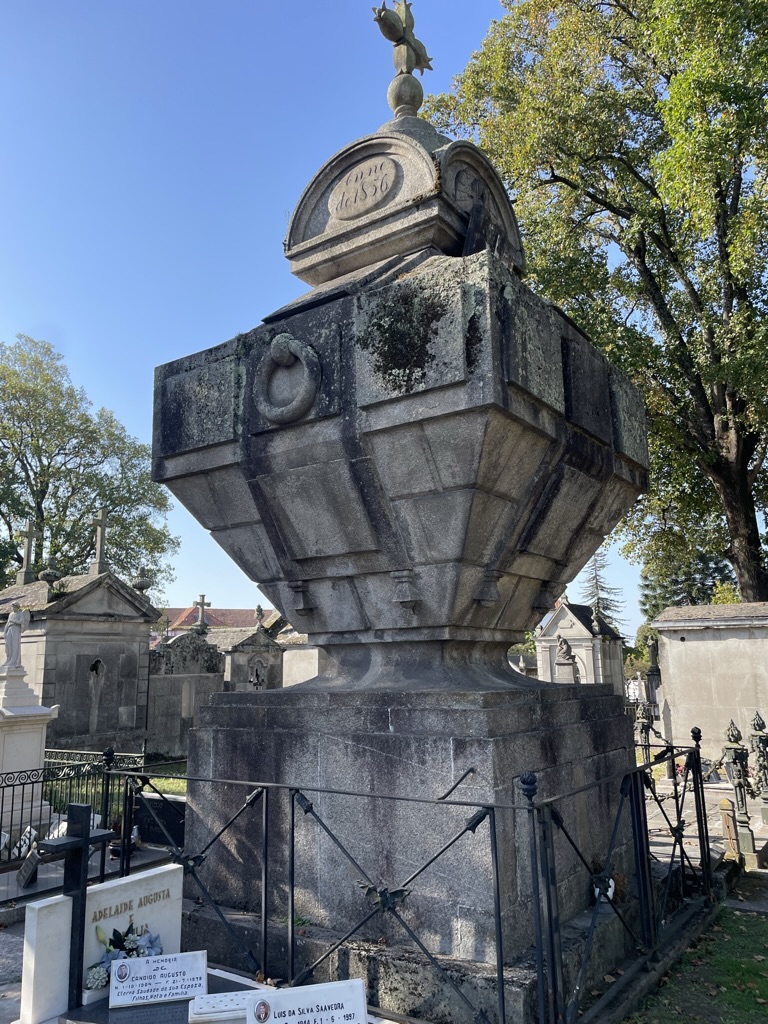
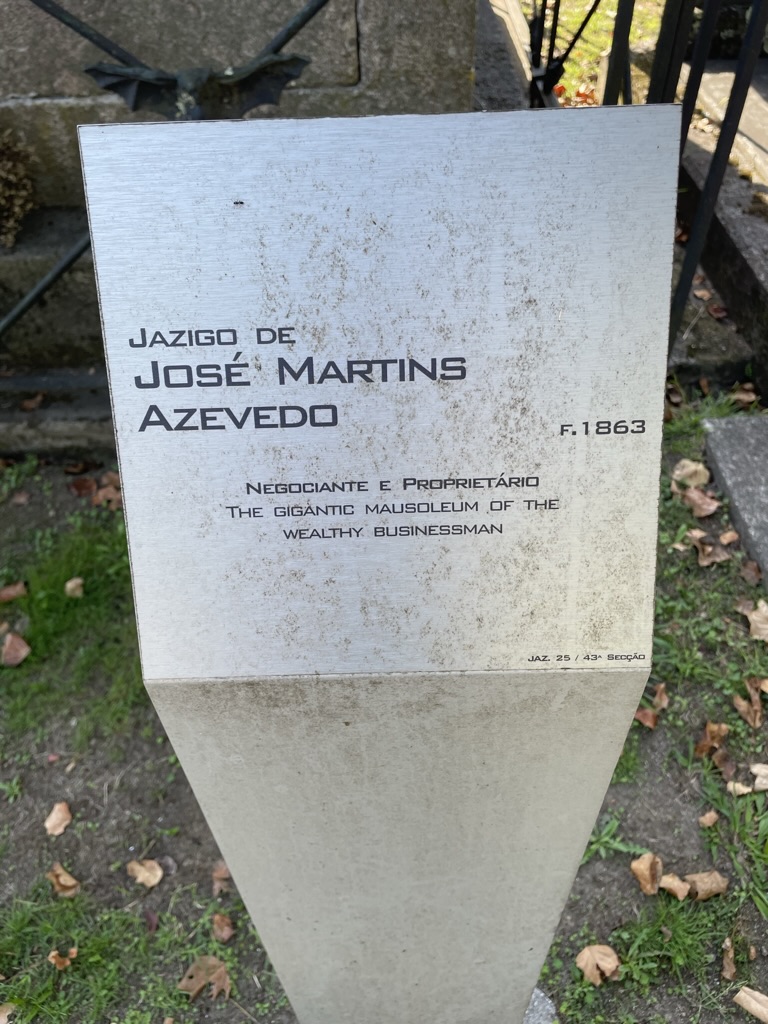
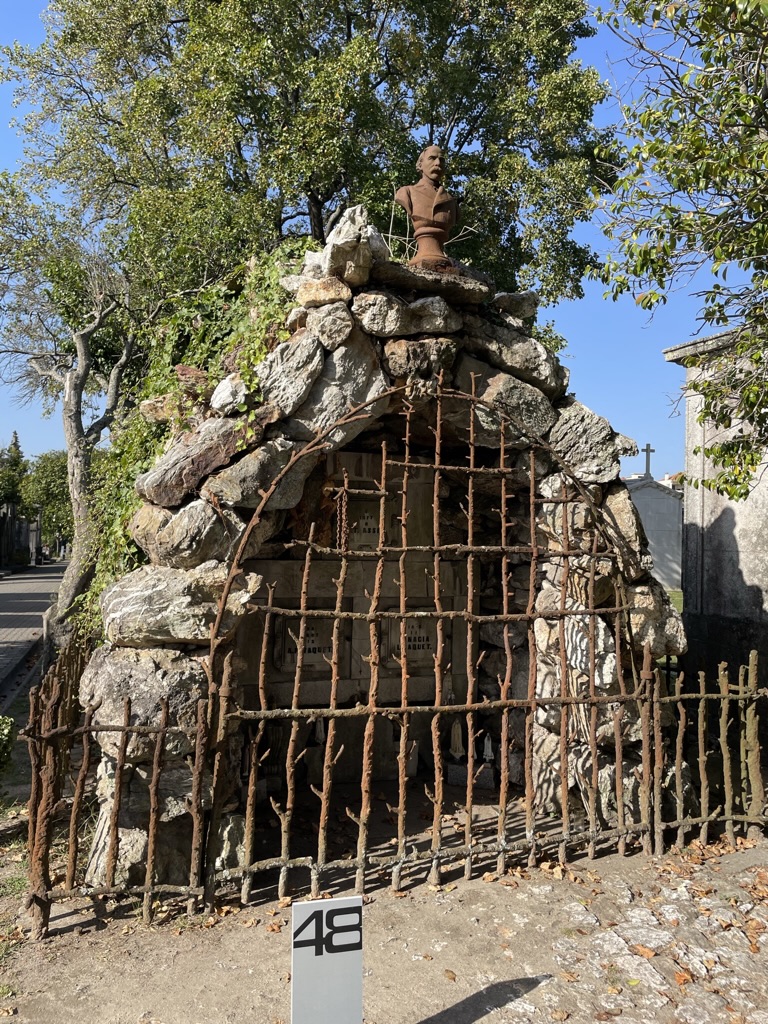
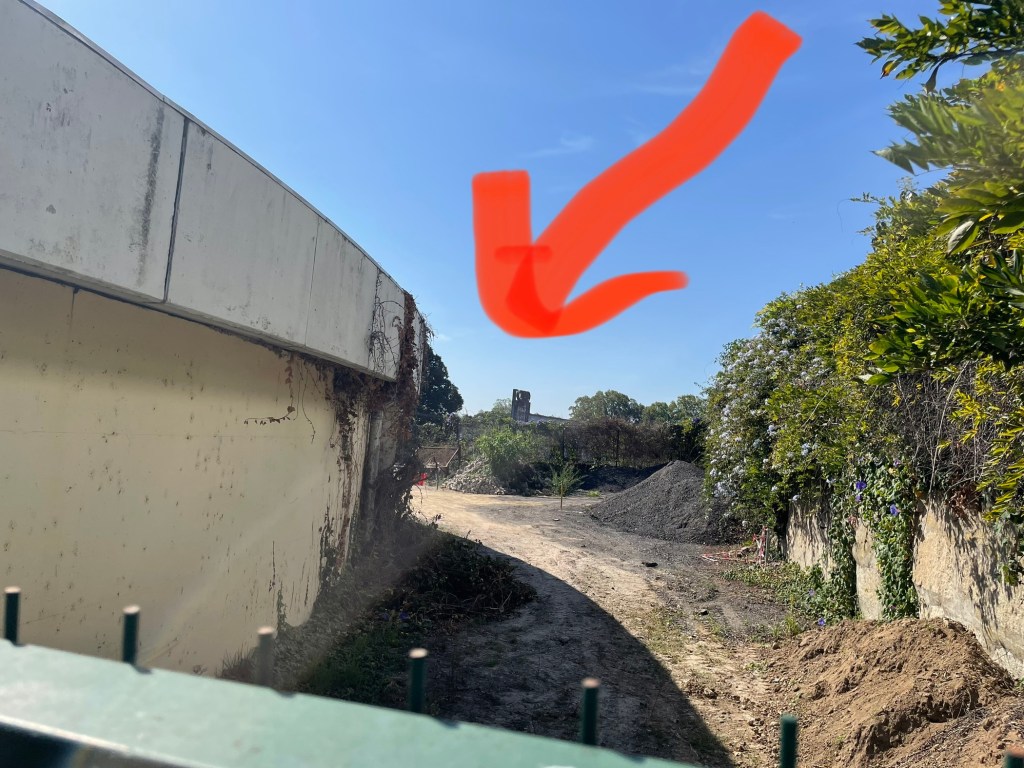
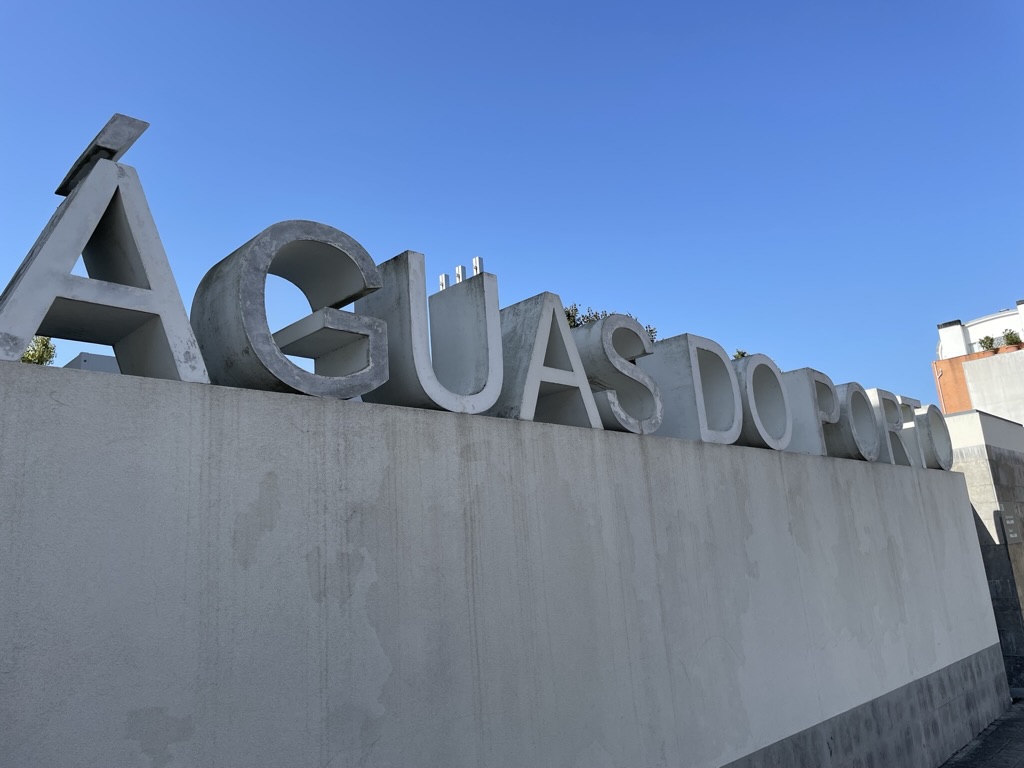
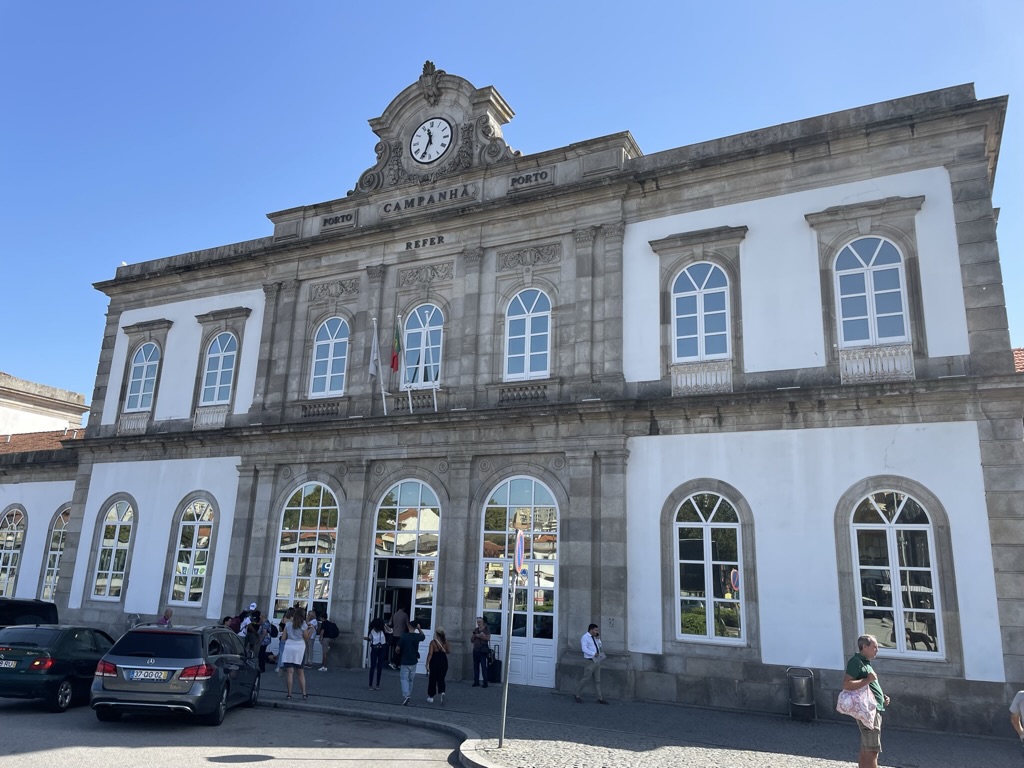
A few days afterwards, fully recovered from our Republic Day celebrations, Coco and I set off on a long walk in the general direction of the Campahnå train station, a part of town we hadn’t yet visited. We started out at Cemiterio Prado do Repouso in the working-class Bonfim neighborhood, where we soon discovered a community of stray cats who, no doubt, find ample hunting among the tombstones and crypts. Just on the other side of the south wall, I could see in the near-distance a large art deco-style sign spelling out F-O-R-D (though with no similarity to the automobile manufacturer logo). As a collector of photos of cool signs and cool typography, I felt compelled to get closer and so we left the grounds and headed in that general direction. Unfortunately, the structure was behind a solid row of apartments on one side and encircled by the Porto Water Works on the other. I asked the guard at their gate for access but he told me it was “restricted.” I took a roundabout perimeter walk in hopes of finding a clear shot but alas, I failed. I just wanted you to know that I tried my best and that, if you’re a fan of good conspiracy theories, my guess is that this area is probably where they are keeping the alien bodies recovered from the UAPs.


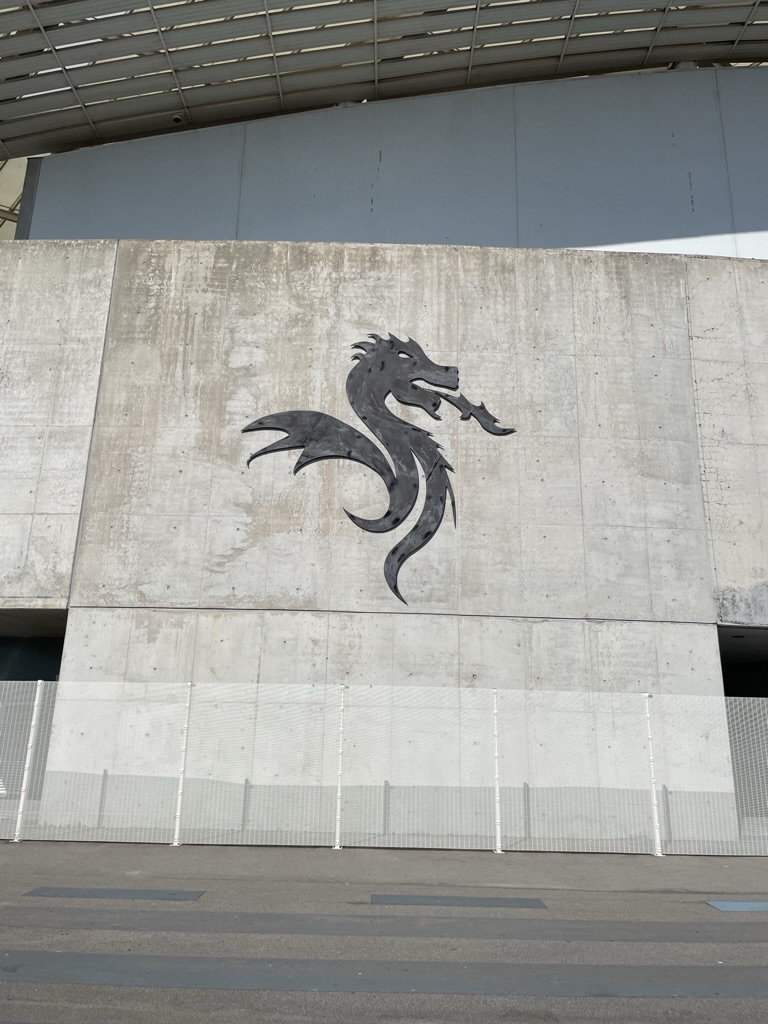
Once I found the underwhelming Campahnå station, a quick check of the map told me that I wasn’t too far from the Porto city soccer stadium, so I headed up the hill to see Estádio do Dragão — Stadium of the Dragon, the Porto mascot — an imposing, modern, steel and concrete stadium with a retractable roof and a seating capacity of 50,000. I passed the ticket office and popped in, mostly to give Coco a break from the sun, and asked the lady behind the counter if there were any upcoming fixtures (gotta know your futebol lingo). She said that there was indeed: Portimonense FC were in town from the Algarve to play the hometown team that very night at six p.m. Quickly checking my social calendar and finding it blank, I bought the cheapest ticket available — 17 euros — and told Coco that she’d have to eat dinner on her own that night.
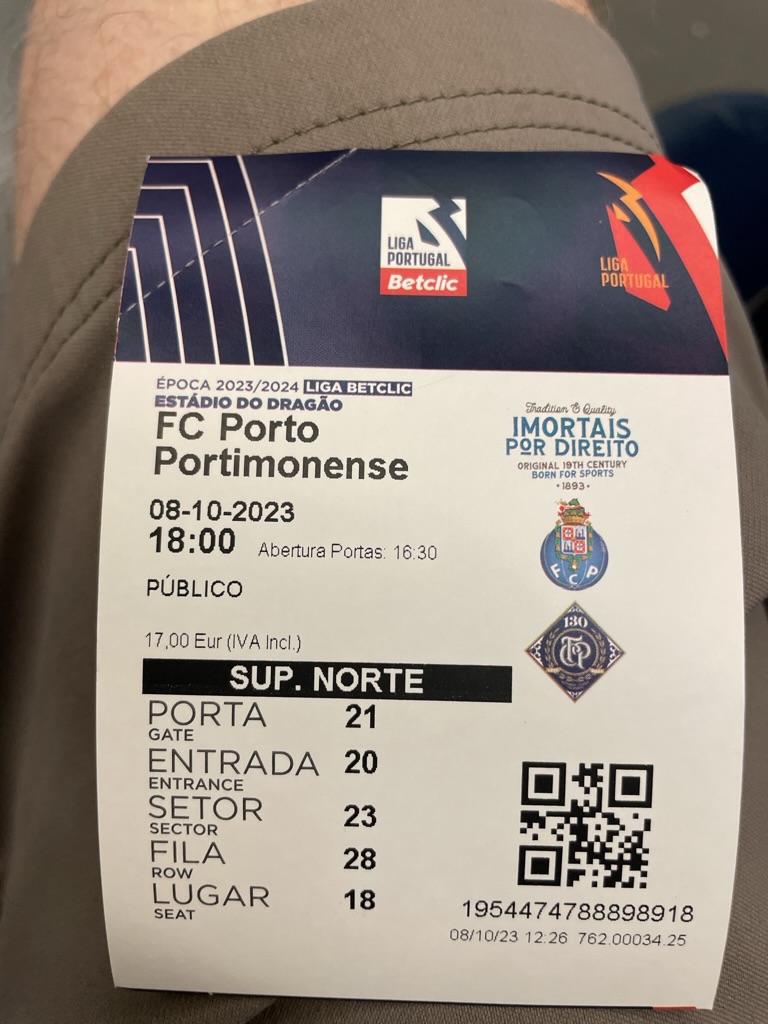
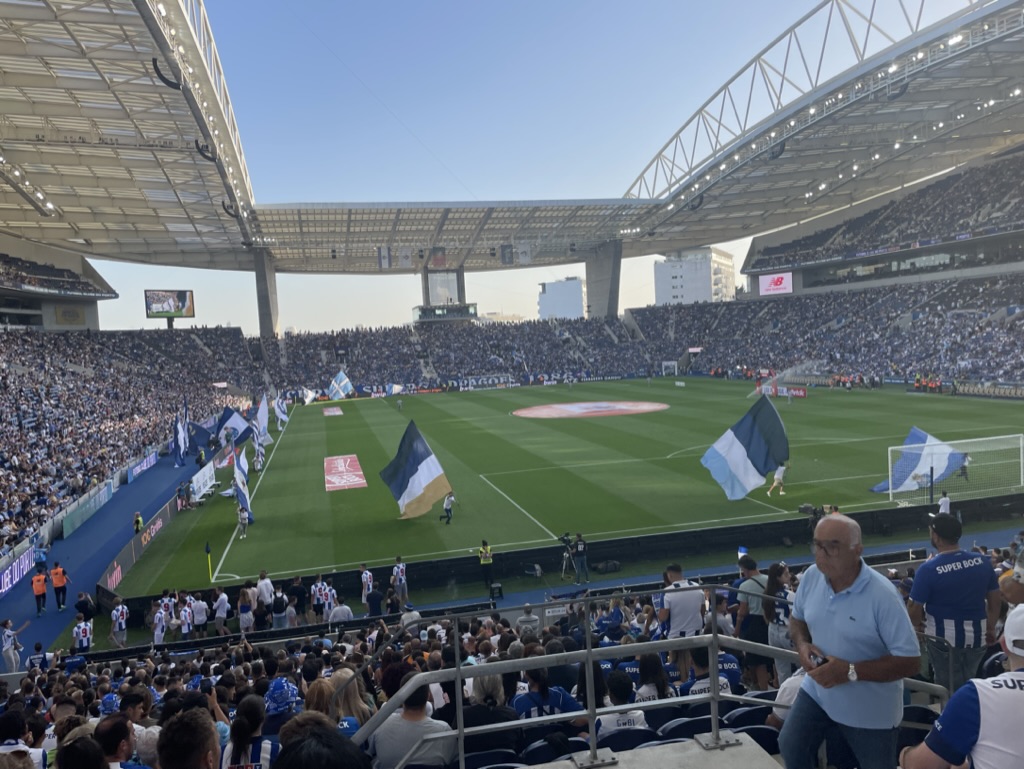
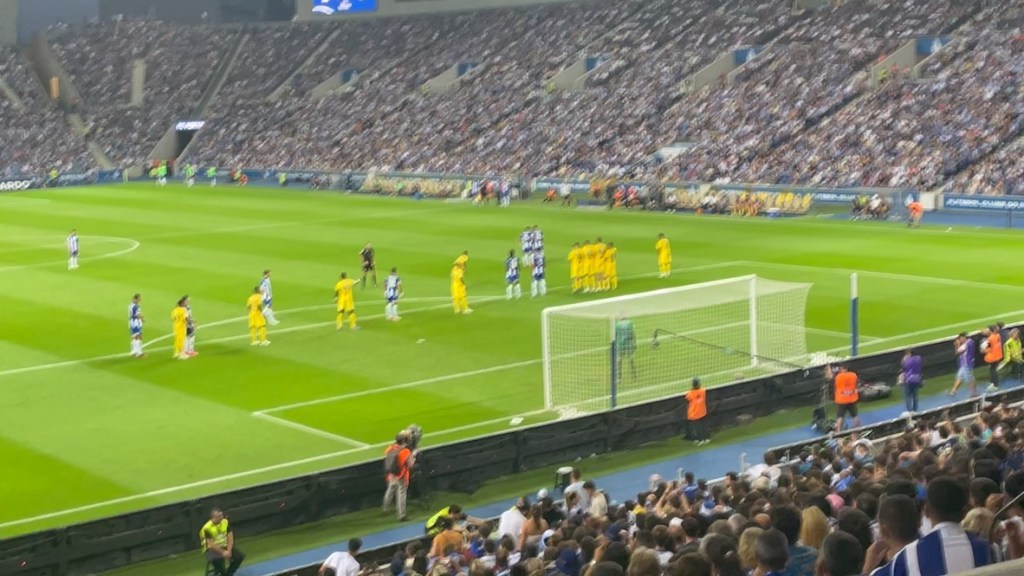
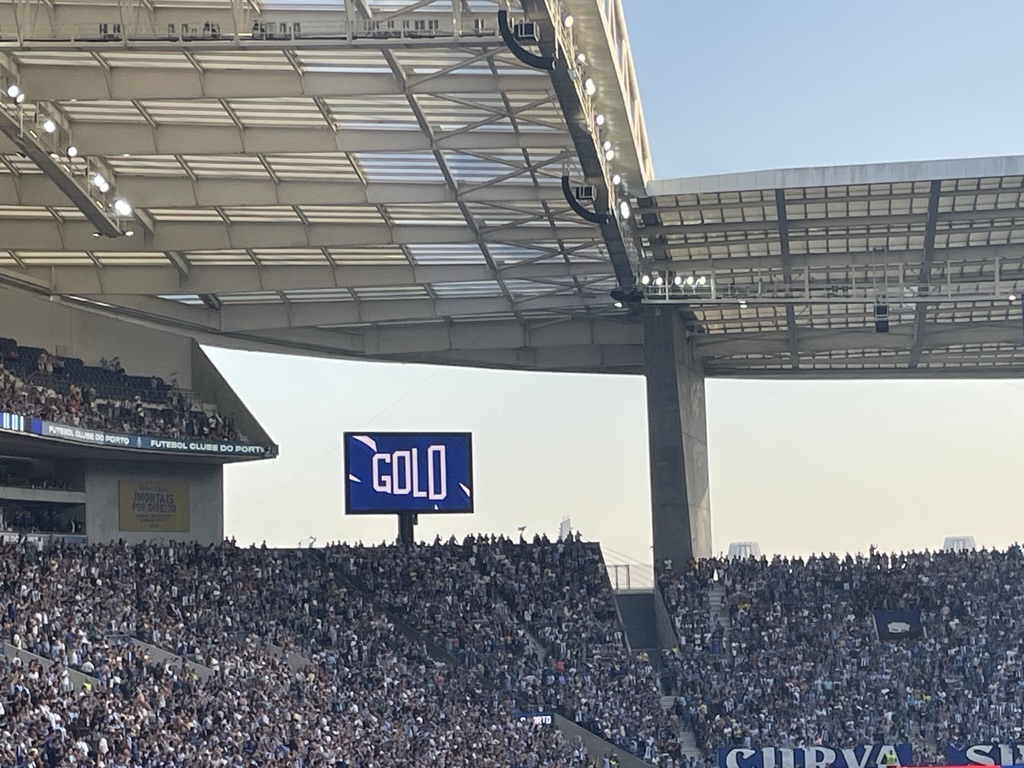
I headed back to the stadium that evening and found my place among the blue-and-white clad Porto FC supporters. My end-zone seat, despite the low price, gave me an excellent view of the field and the seat was spacious with good legroom — I’m looking at you, Fenway Park. Before the match began, everyone stood and sang the Porto FC fight song, a catchy ditty that, to my ears, bore more than a passing resemblance to the Jaca anthem that Denise and I had heard so many times during the folklore festival there. The only word in the song that I could figure out was “Porto,” so I sang that loudly when that part of the lyrics came up on the scoreboard. With play underway, Porto scored a goal at the nine-minute mark, turning the rest of the game essentially into an 80-plus-minute session of “keep the ball away from Portimonense.” It was fun just seeing the game, however, my first European soccer experience, but the fans weren’t as crazy as I expected. For comparison, it wasn’t any nuttier than the Portland Timbers games I had experienced back home: the fans in the other end zone were singing and waving flags right from the beginning and everyone booed the referees loud and long anytime the calls went against Porto, but otherwise, it was fairly calm. The relatively subdued nature of the crowd might have something to do with the prohibition on alcohol sales at the game. The teams’ main sponsor is Super Bock beer — they seem to sponsor everything here — but the only product of theirs for sale at the stadium was their alcohol-free version. That early goal held up and Porto won 1-0, moving up to — if you’re keeping track — third place in the Primeira Liga. It was a great experience and I’m really happy I stumbled upon the opportunity.
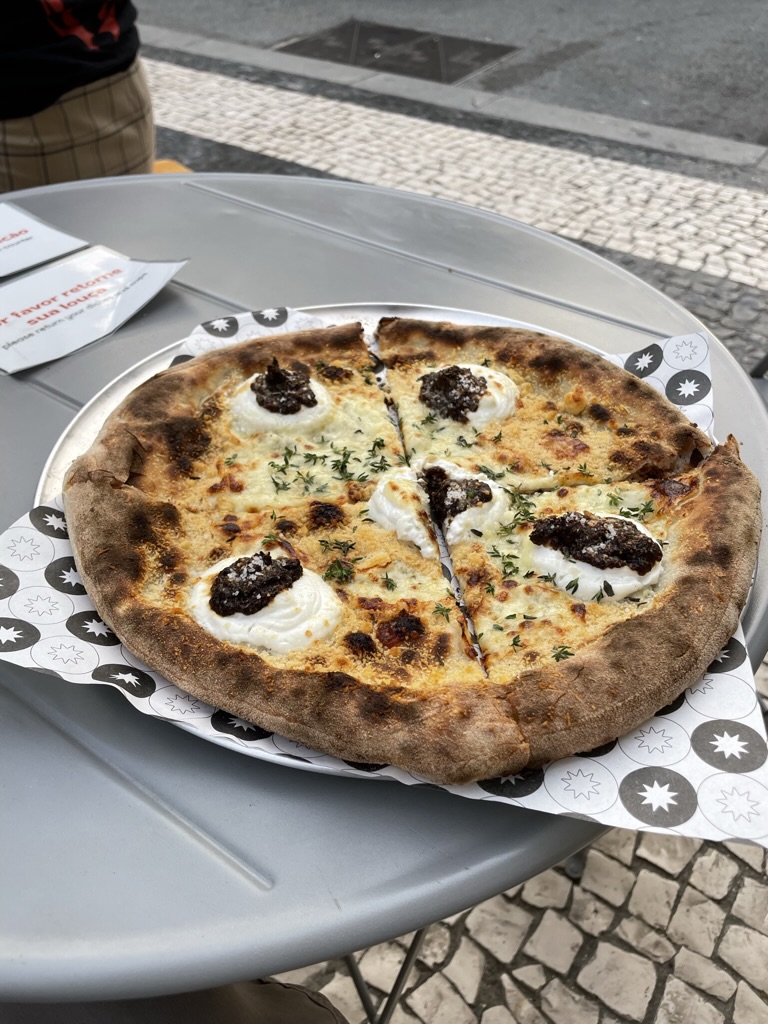
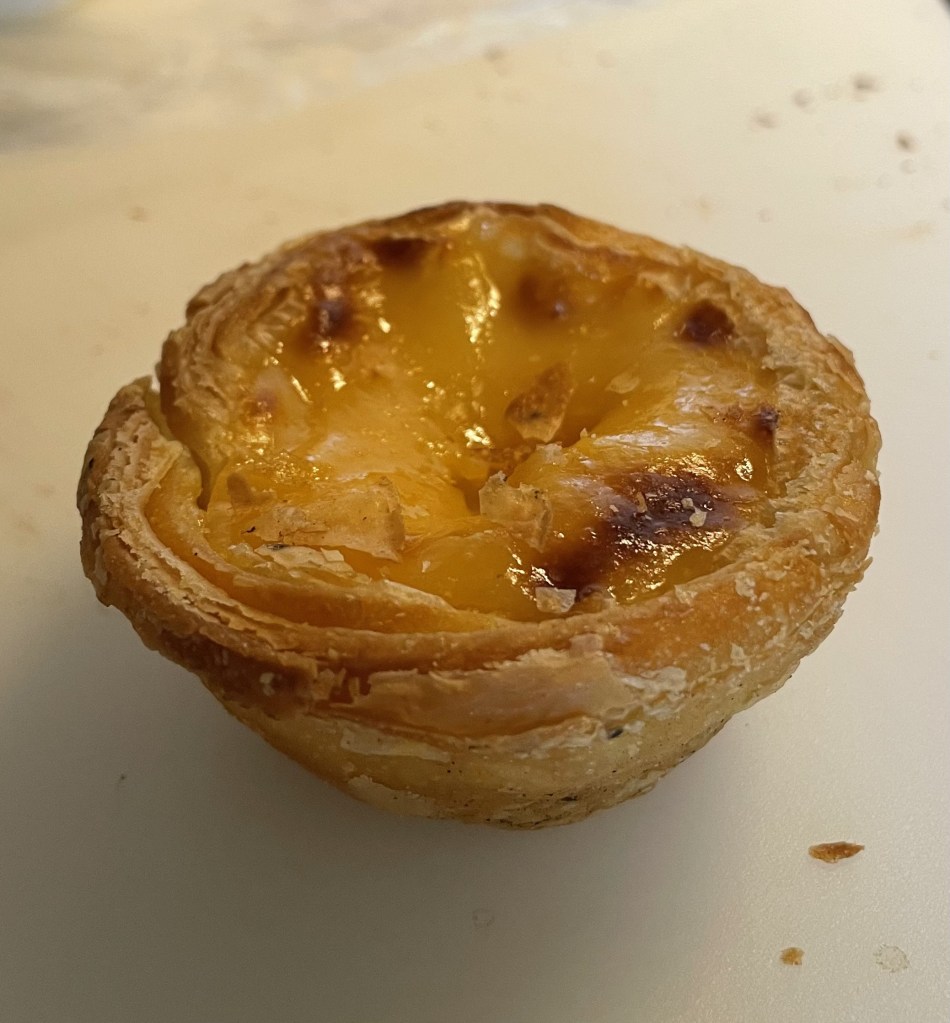
I’d like to write about the local cuisine but, truth be told, I haven’t had much of it. There’s a reason why, unlike Italian, French, or Spanish eateries, you don’t see many Portuguese restaurants outside of Portugal: the food is not that interesting. Sure, it’s hearty and fresh, but it’s also a simple cuisine, I’m guessing because of the generally low standard of living here, and it’s mostly fish, pork, and organ meats — tripe is big here — served with rice, potatoes, and some salad greens for decoration. Admittedly, we aren’t the best judges because we aren’t big seafood eaters but, when I asked my expat friend Meredith for restaurant recommendations, she suggested a pizza place, a burger joint and a middle Eastern restaurant, admitting that she wasn’t that fond of the local food either. I did have an appetizer of cod fritters at a local bar and they were good, but that’s as close to authentic Portuguese cooking as I’ve gotten. Desserts are big here, of course, and I’ve eaten my share of Pastel de Natas, the national pastry. I’ve got my eye on some small, authentic Portuguese places for when Denise returns, so I’ll get back to you.
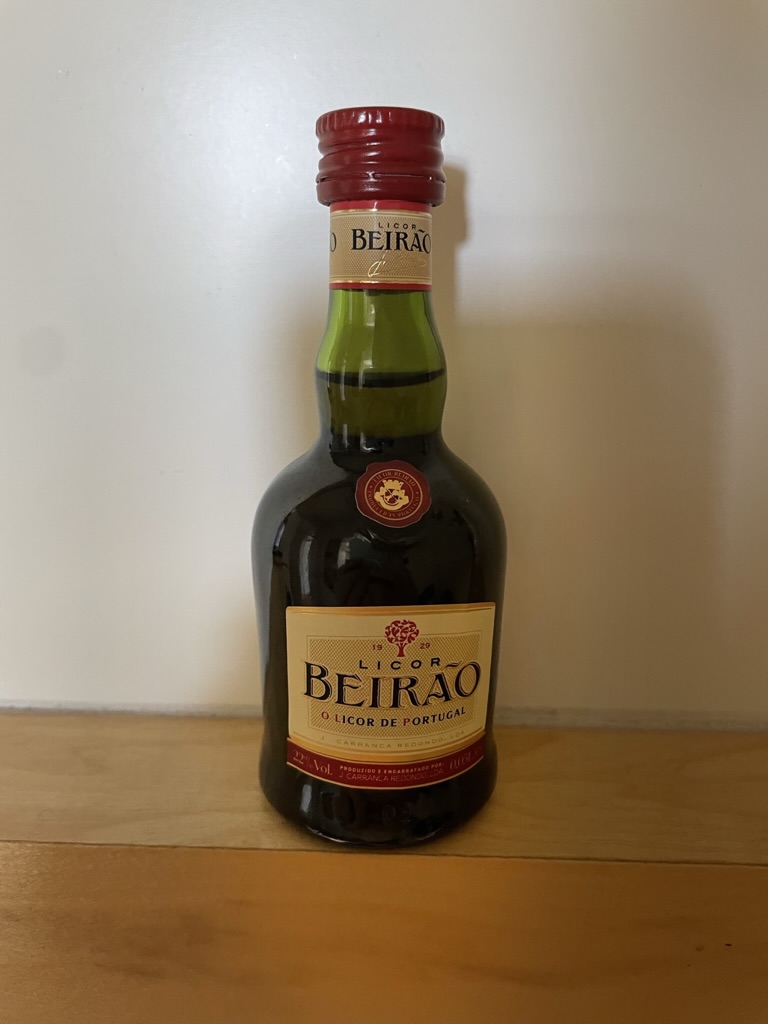
The wine is generally good, with the reds from the Douro Valley reminding me of big California reds, such as the Napa Cabernets, while the Alentejo wines are more rustic, European-seeming, and, to me, more interesting. They are versatile food wines and pair well with pastas or meat dishes. I haven’t tried any top-shelf white wines, preferring to stick with the simple boxed branca wines for the sake of my budget. I did buy a bottle of a tawny port for after dinner purposes but I’m not a big fan of those wines, I’m sorry to say, being in Porto and all. I was much more intrigued by the Portuguese national liquor, Beirão, a digestif originally produced to calm the stomach. The mixture of herbs and plants is a secret closely held by the manufacturer but I’d say it’s not dissimilar to Pimm’s, Amaro, or Chartreuse. If you’re a fan of those types of liqueurs, I’d recommend it.
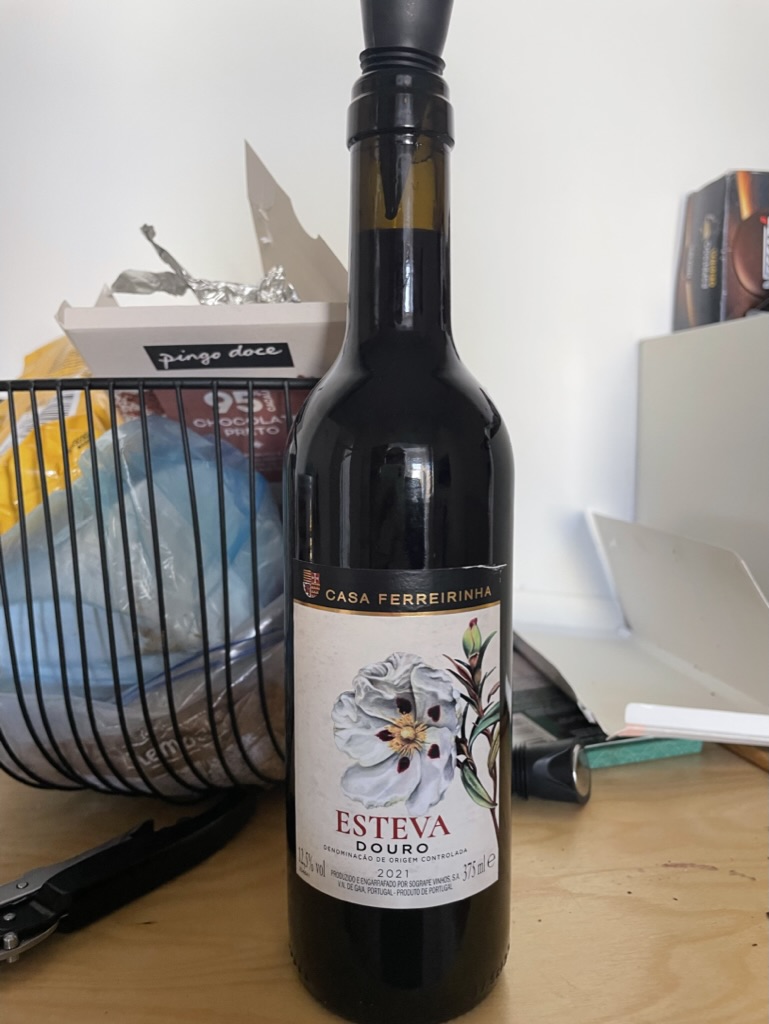

I’m warming a little to the Portuguese language — or at least I’m starting to see the similarities to Spanish in the written form. When it’s spoken, however, I am completely lost. In the other countries that we visited, I took pride in learning the basics and enjoyed seeing how far into a conversation I could get, but here, I go right for my Fala Inglés? I heard a street performer singing in Portuguese the other day and wondered how the language could sound so beautiful when sung and so harsh when spoken. If we move here, I’ll definitely put the work into learning as best I can but I can tell it won’t be easy.
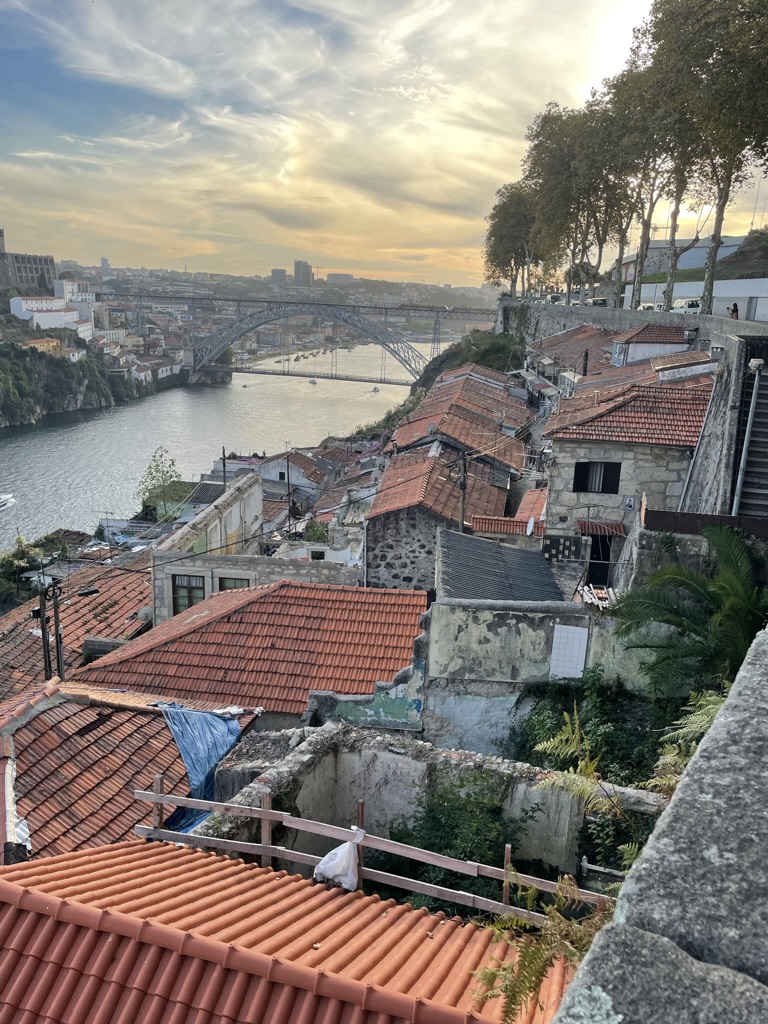
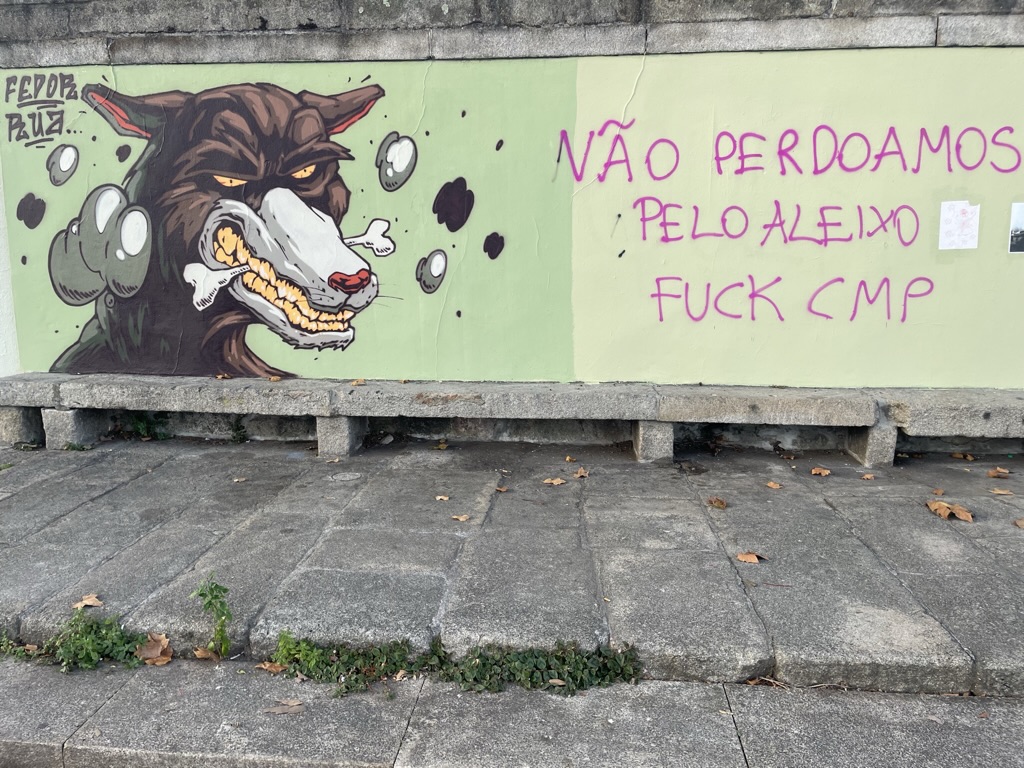
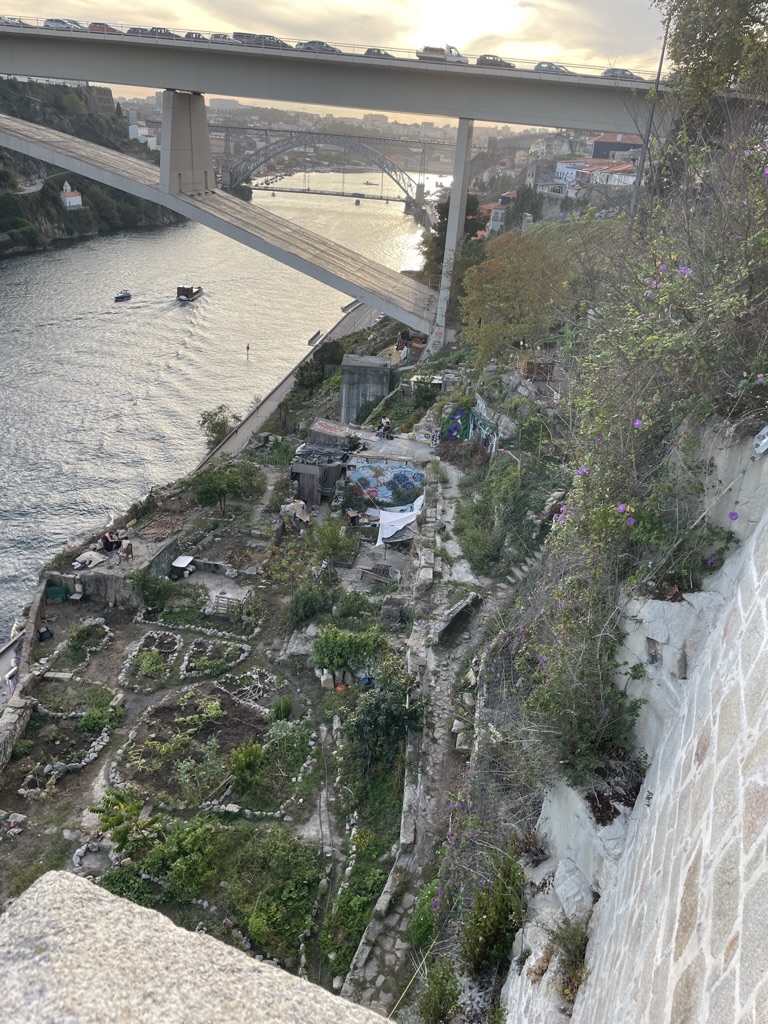
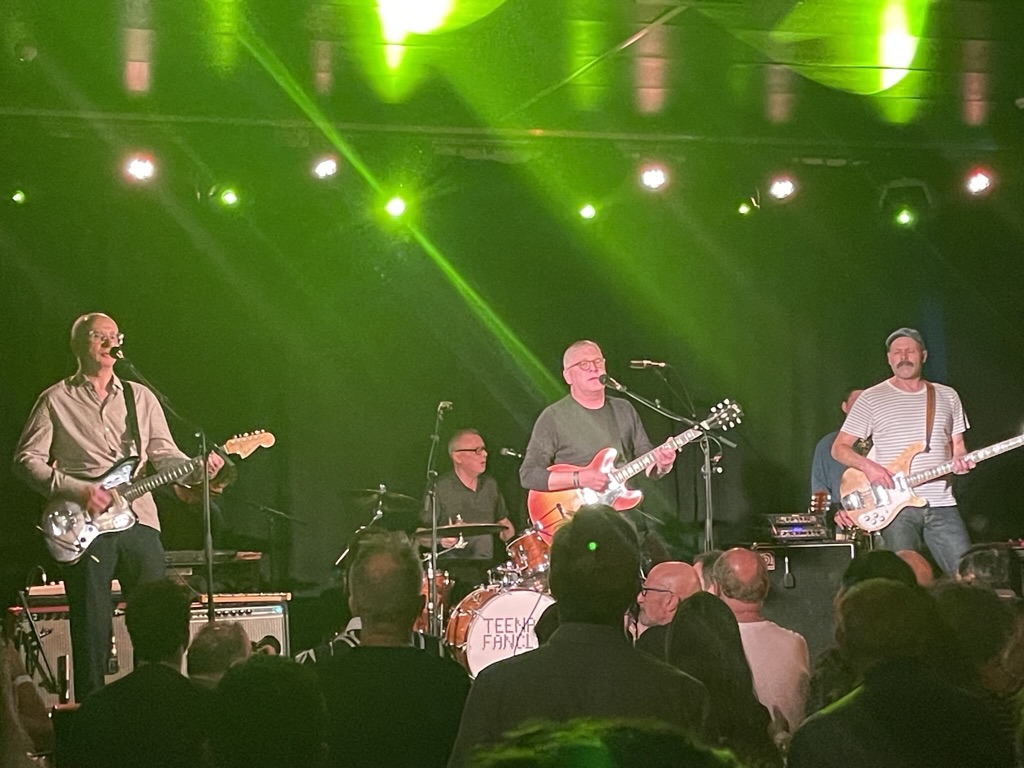
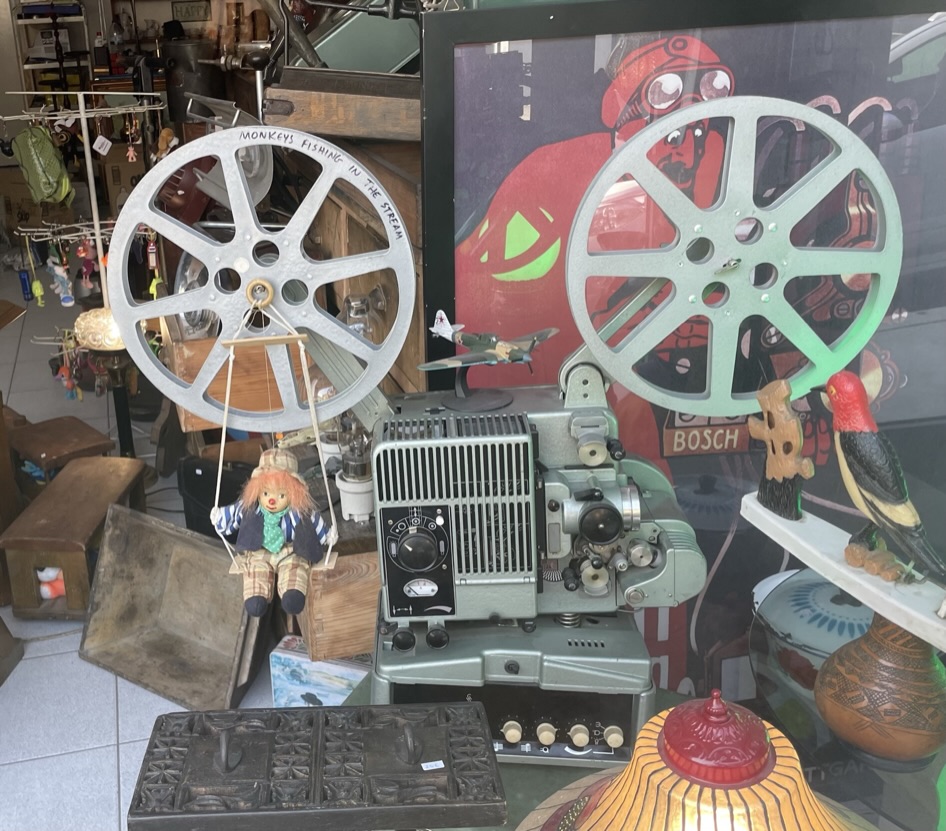
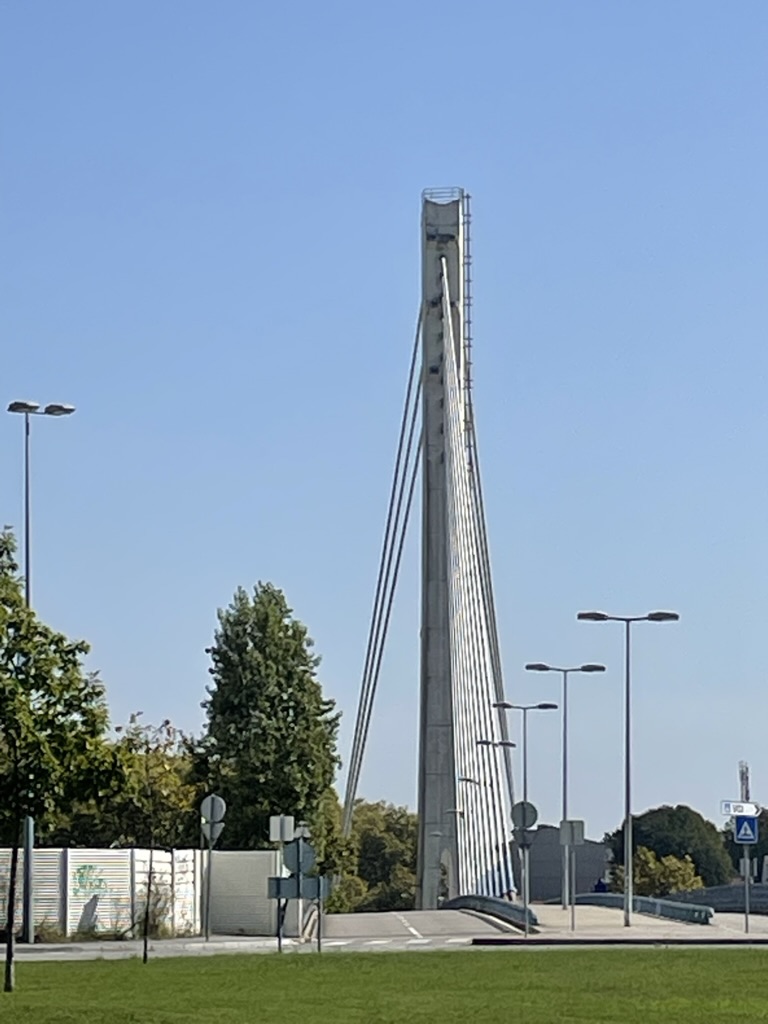
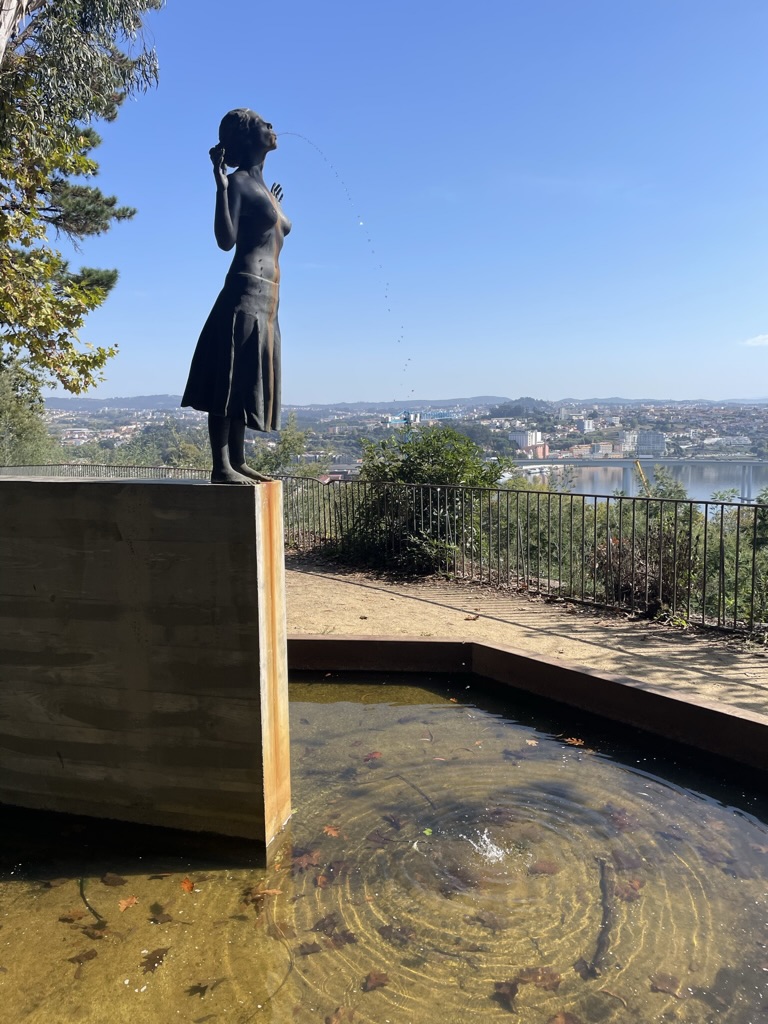
And now, here are some random photos from my walks:

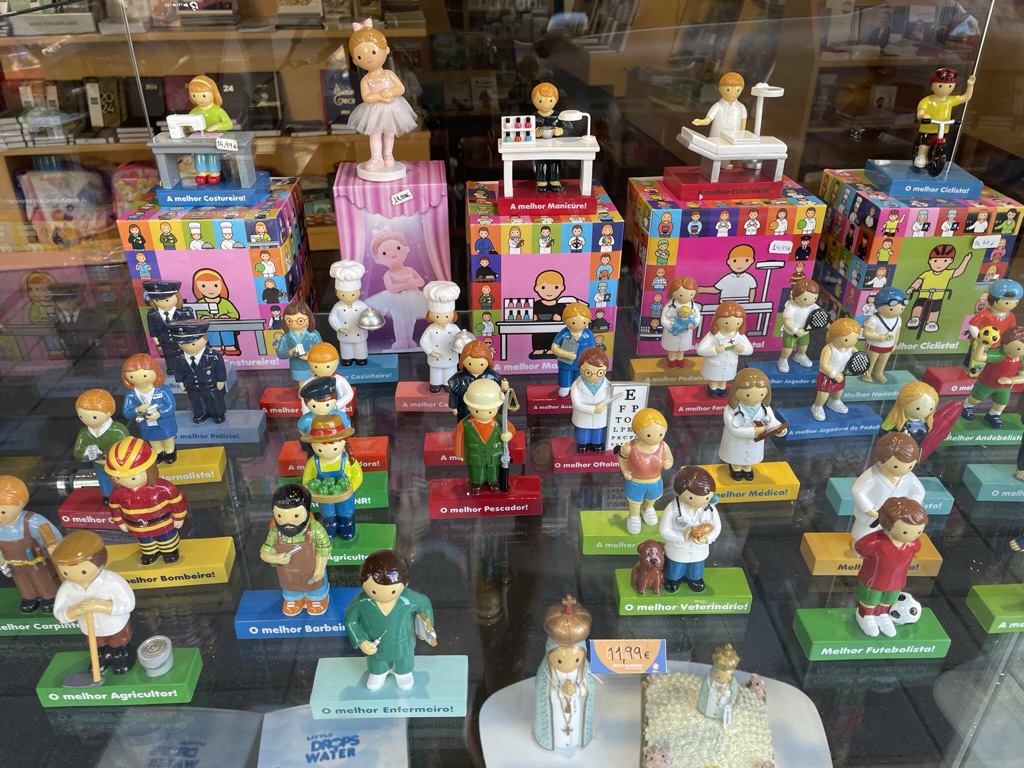

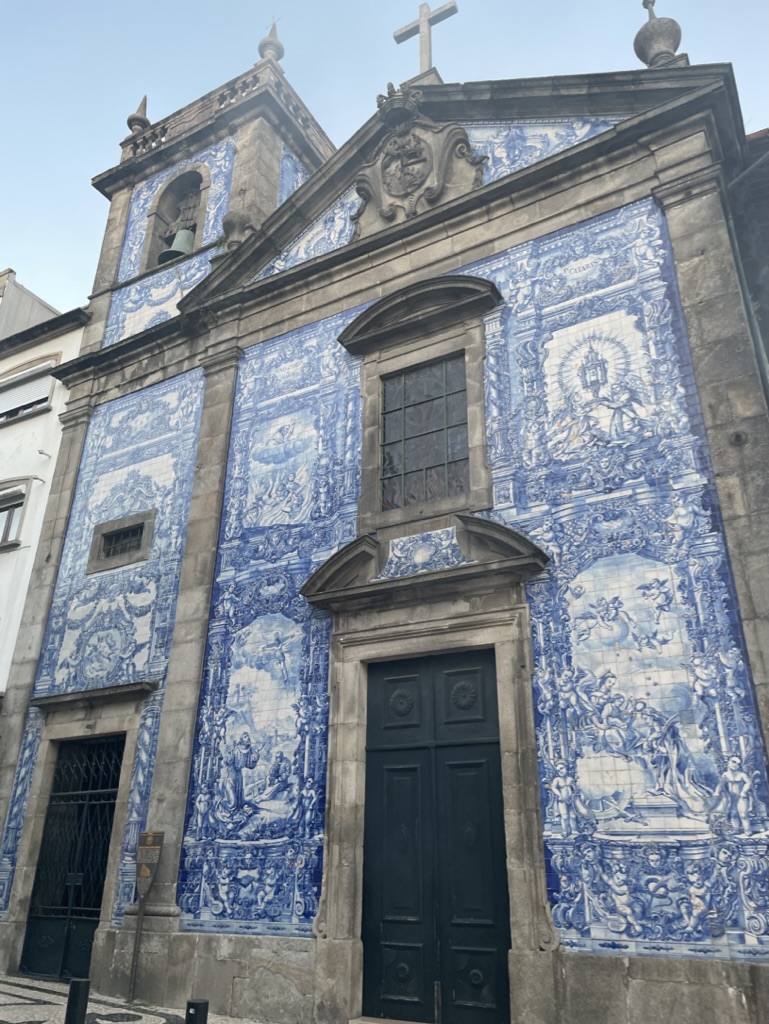
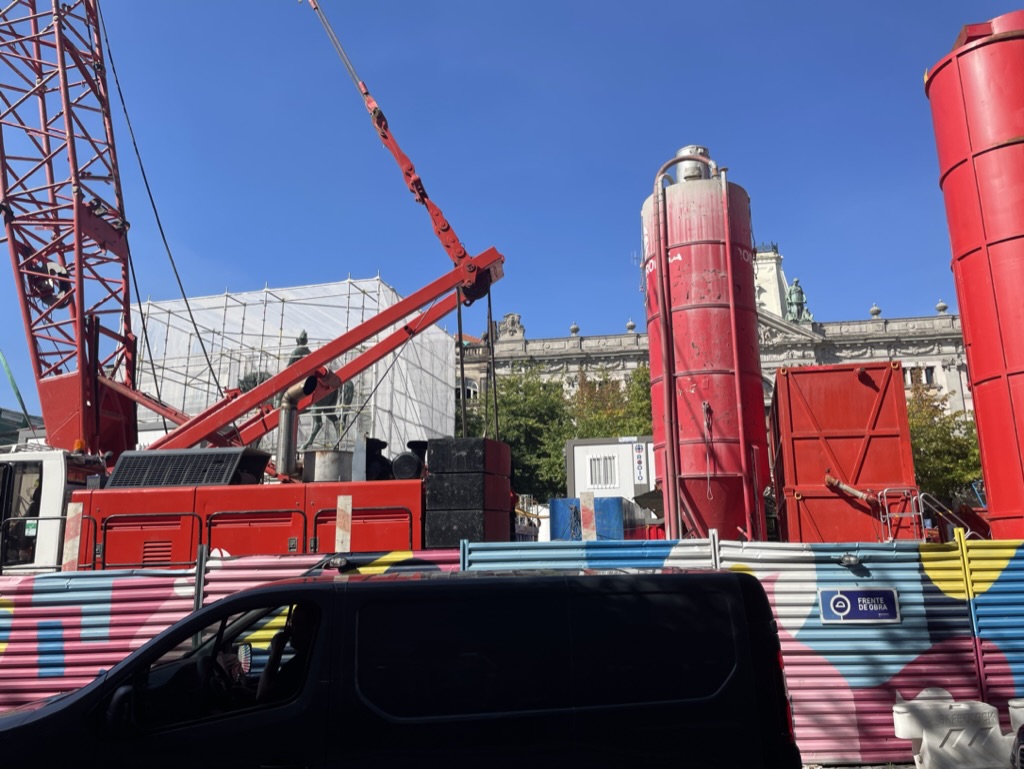
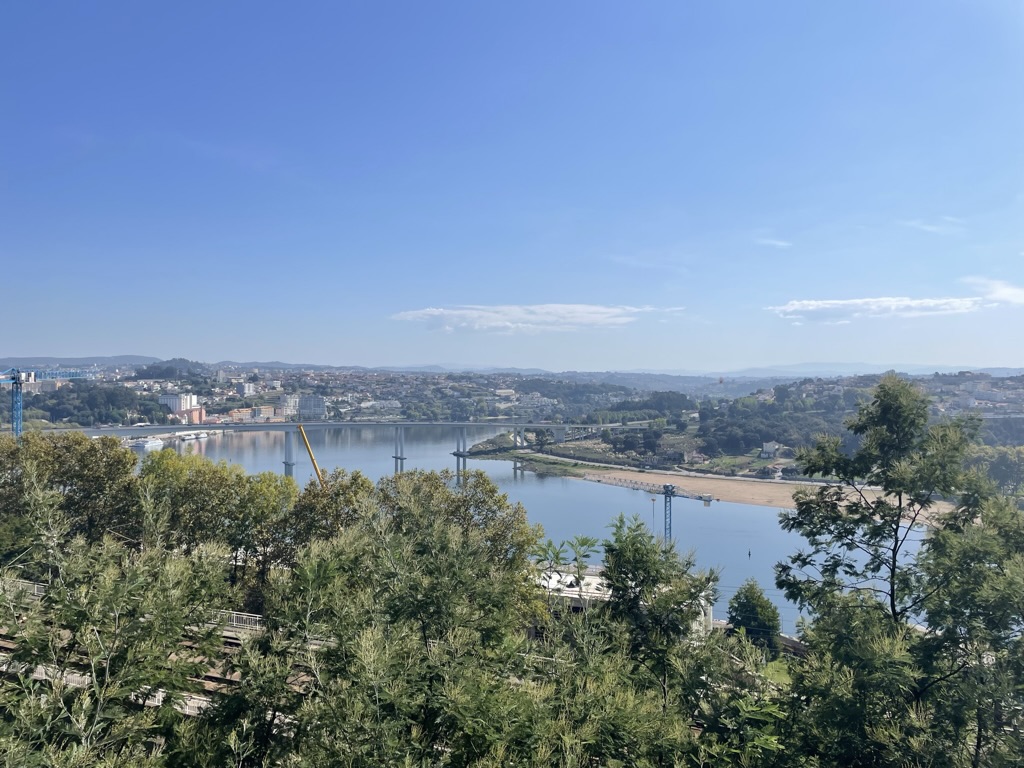

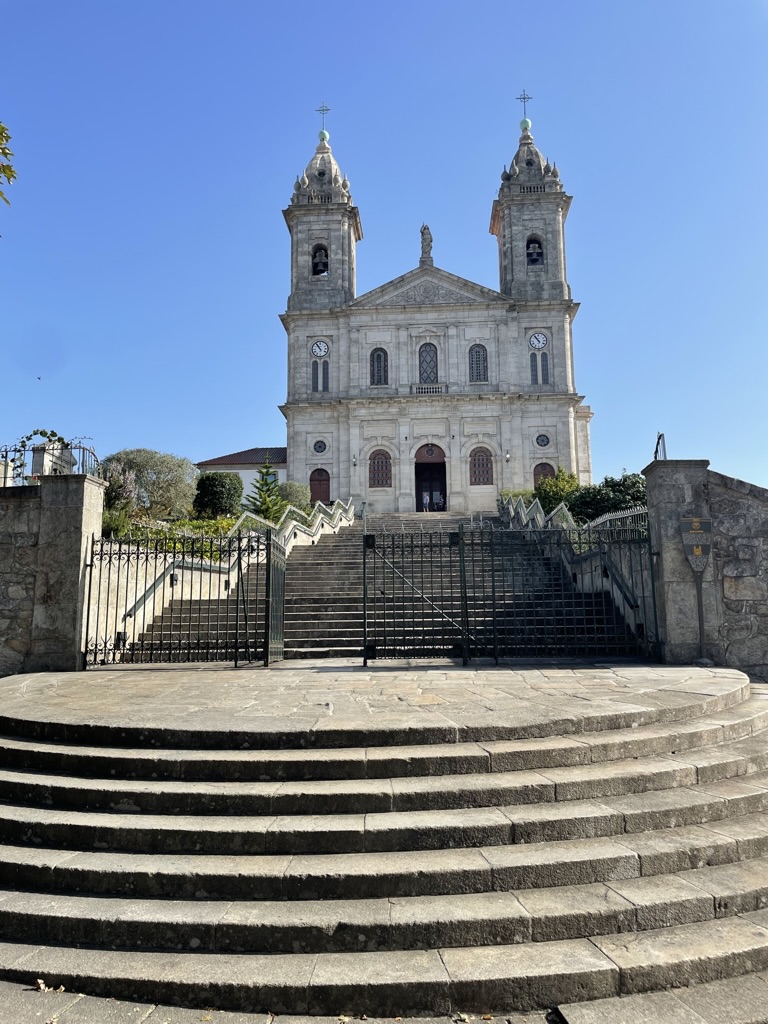
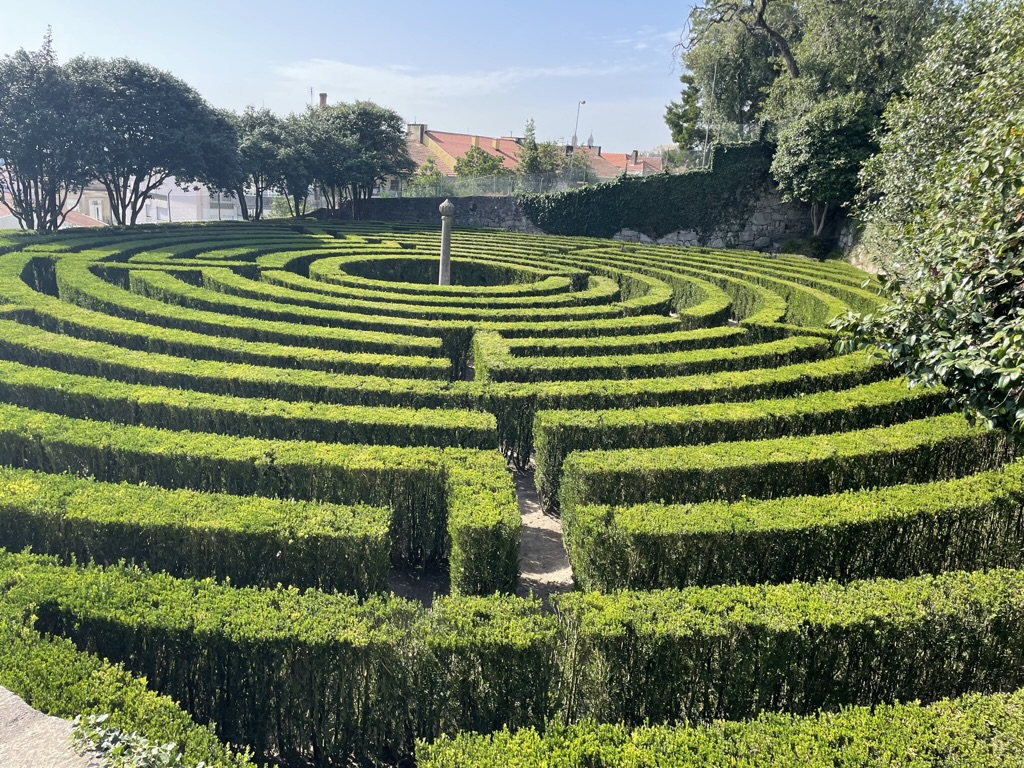
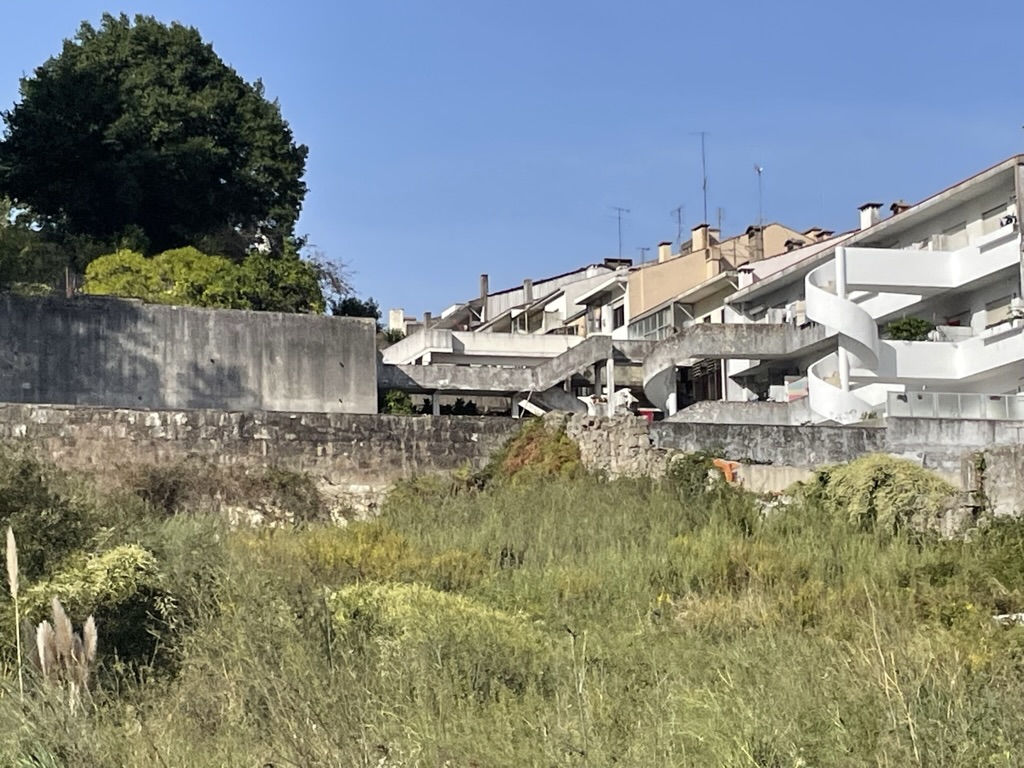


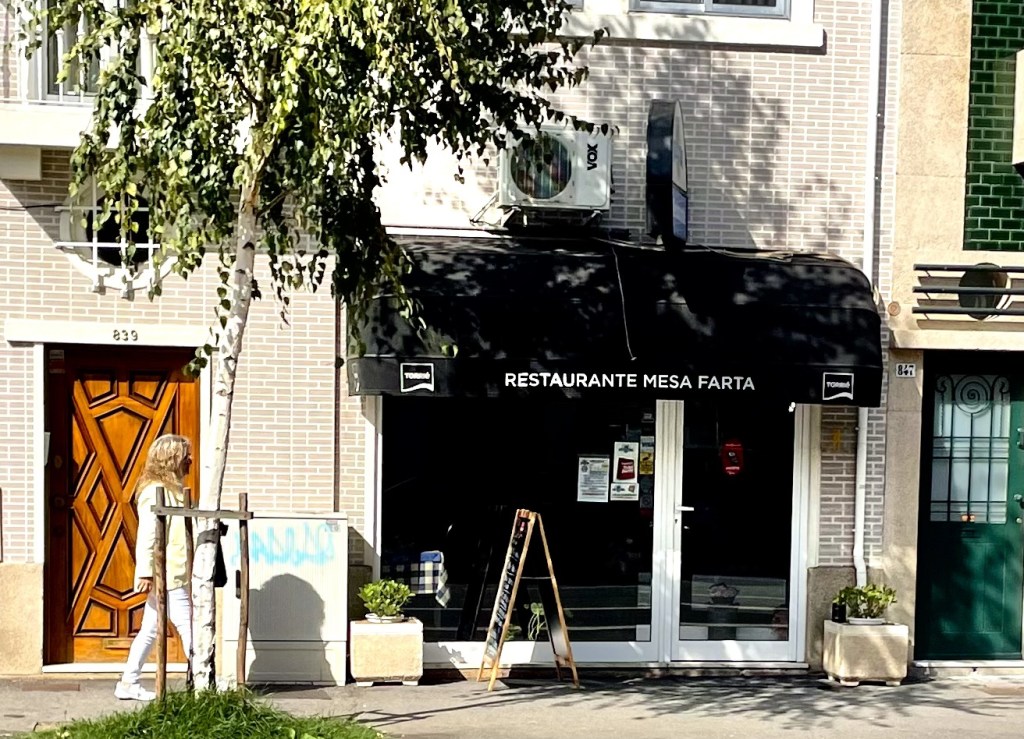
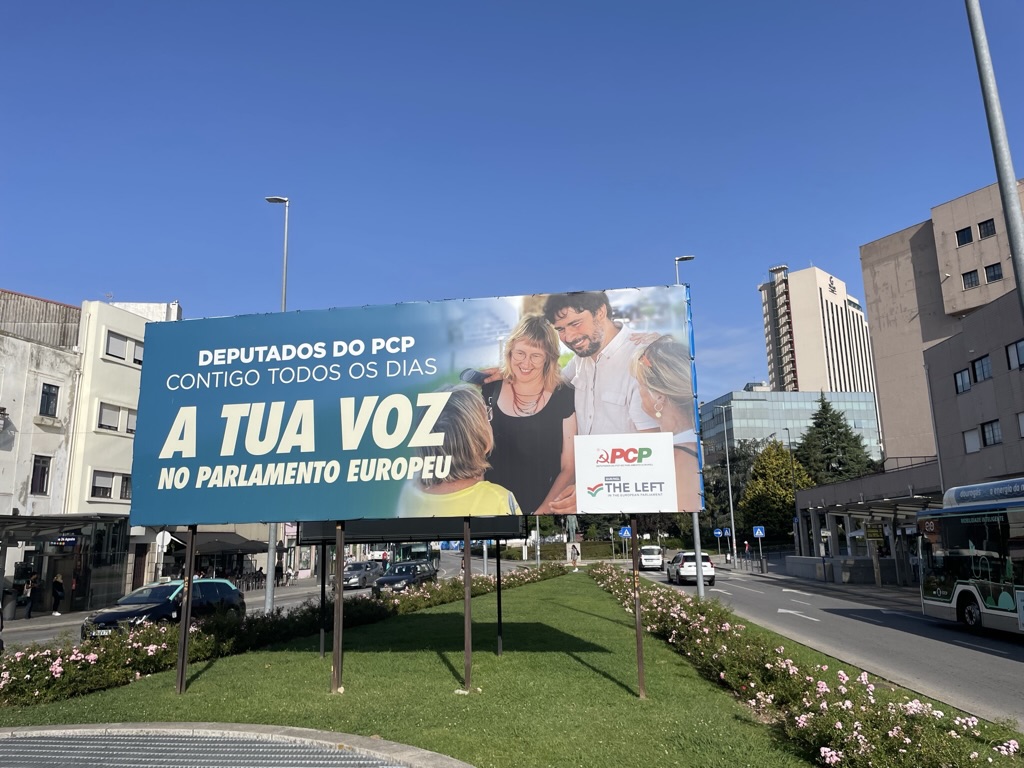
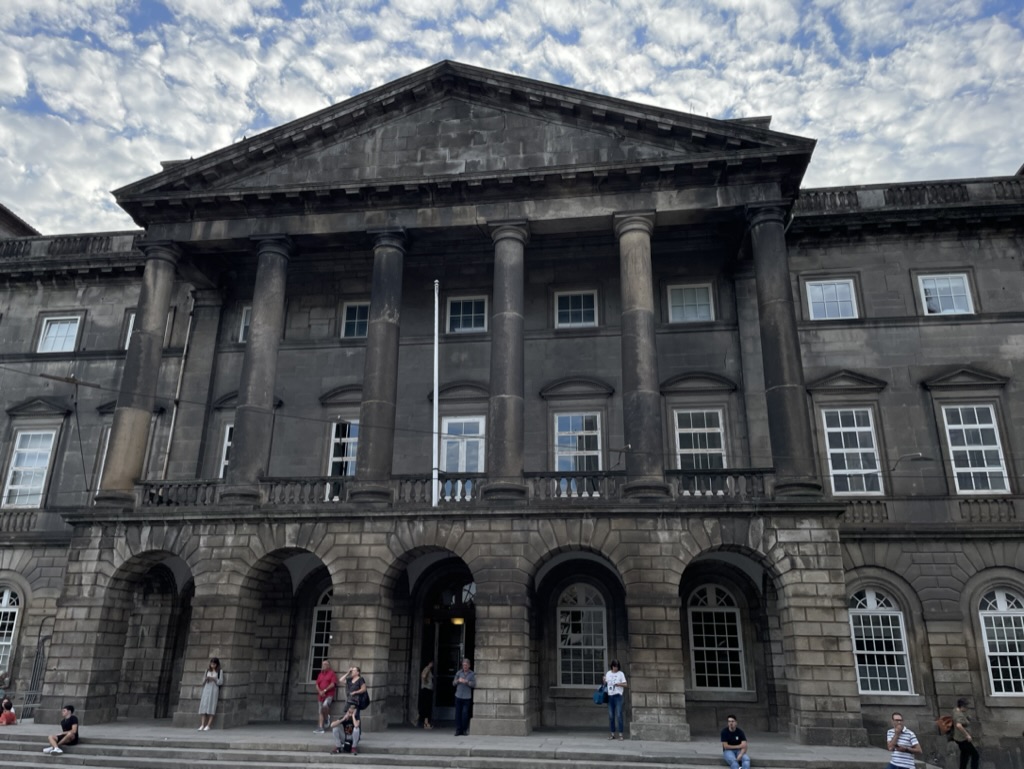
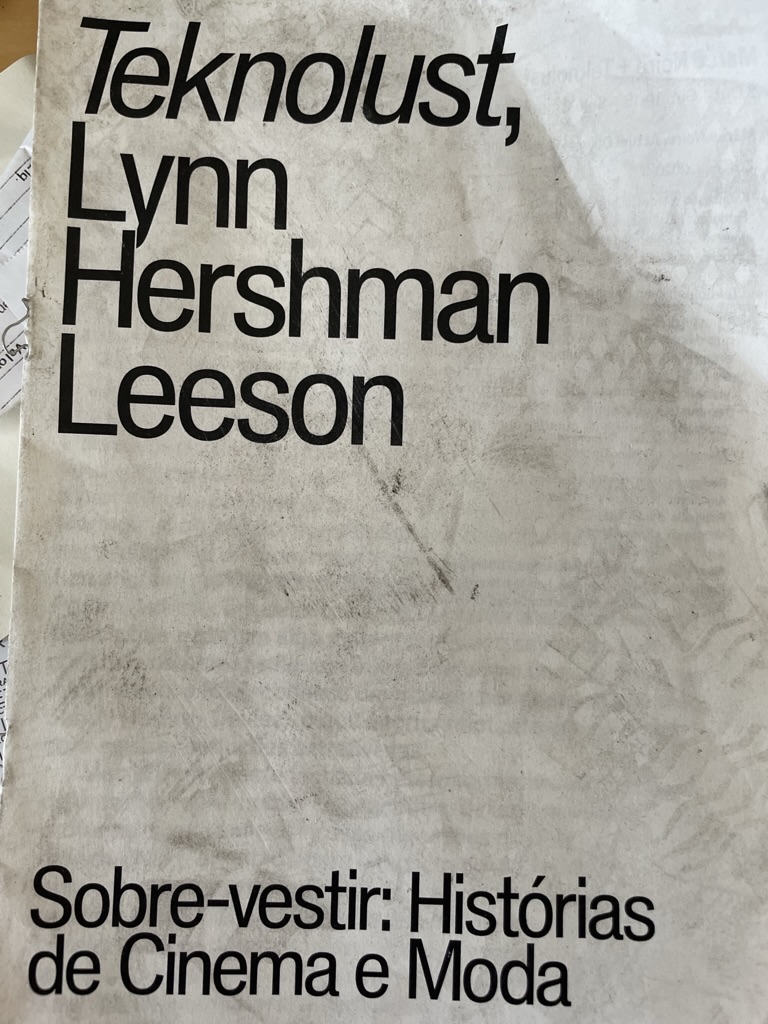
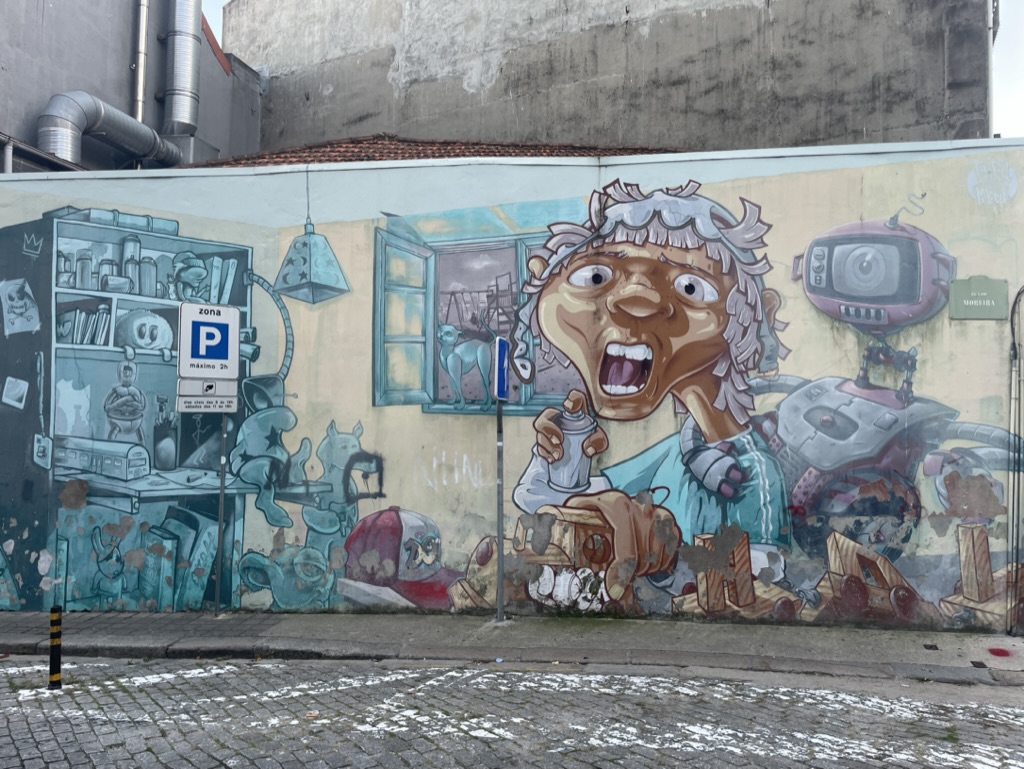
Back in Portland, Denise is doing great work getting our son settled and she’s planning on returning early next week. I’m excited to show her the unique parts of Porto that I’ve discovered while she was gone. Of course, the rainy season will start soon, so we’ll have to wear our raincoats, but at least the bulk of the tourists will be driven away, clearing the sidewalks for our explorations. Until then, bom dia!
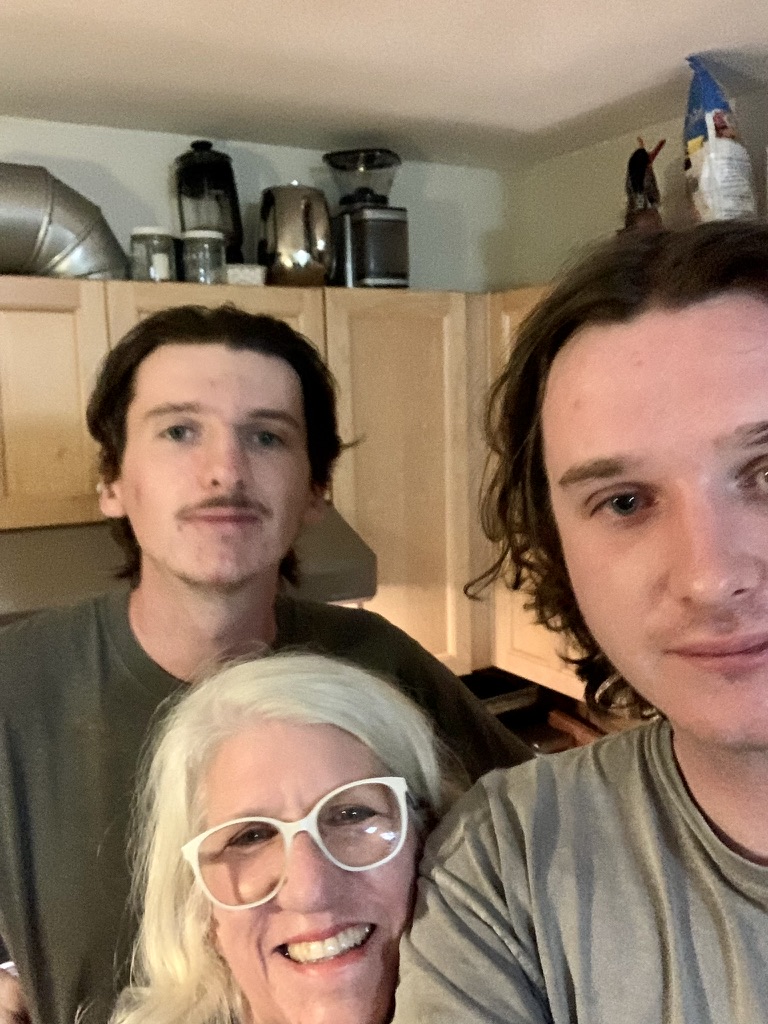
 Calculating Route...
Engaging post as usual Steve. Thanks for showing both the sublime and the mundane of Porto.
<
div dir=”ltr”>
<
blockquote type=”cite”>
LikeLiked by 1 person
Thanks Tom. Let us know when you’re over this way
LikeLike
Really interesting post Steve! Love to all of you.
LikeLiked by 1 person