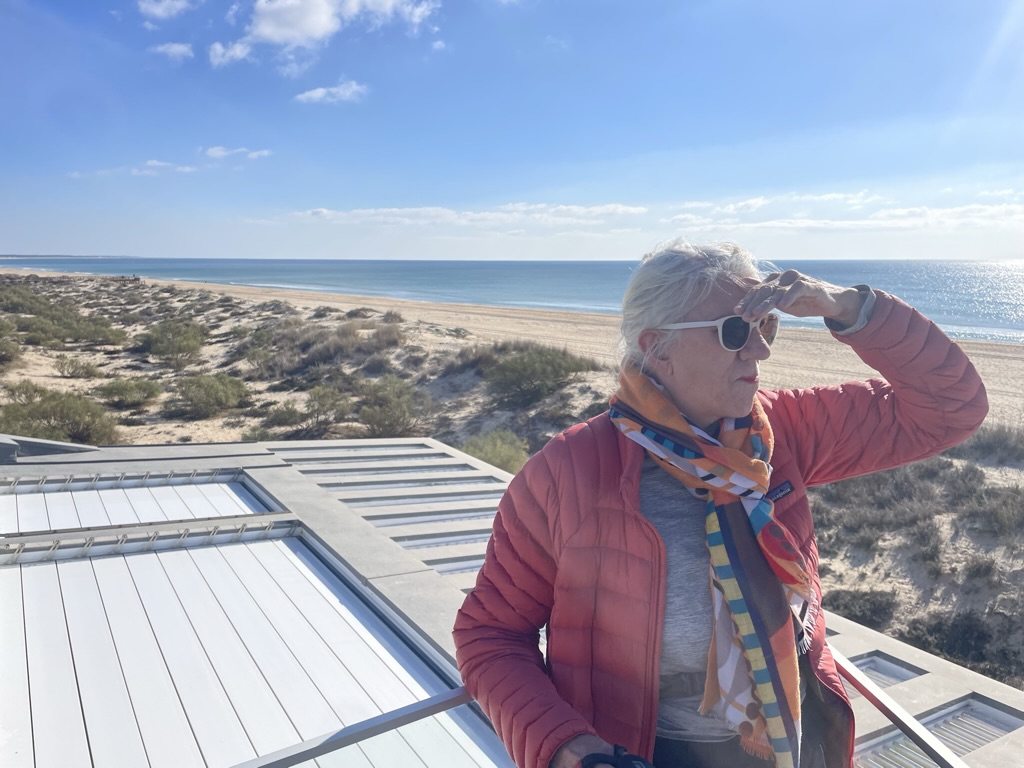
Greetings from Portugal on this Restoration of Independence Day (observed). As I write this, all the stores here are closed to celebrate their independence from Spain in 1668. The two countries seem to be getting along fine now, however, as there’s lots of traffic back and forth over the nearby international bridge, especially when one country is shut down for a national holiday. I notice that the gas is about ten cents per liter cheaper (almost 40 cents per gallon) on the Spanish side, thanks to lower taxes, and I think a lot of people in this part of Portugal make the drive to save that money — also to stock up on ham and Spanish wines. It helps keep the peace.
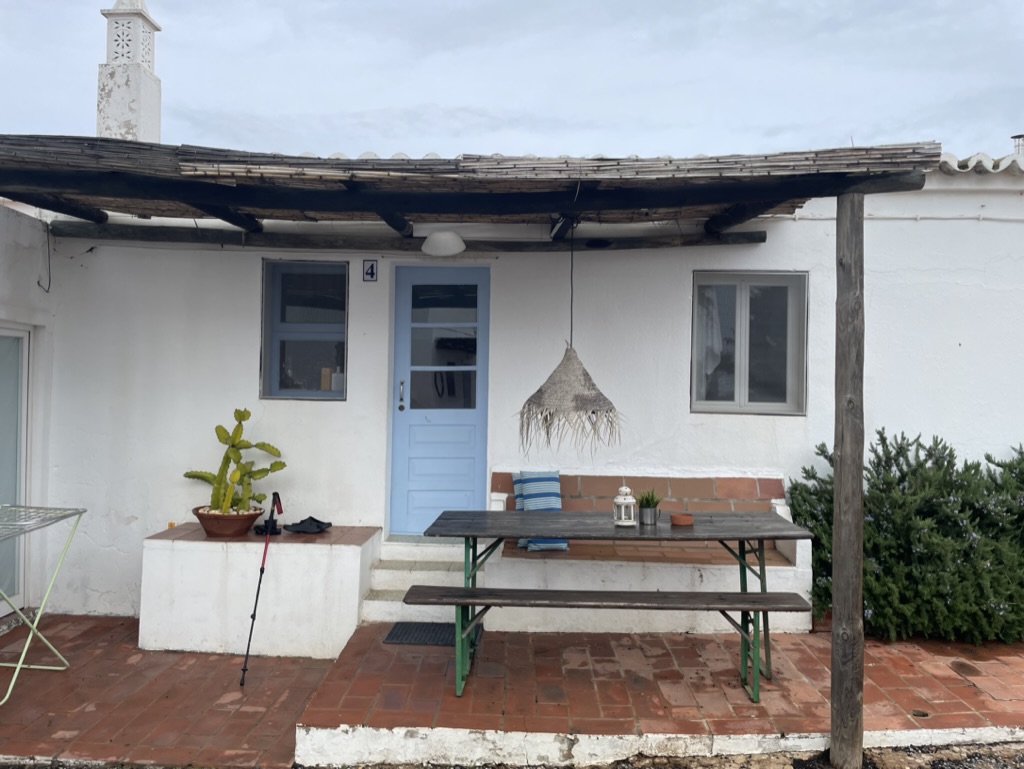
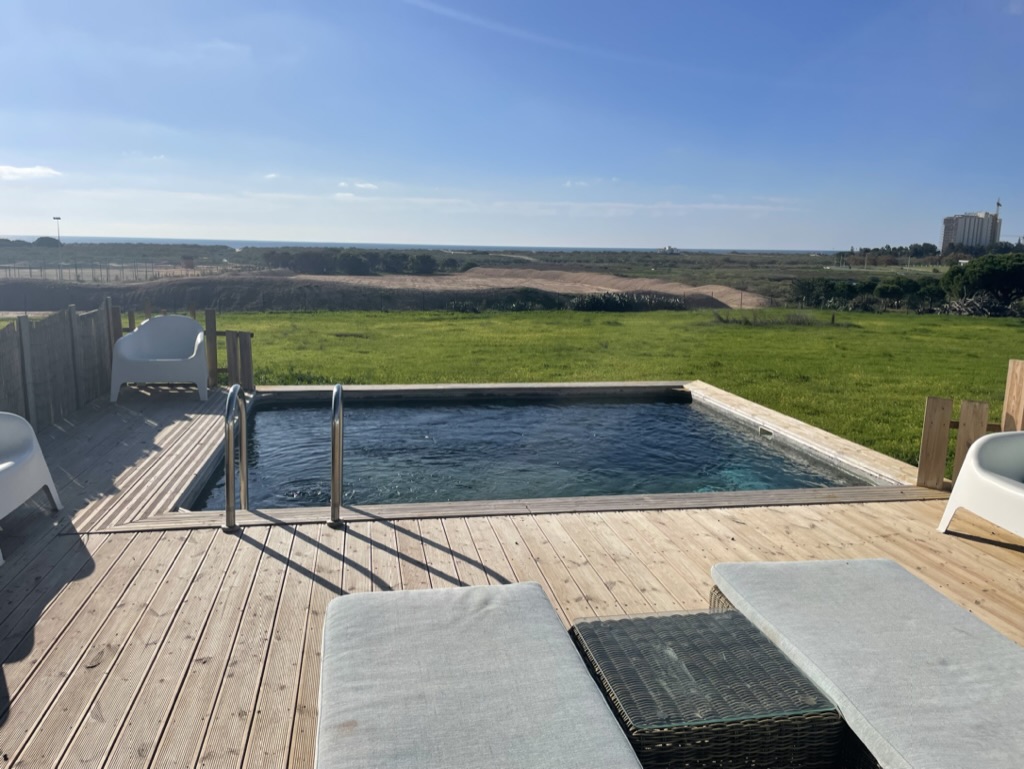
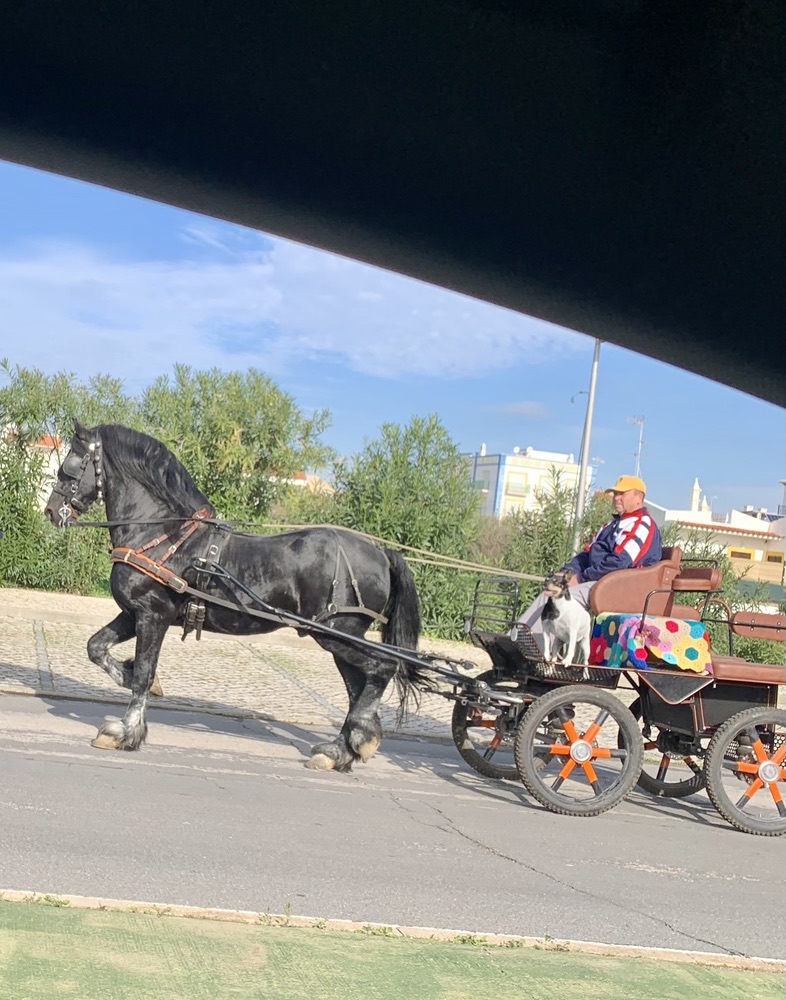
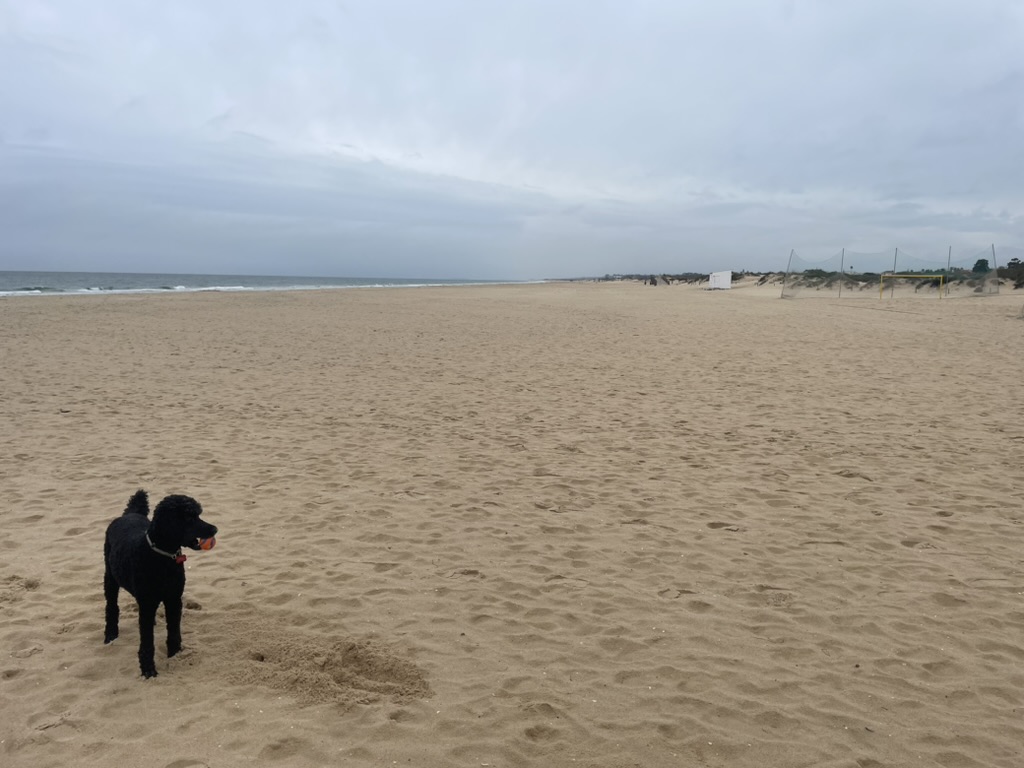
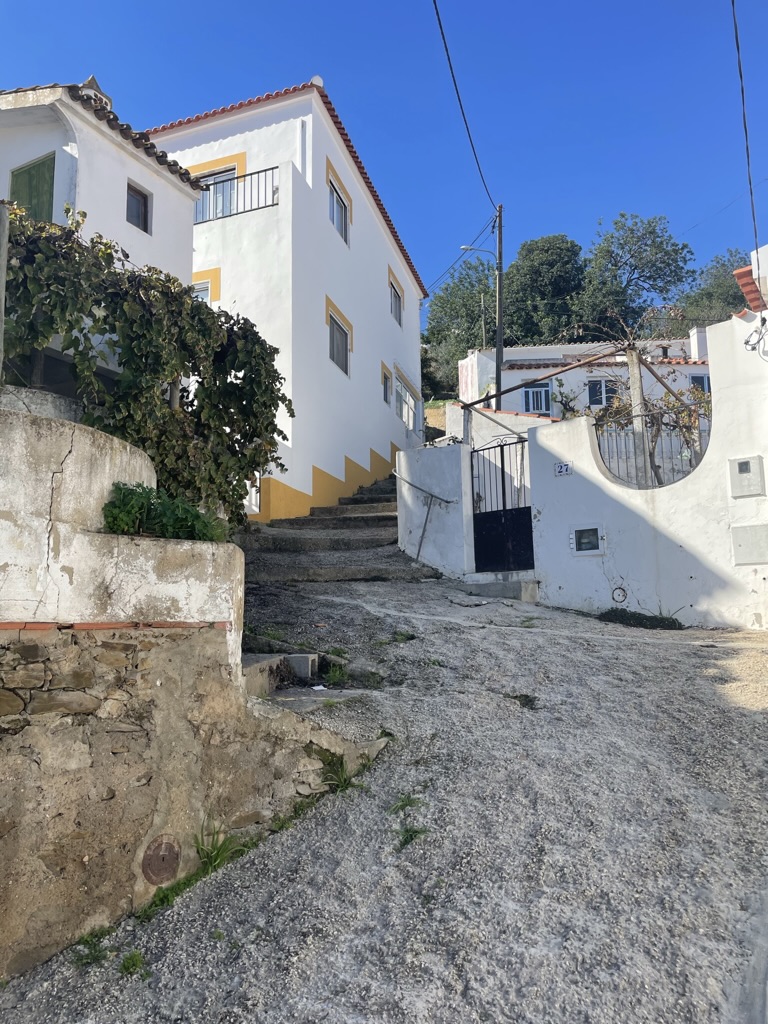
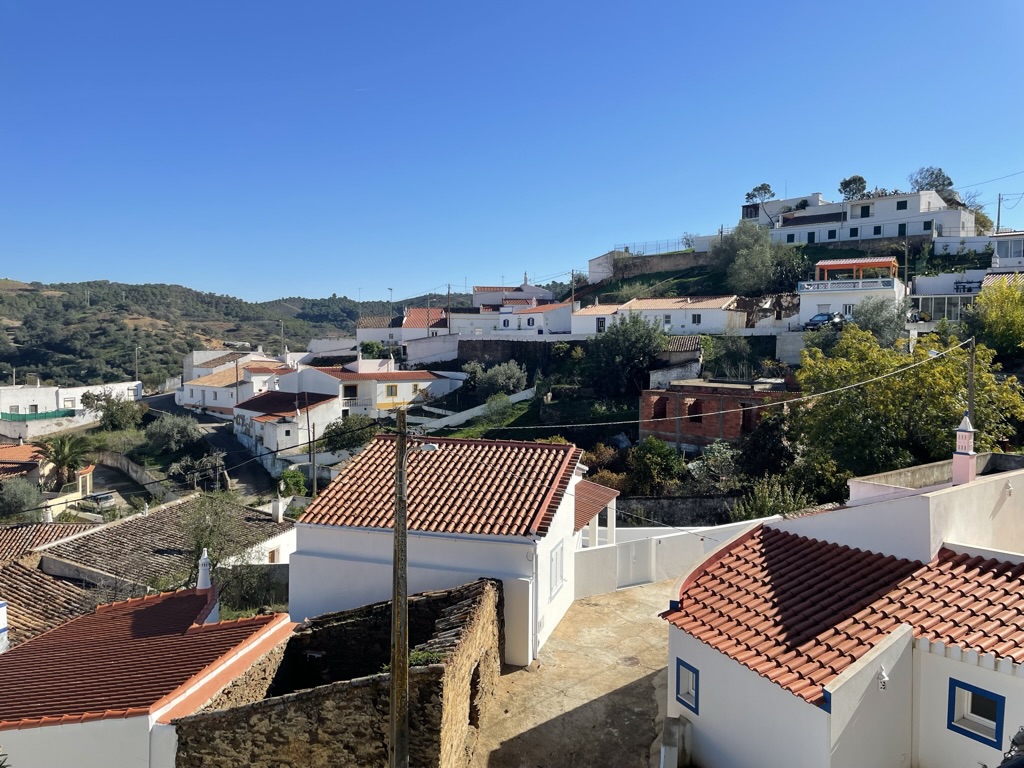
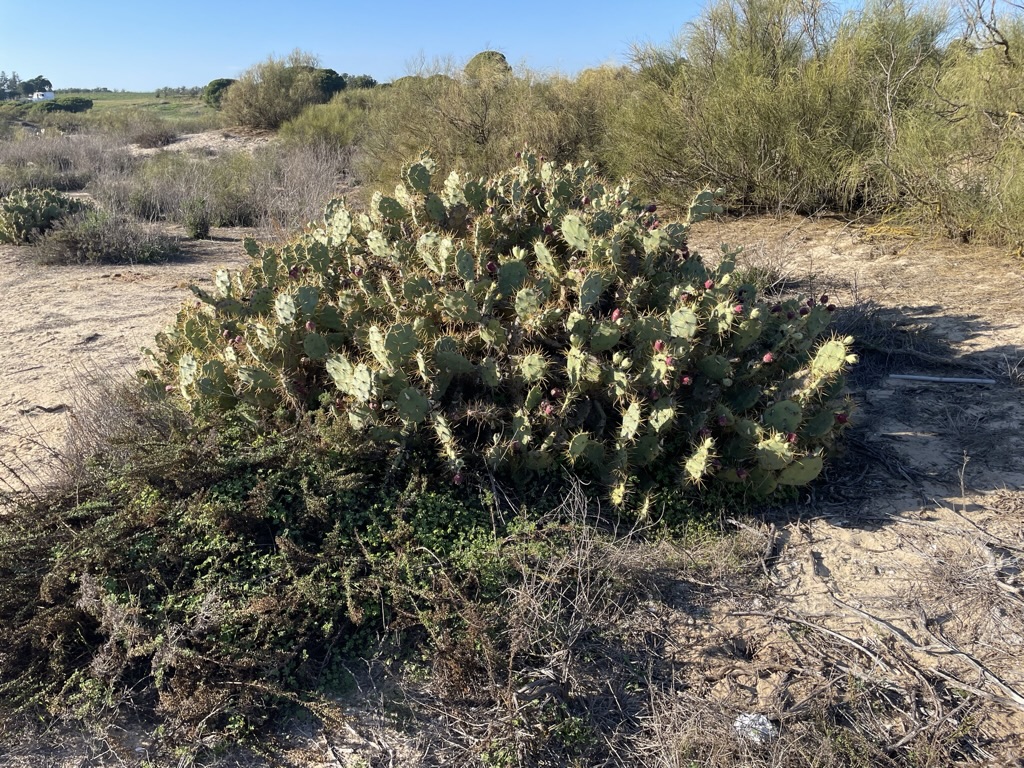
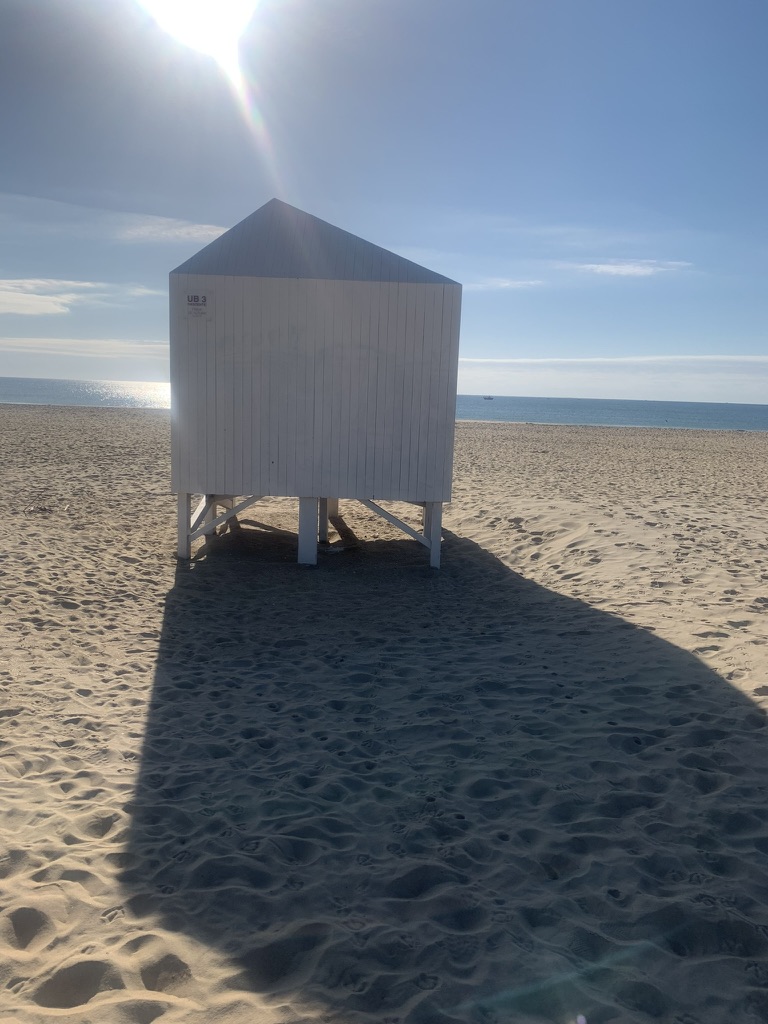
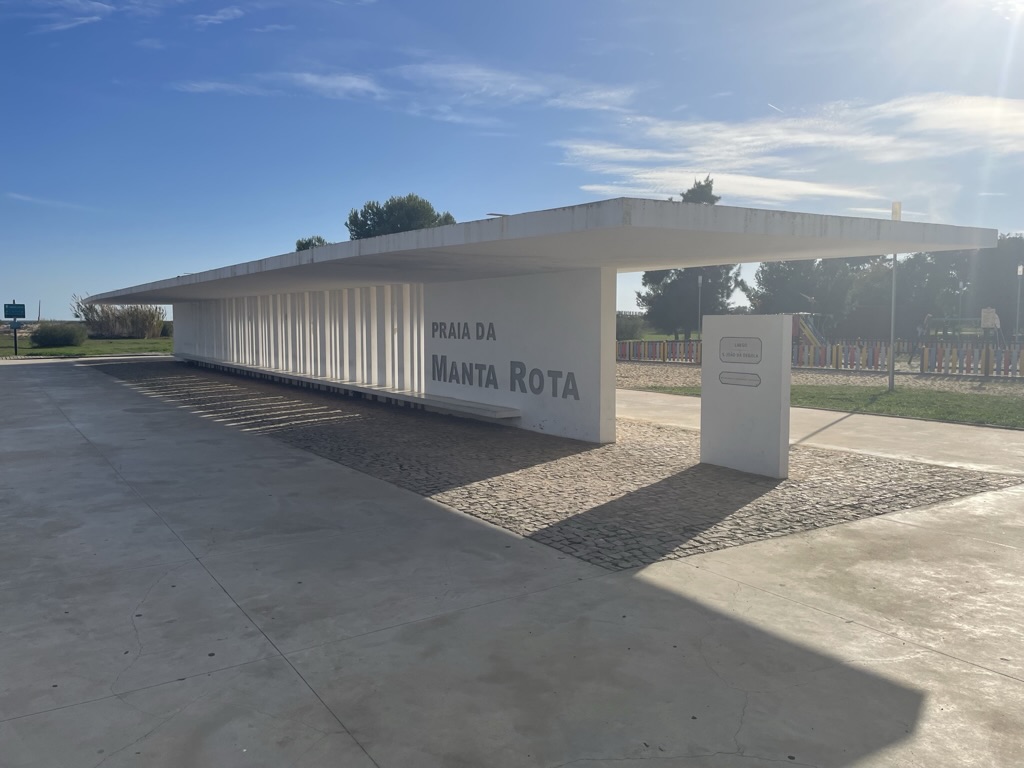
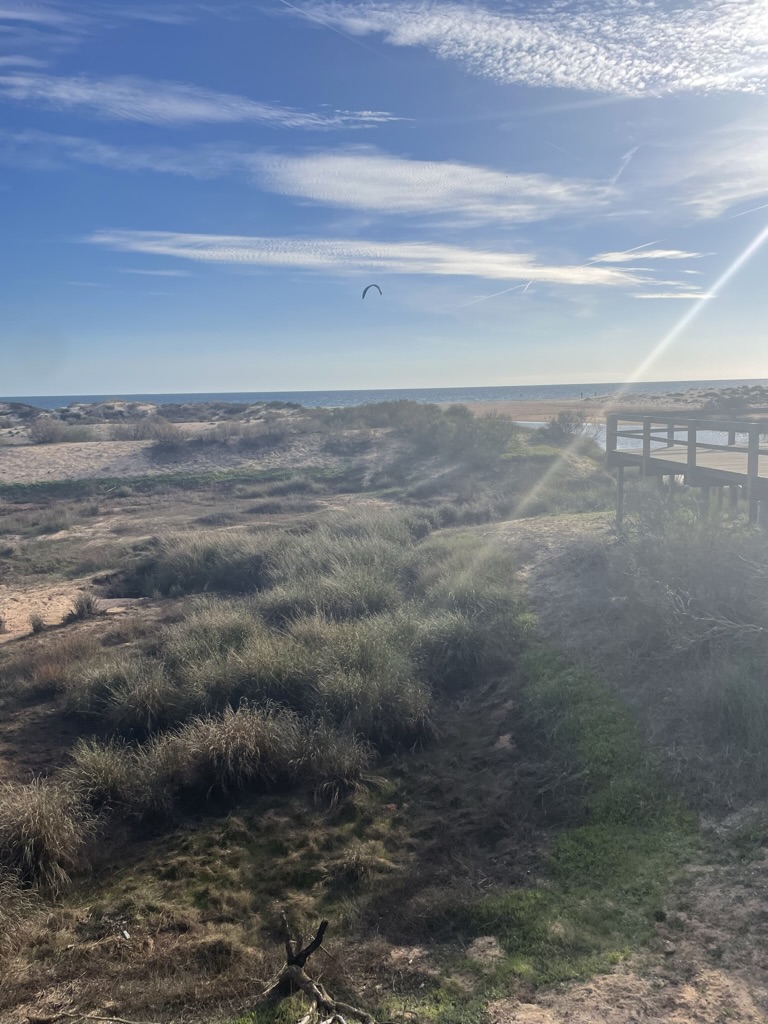
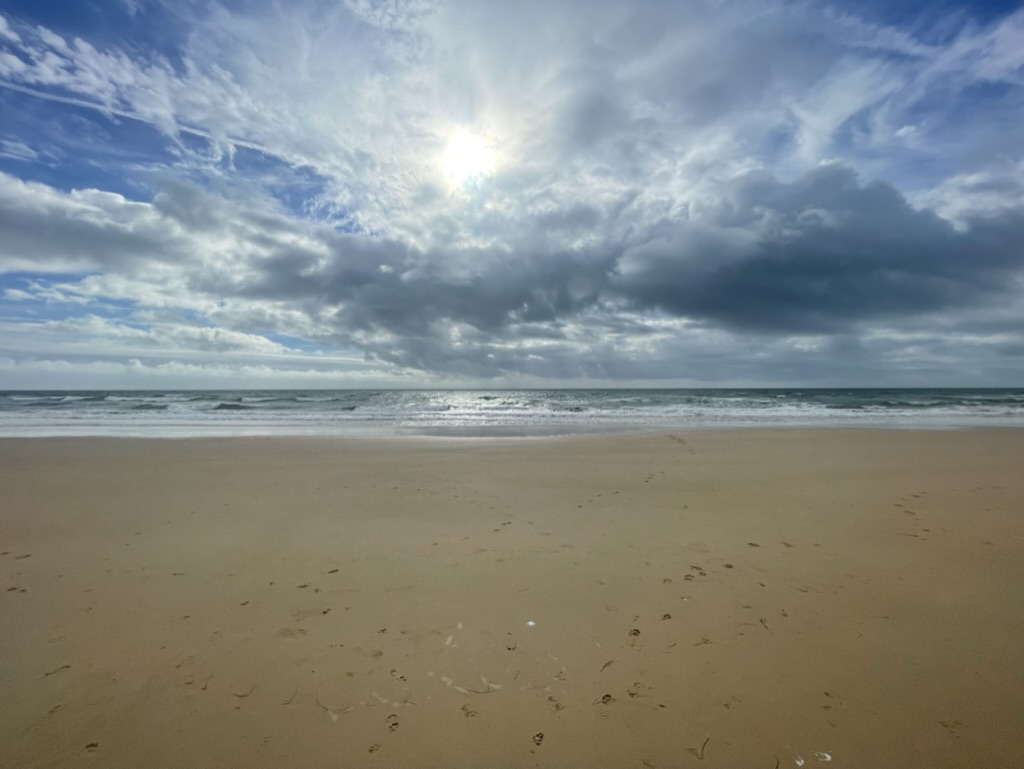
It’s a funny feeling to be living in a beach town in the offseason: almost all the businesses here in Altura are shuttered, save for the cafes serving the locals their morning espresso and/or beers. Like the Spanish — and the Italians and the French — the Portuguese can often be found with a glass in front of them at a time of day when most Americans are still finishing off their pumpkin spice lattes. Some other charming small-town scenes we’ve enjoyed include a farmer who places his horses out to pasture in various fields each morning and then gives his family horse-and-wagon rides around town in the evening and, on weekend afternoons, a bunch of South Asian guys who get together in the soccer field near our house to play a lively game of cricket. The best part of being here is, of course, the nearly-empty beaches, and we spend a lot of time walking in the sand. The holiday brings out some people but, on most days, we can count the number of fellow beachgoers on both hands.
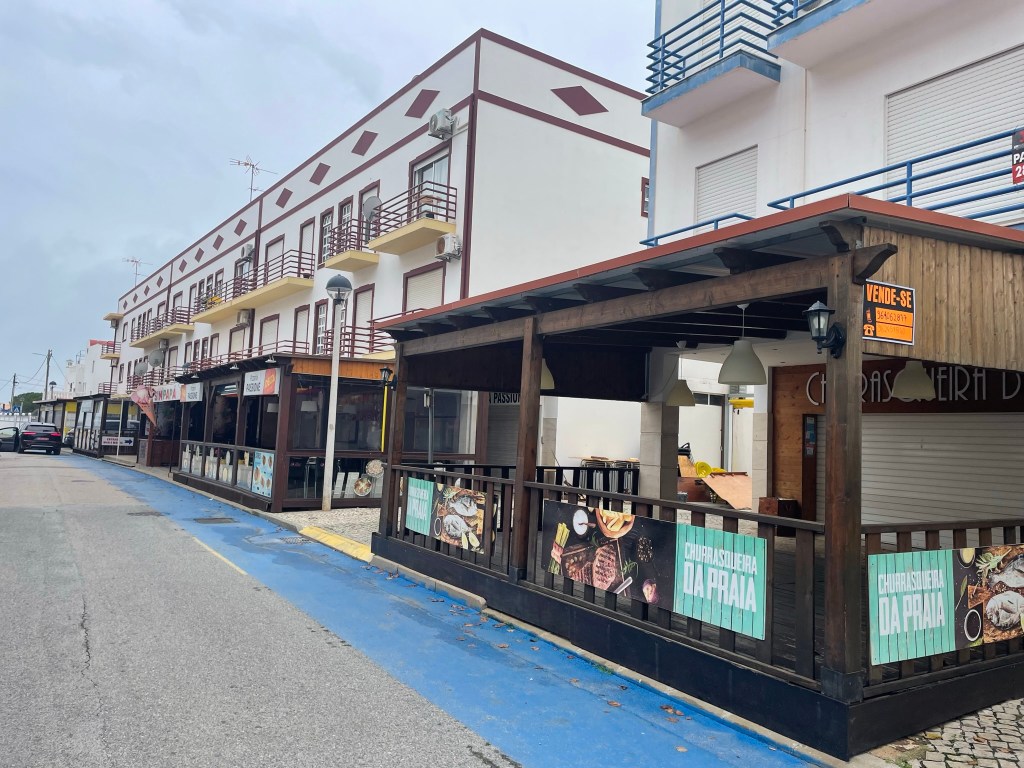

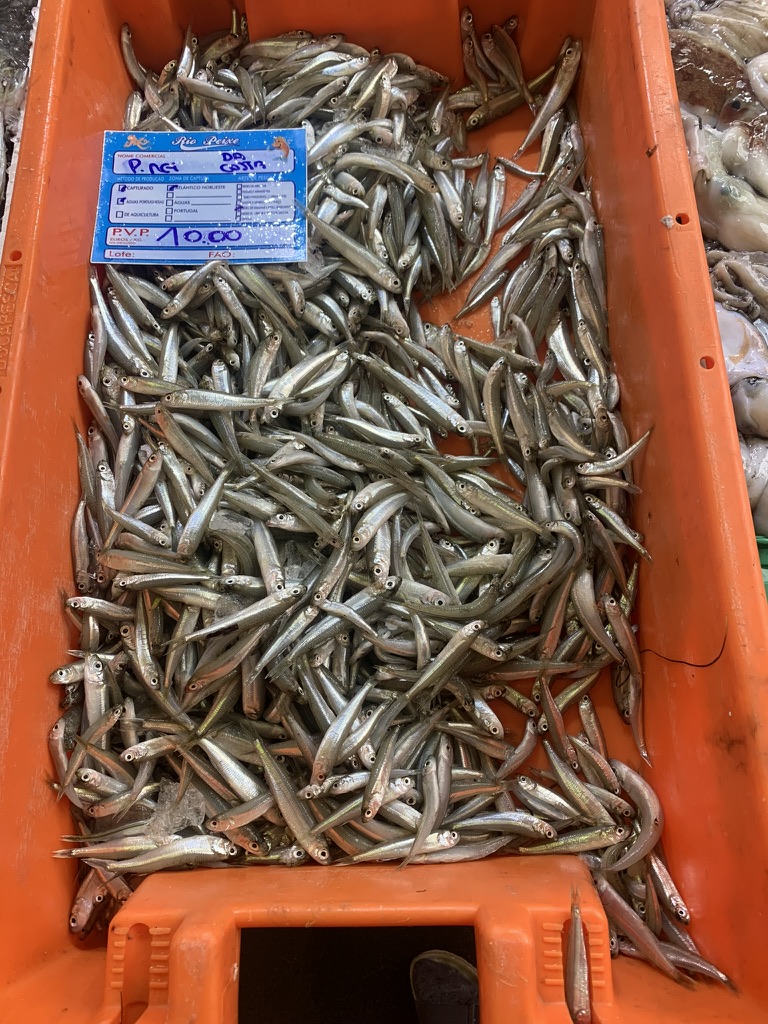
Most of the tourists have gone back up north to Lisbon and Porto or returned to England and Germany. Our compound is currently populated by two telecommuting single ladies, one from Hamburg and one from France; an elderly couple from the north of Germany who ride their bikes everywhere; John, the only other American; and a newly arrived Austrian couple with a couple of dogs of their own. We’ve also made friends with Olaf and Lorraine, a German-South African couple we met on the beach who now live full-time in Ayamonte, the first town over the bridge in Spain. All of this Teutonic influence makes it easy for me to practice my faded high school German and the people are very patient with me.
After Reilly went back to Portland, we both felt a bit blue: he’s such a fun kid to hang out with and we miss him and his brother quite a bit. I anticipated such feelings, especially around our first winter holidays away from home, but I was surprised by how much the thought of our boys tugged at my heart. To help shake our ennui, we took a road trip up to the rural area north of our town, an area filled with dams, reservoirs, and hiking trails. None of the trails panned out for a hike so we just pulled into the charming small town of Odeleite and had a picnic lunch in the village square. The countryside is hilly and the vegetation is mostly desert scrub brush, but there are lots of attractive long-distance views of the Atlantic Ocean, about 14 miles south. Later, we stopped at an RV park located high on a hill, overlooking both the ocean and the Guadiana river, and marveled at the range of camping vehicles, from simple VW vans to enormous land yachts with their own solar power units. We sipped our espressos at the café and discussed whether that was the lifestyle for us. No, it wasn’t, we decided and got back in the car.
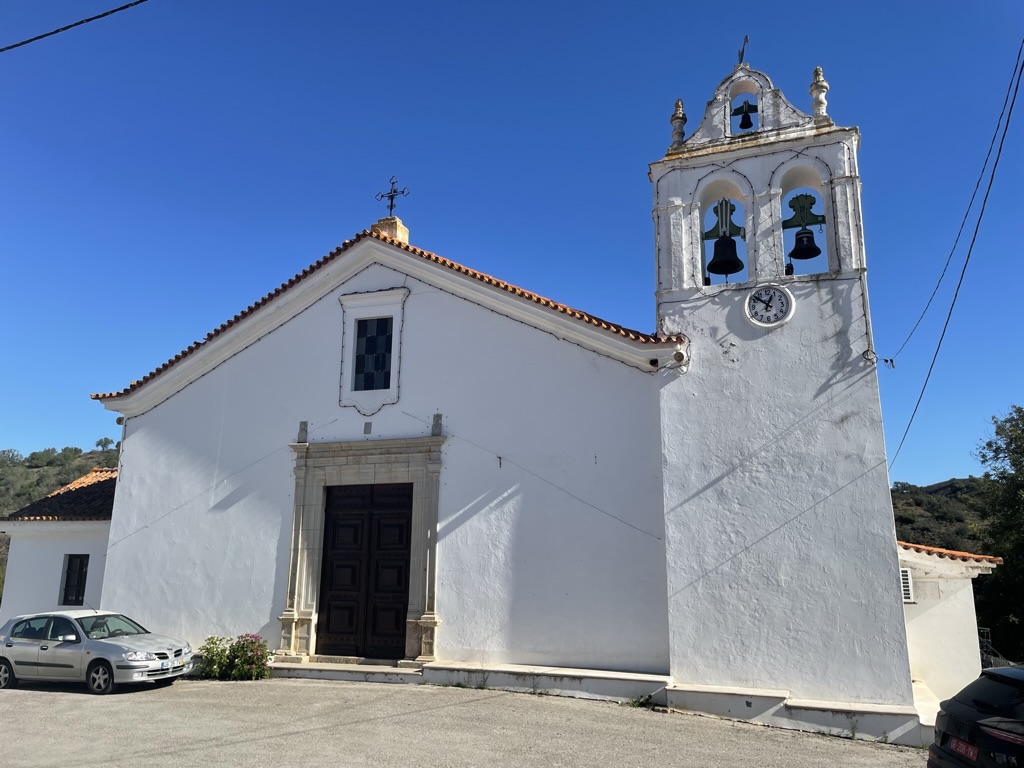
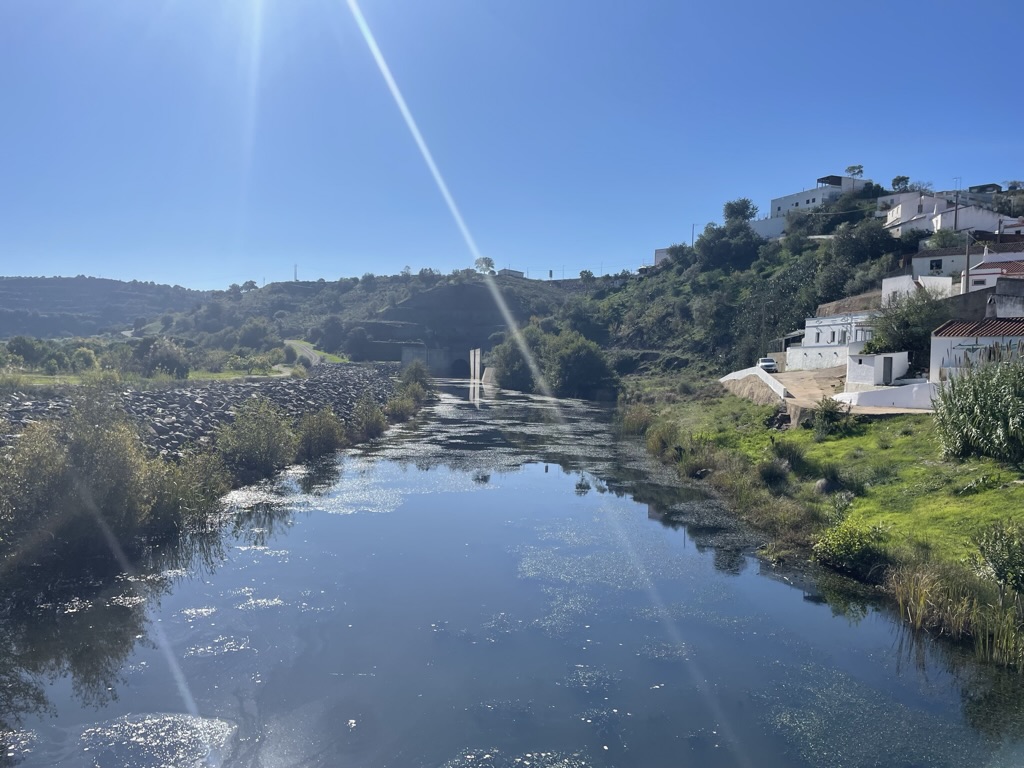
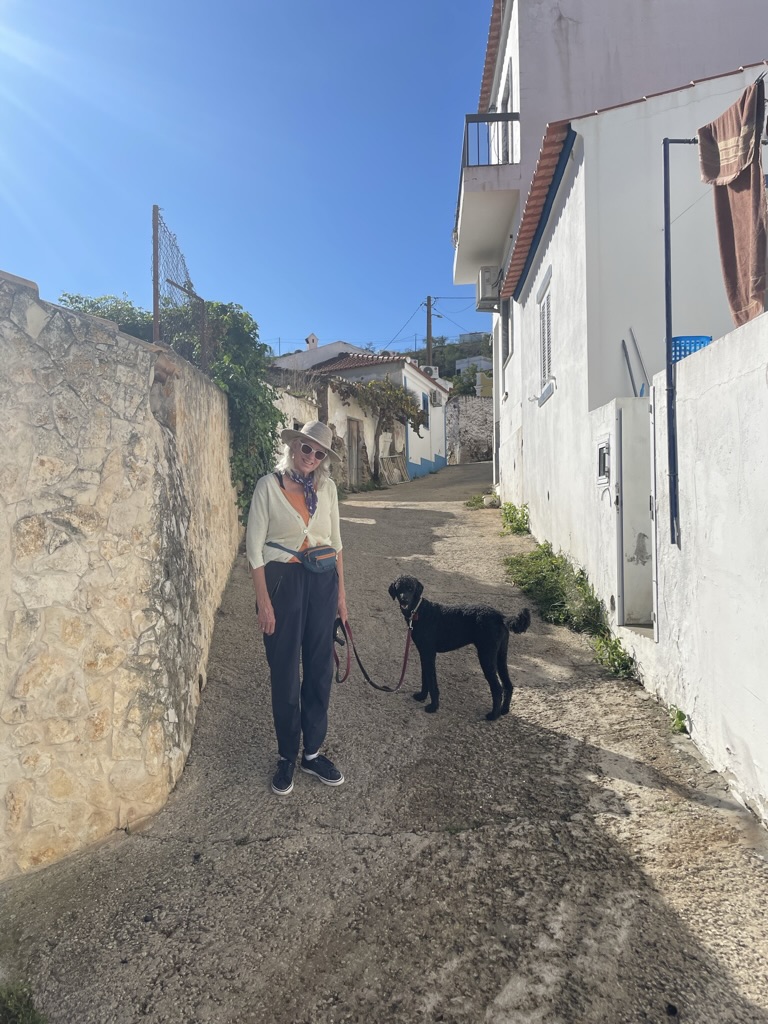
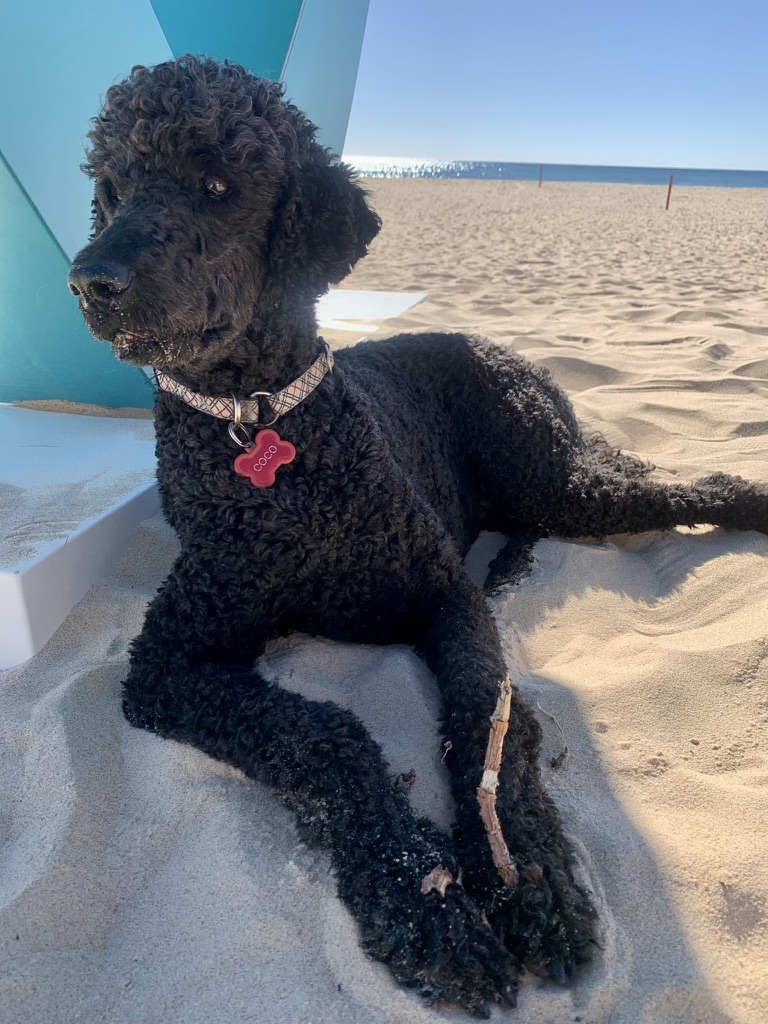
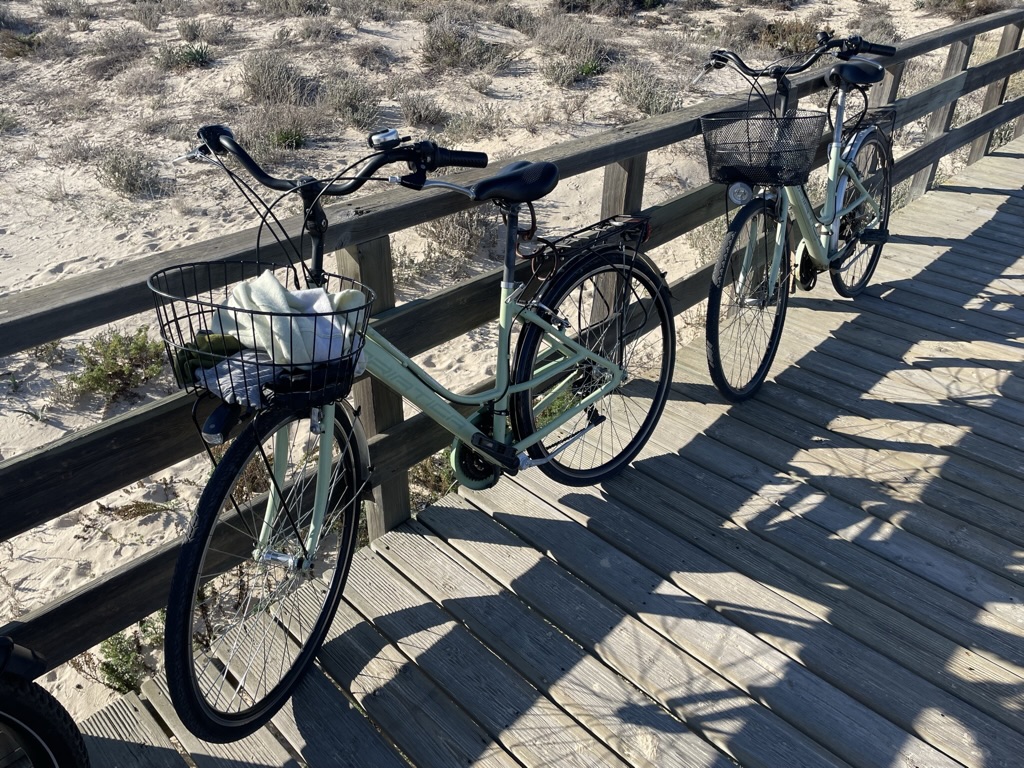
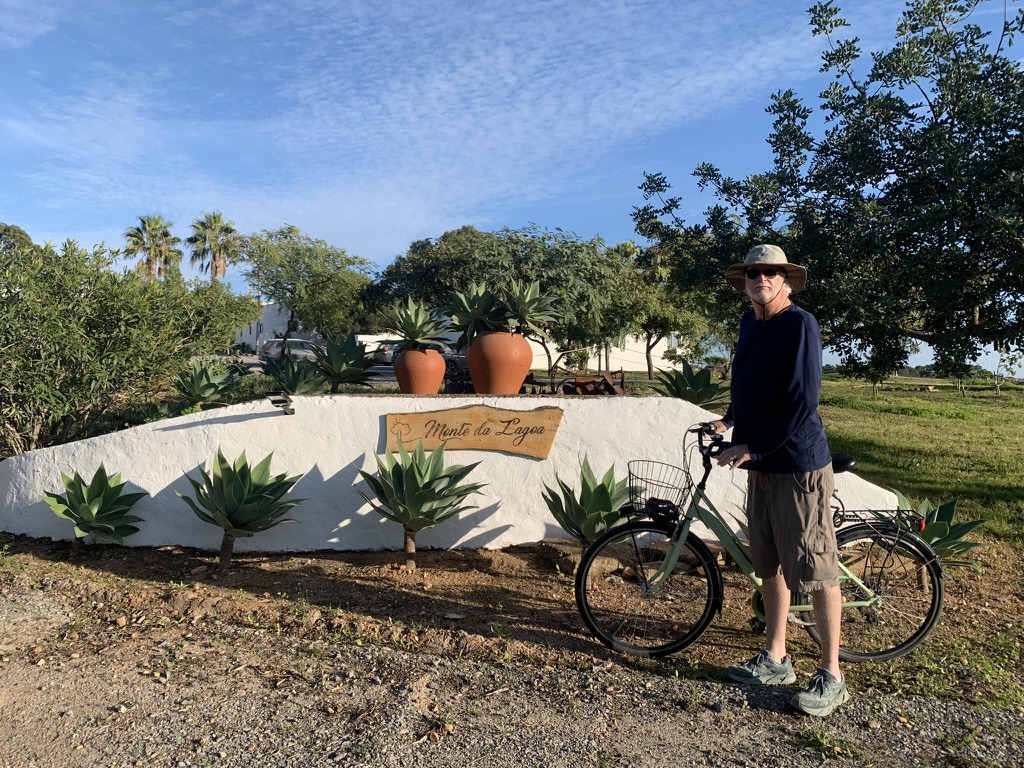
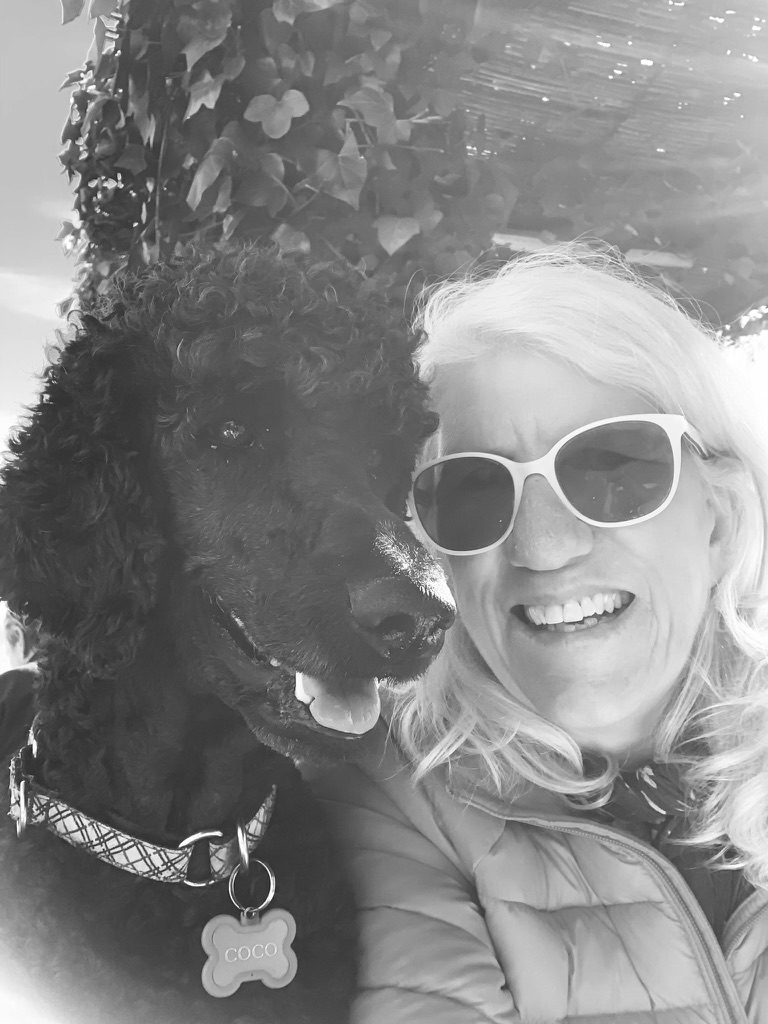
The weather has turned a little colder and wetter, a marked change from the warm and sunny days of our first few weeks here. However, it mostly rains at night, so we can still enjoy our walks on the beach. We decided to rent some bikes and so Pilar, our hostess, put us in touch with her rental connection, Angela, who set us up with two of the most poorly maintained bikes you could imagine but at such a low price that made it seem silly to complain. The ramshackle bikes allowed us to explore the furthest reaches of the boardwalk and the towns to the west, while never going fast enough to cause worry about their spongy, almost-nonexistent brakes. Of course, Coco had to stay home since the sight of us riding bikes drives her a little batty for some reason.
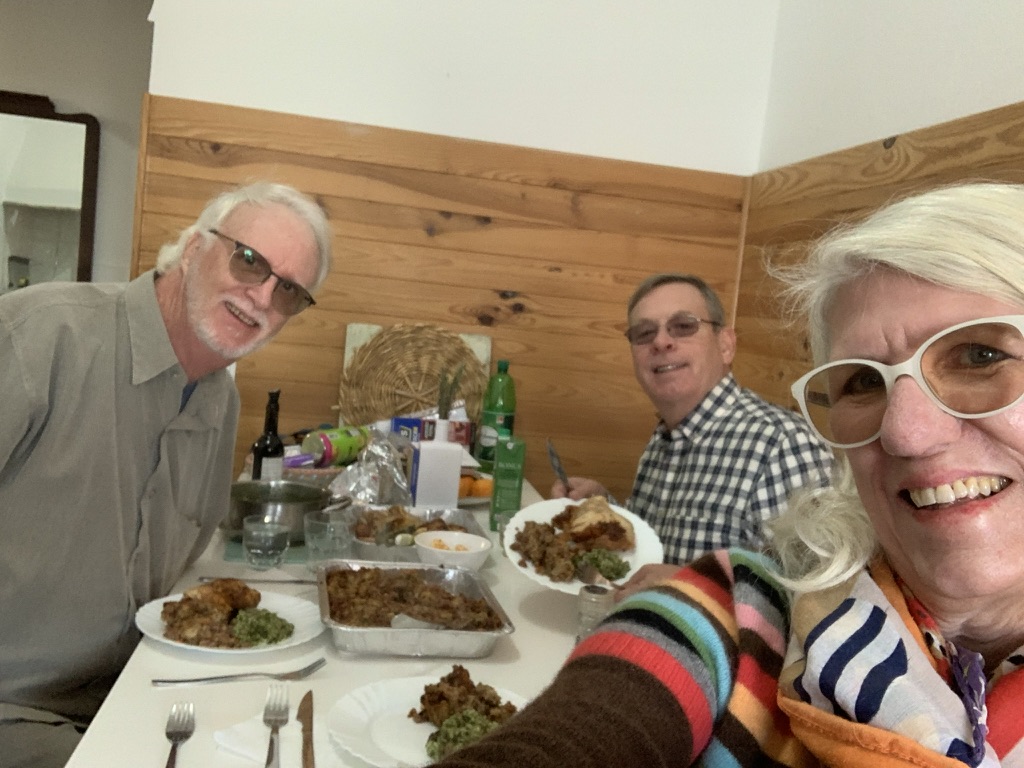
Shortly before Thanksgiving — or, as it’s known in Portugal, just another Thursday in November — we became friendly with John, the other American in our complex, and we made plans to celebrate together. John has been traveling for many years, most frequently in Brazil, and has even written articles for International Living, the magazine that helped inspire our current adventure. He teaches English as a second language online and he took some time to show Denise how she and I could do the same. Afterwards, we had an early dinner on the special day, featuring store-bought barbecued chicken, Denise’s famous stuffing, green beans, and a rice-and-beans dish from John’s native Louisiana. Neither of our kitchens were equipped to bake any pies so we made do with some dark chocolate for dessert. We finished the holiday with a lively zoom call with Denise’s extended family, most of them back in California.
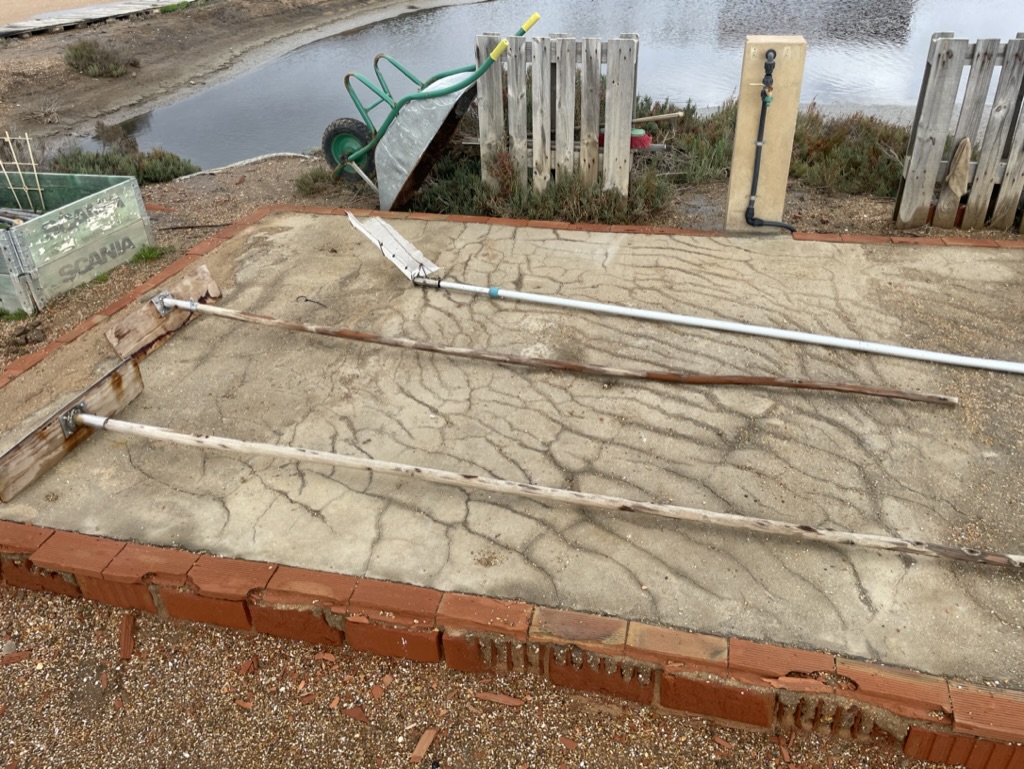
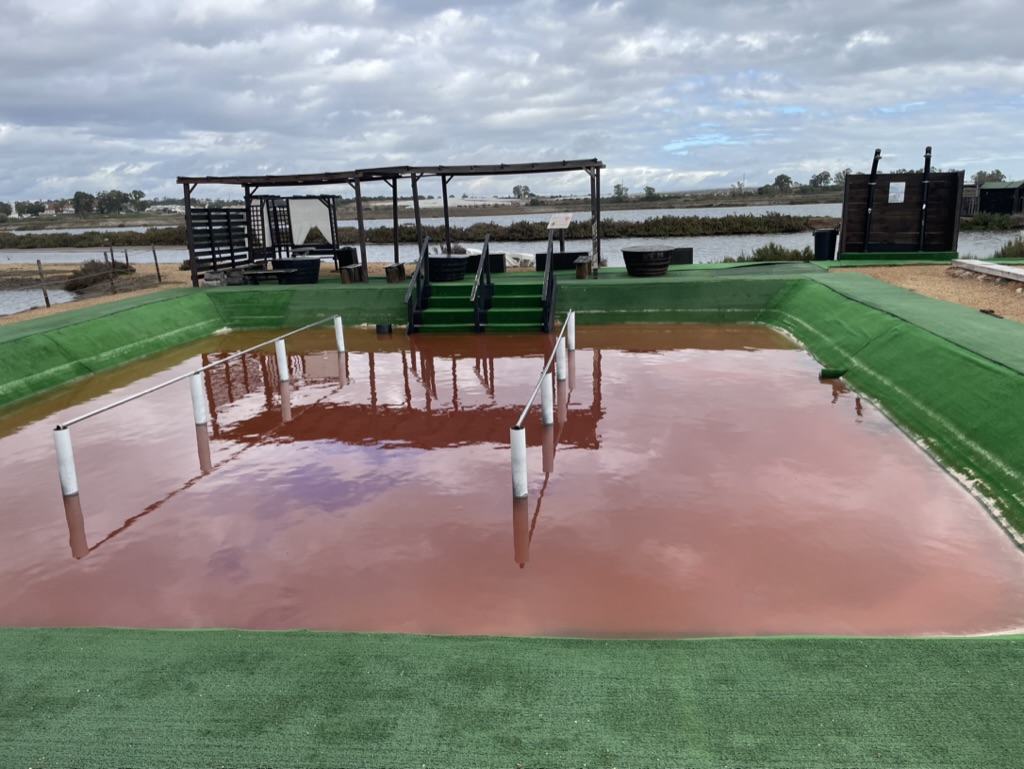
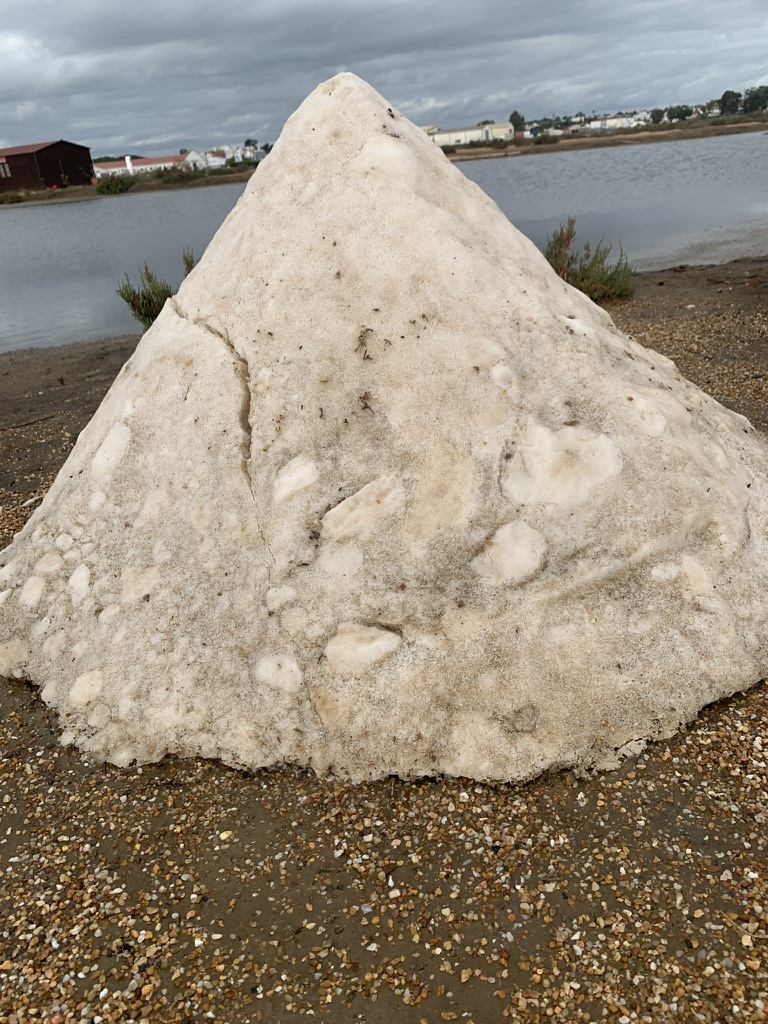
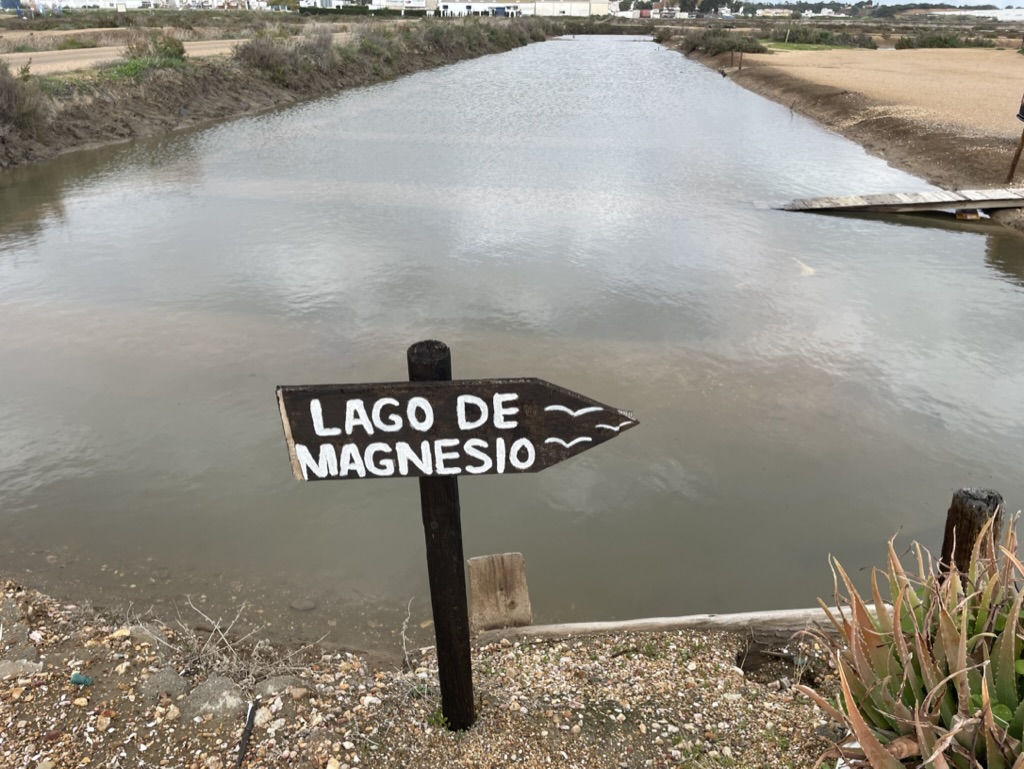
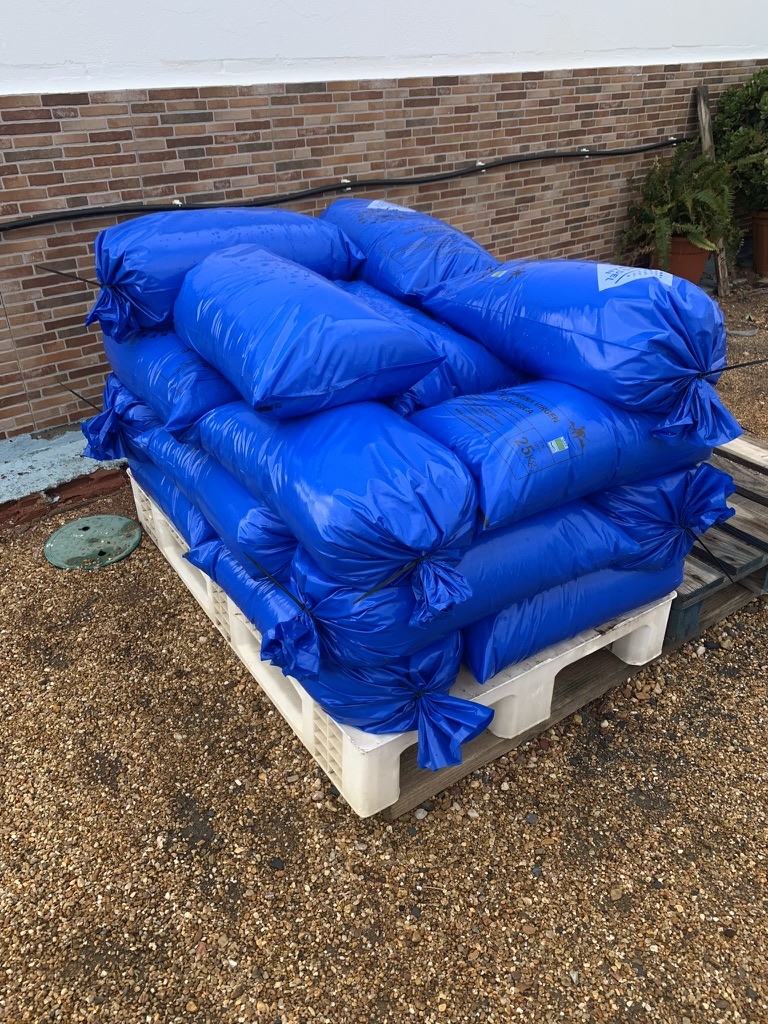
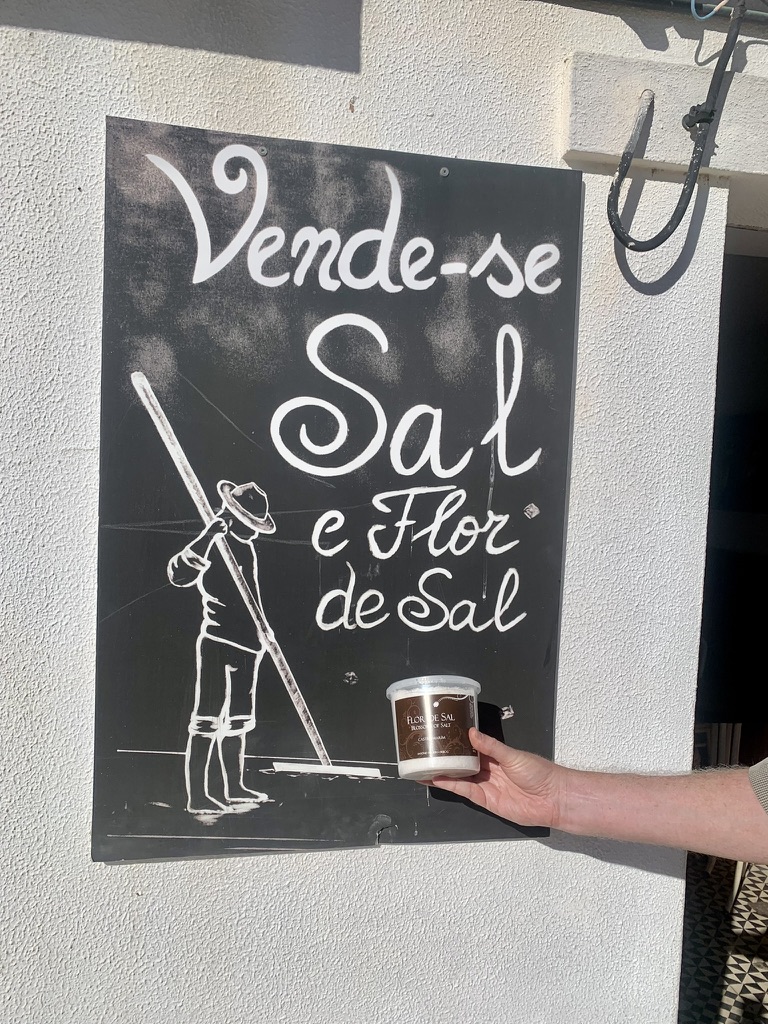
We made a rainy day trip out to Isla Cristina to visit the Salinas del Aleman salt mines and mud baths, although salt production and the baths were shut down for the season. There’s a lot of salt harvested all over the Guadiana River delta, but we hadn’t seen the likes of these mud baths. Apparently, tourists come during the summer to slather themselves with the mineral-rich muck, and the on-site literature claims significant health benefits from its application. Of course, we are born suckers so we bought a small spray bottle of the magnesium salts, which promised us long life and good health similar to the mud baths, sans the need to hose off later.
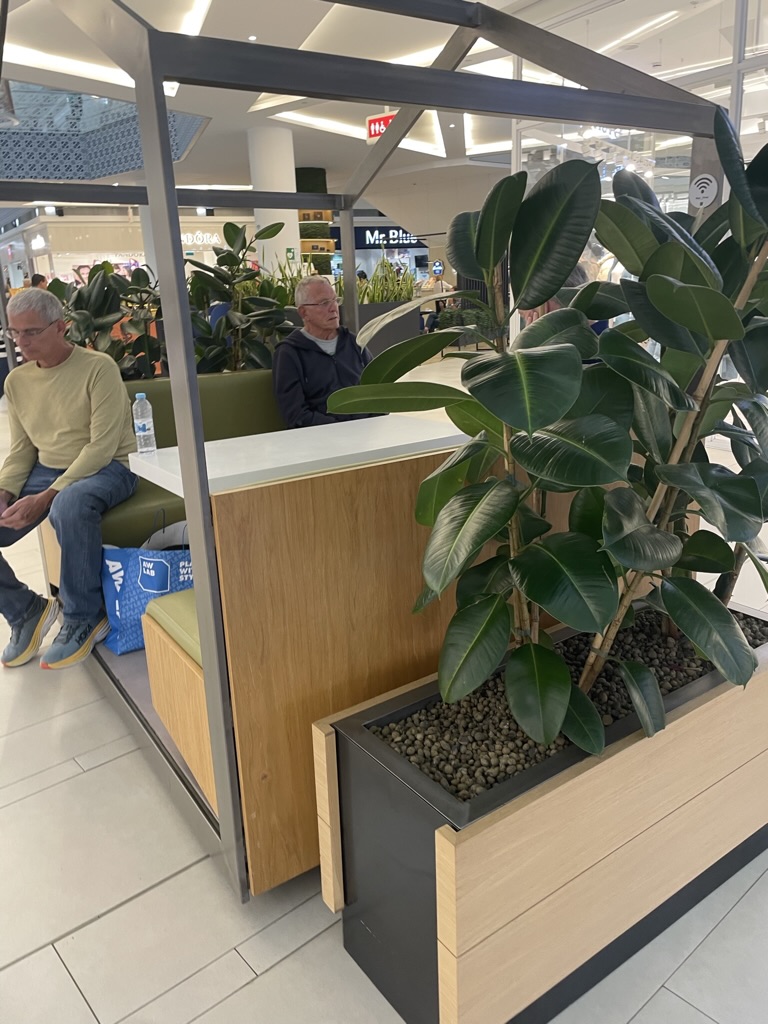
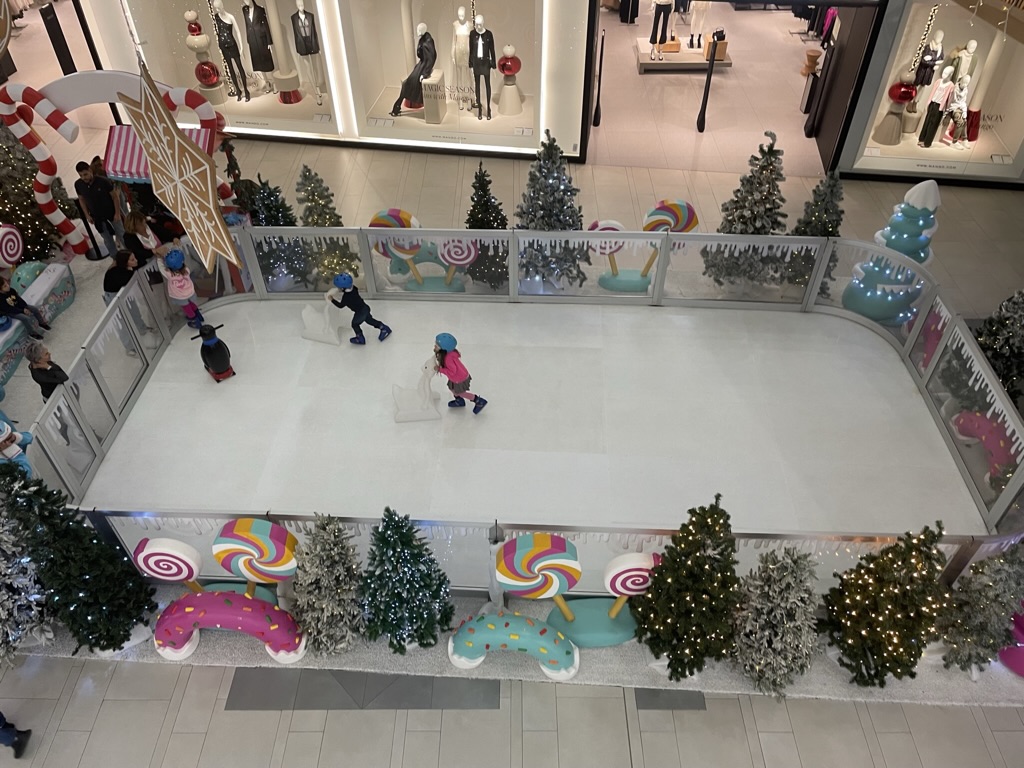
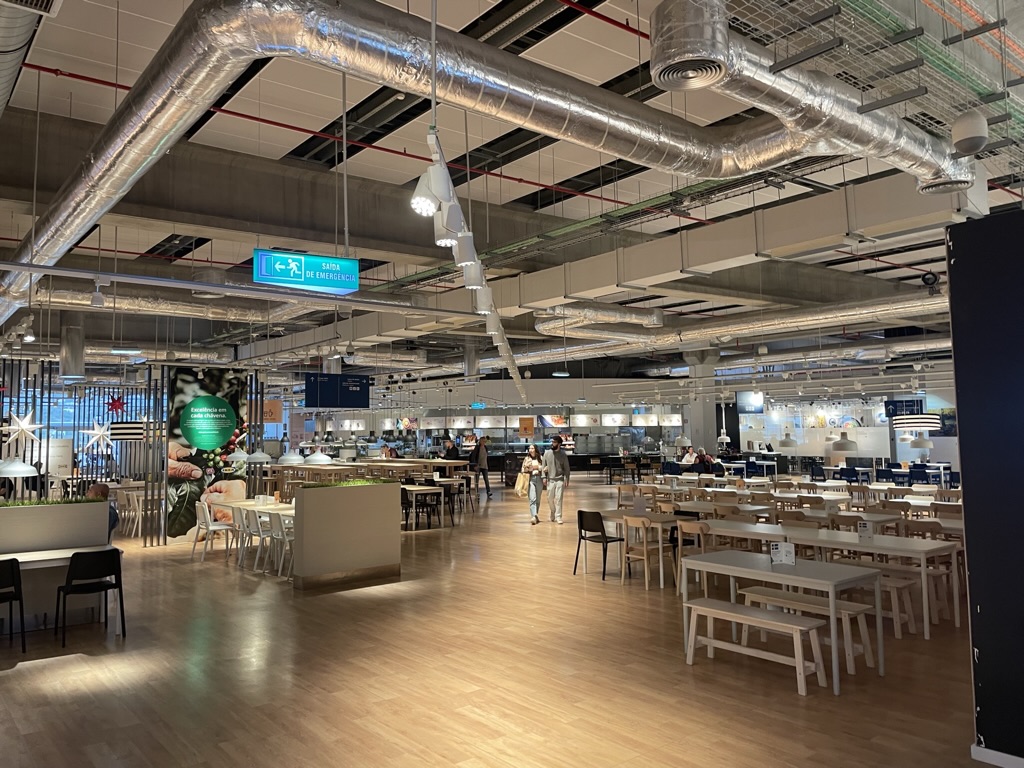
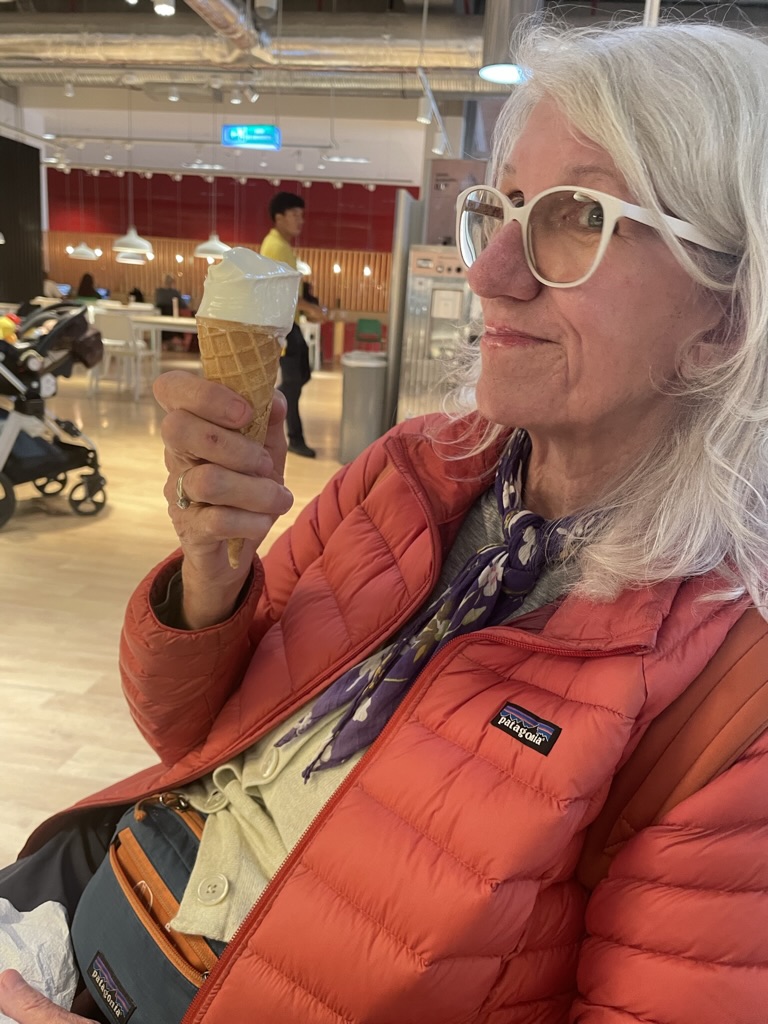
One really rainy day, we headed to the nearby city of Loulé to take care of some small-but-lingering shopping needs at their large indoor mall. The Christmas promotions were in full swing and kids could see Santa Claus or skate on a small, simulated ice rink while the parents took advantage of the Black Friday sales — apparently a thing here, despite the absence of the Thanksgiving holiday. The mall is anchored by an Ikea store, and their restaurant is sprawling and shiny, featuring some local favorites along with the traditional Swedish meatballs with lingonberry jam. We each had an ice cream cone that set us back one euro and sixty. We’ve decided not to let expenses like that get in our way of enjoying life.
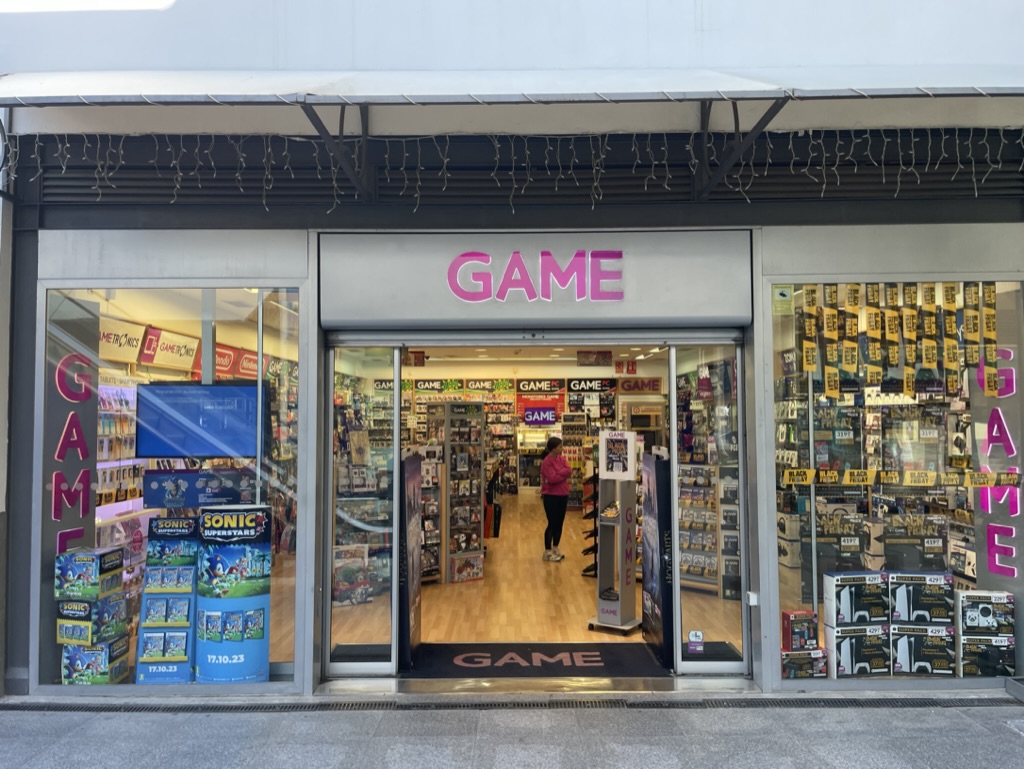

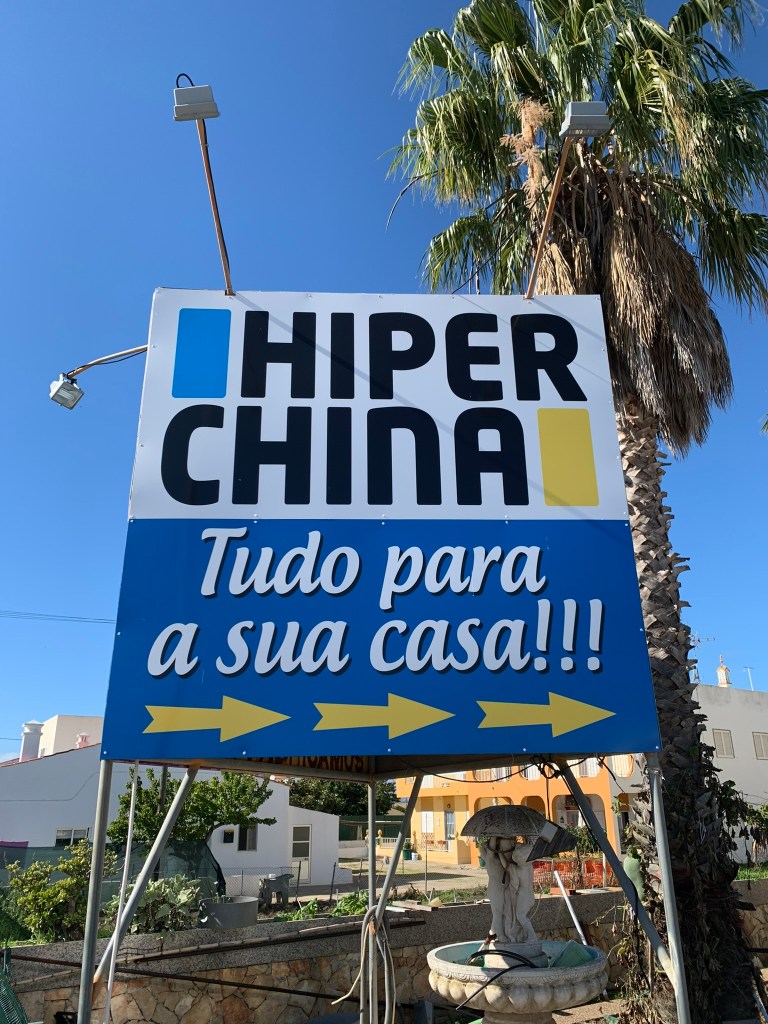
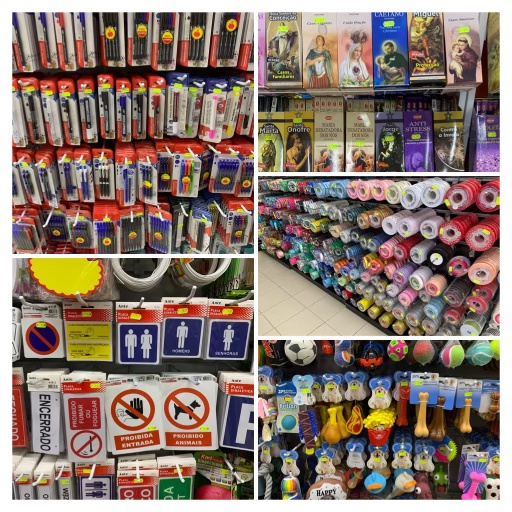
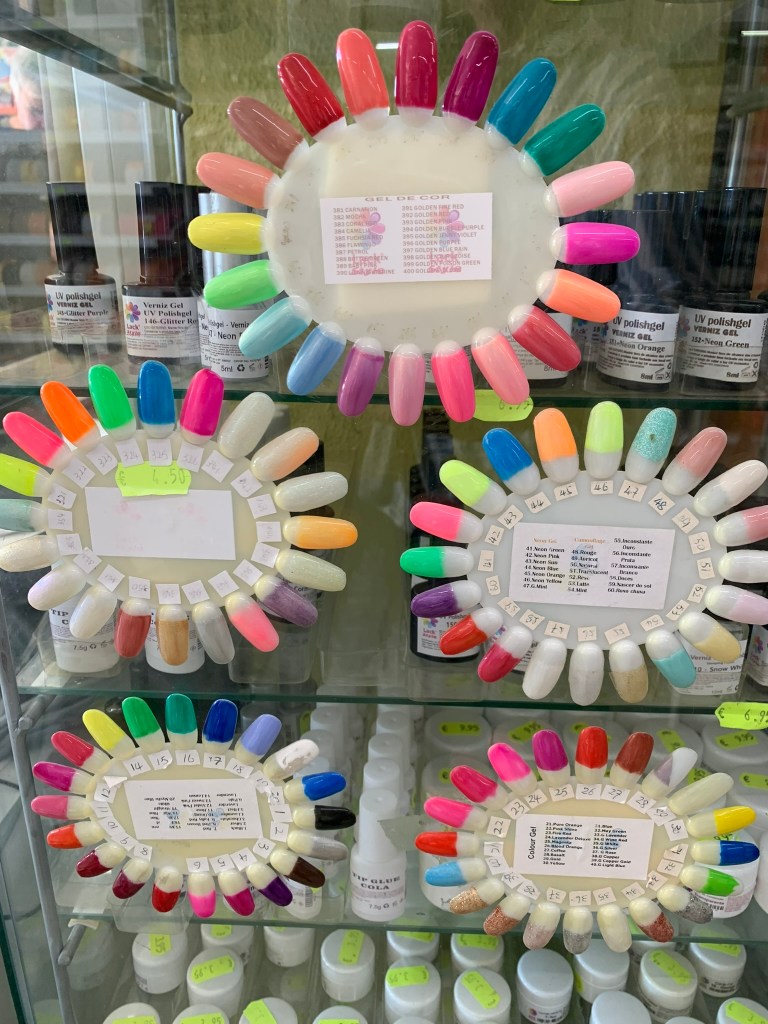
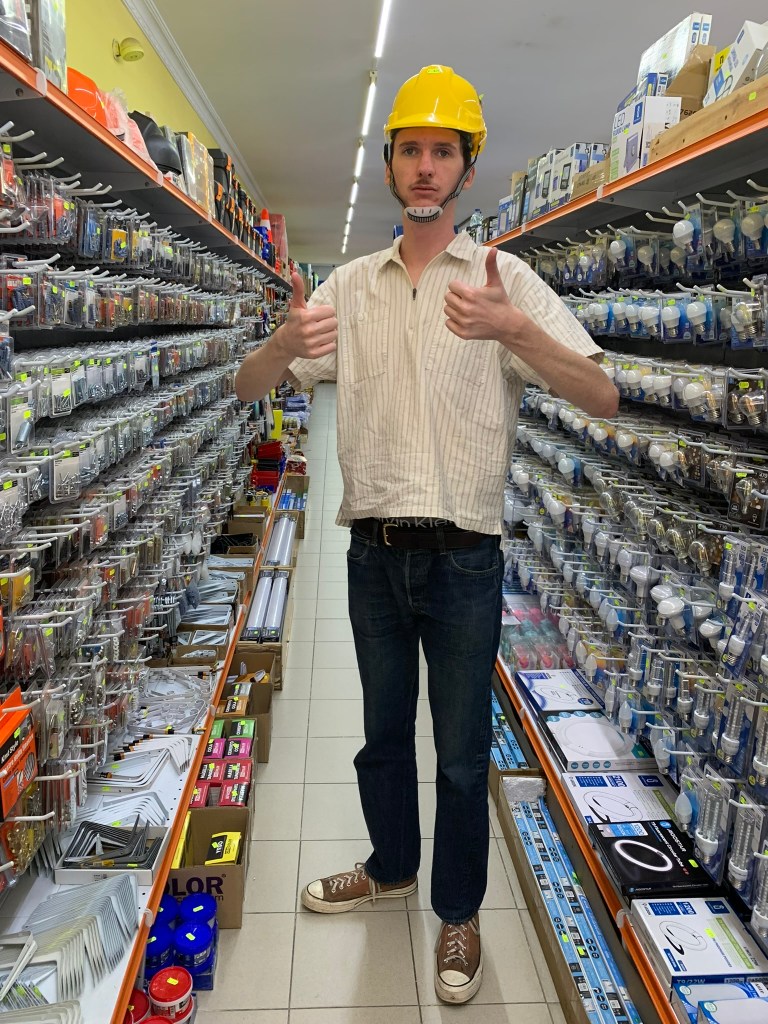
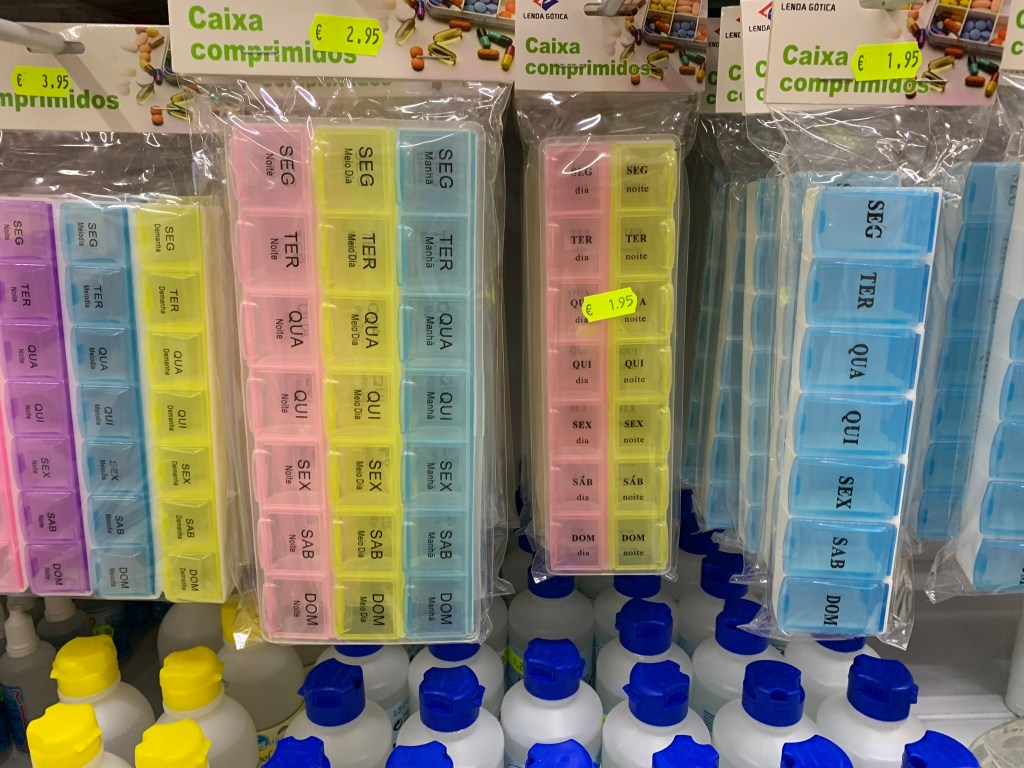
Hanging around a shopping mall is not nearly as fun as popping into one of the Hiper China stores that can be found in most of the smaller towns. They have virtually anything you can think of for sale, in multiples, and it’s all made in — you guessed it — China! Denise likes getting lost in the vast depths of the store only to emerge later with a fistful of random off-brand stuff that we simply have to have. They are generally run by what appears to be extended Asian families and can be real life-savers when you need something cheap. Our last haul included a measuring cup, a potato peeler, and some off-brand Post-It notes. We’ve seen this type of store occasionally in France and Spain but they seem to be a big part of the economy here in southern Portugal.
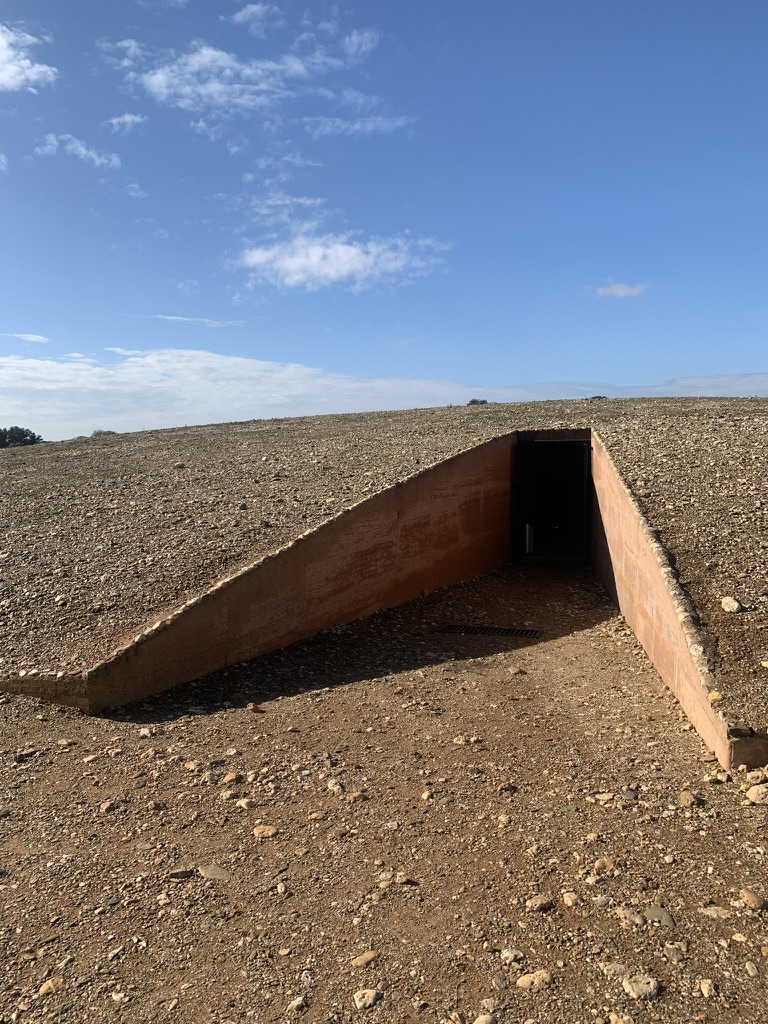
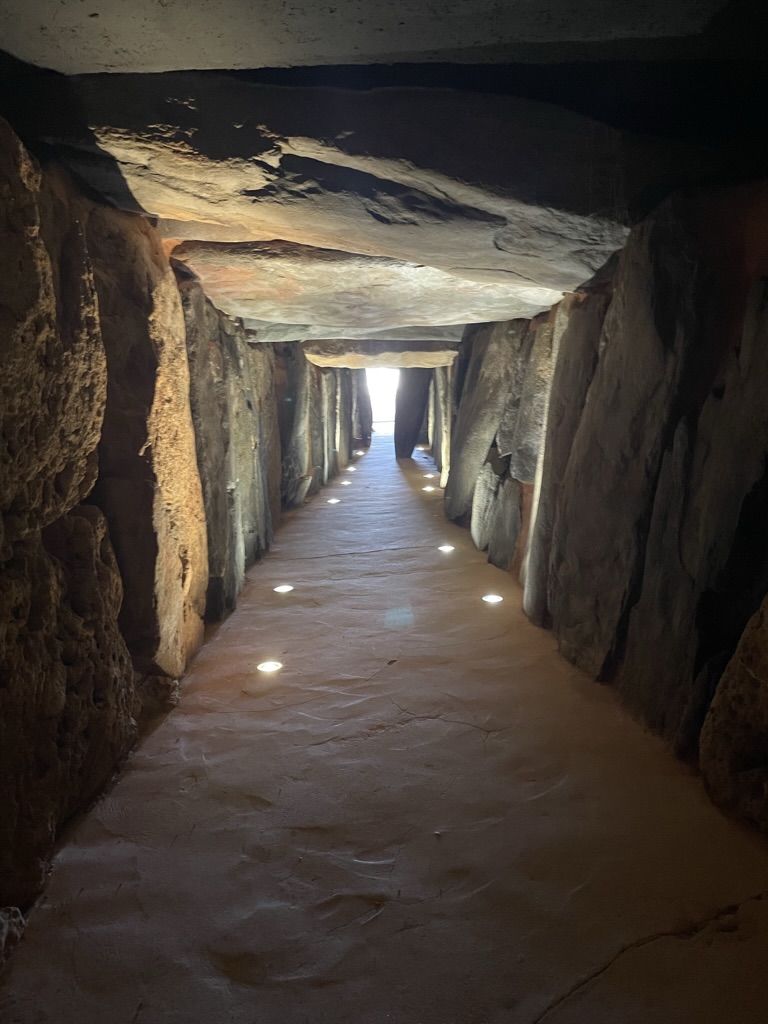
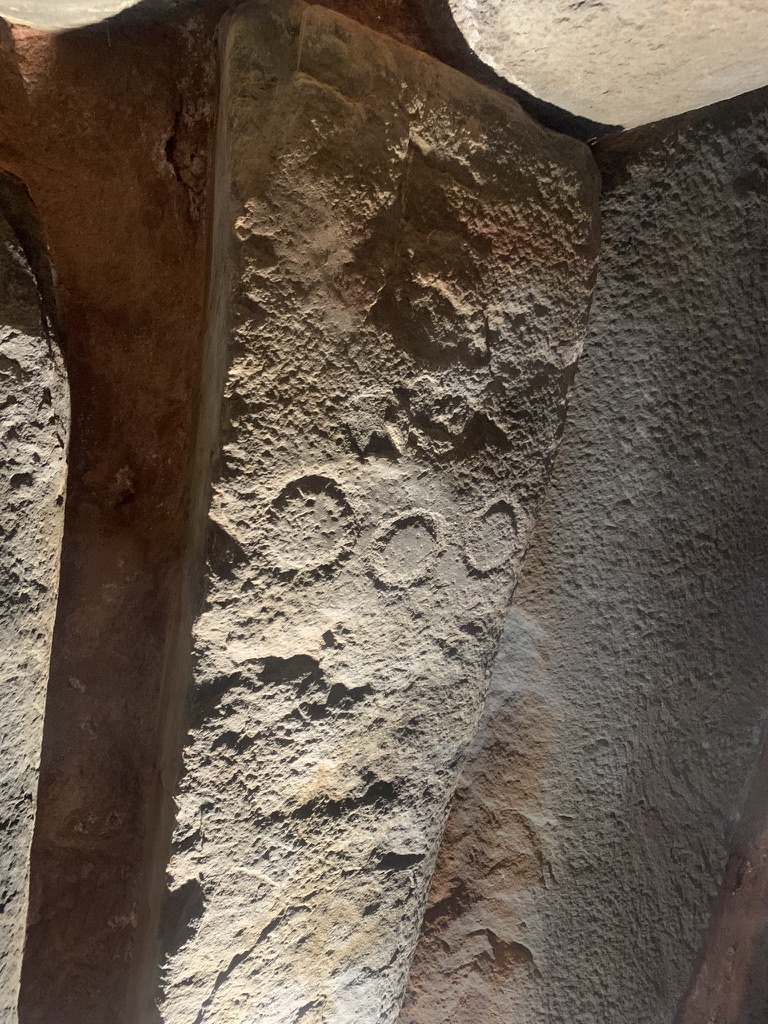
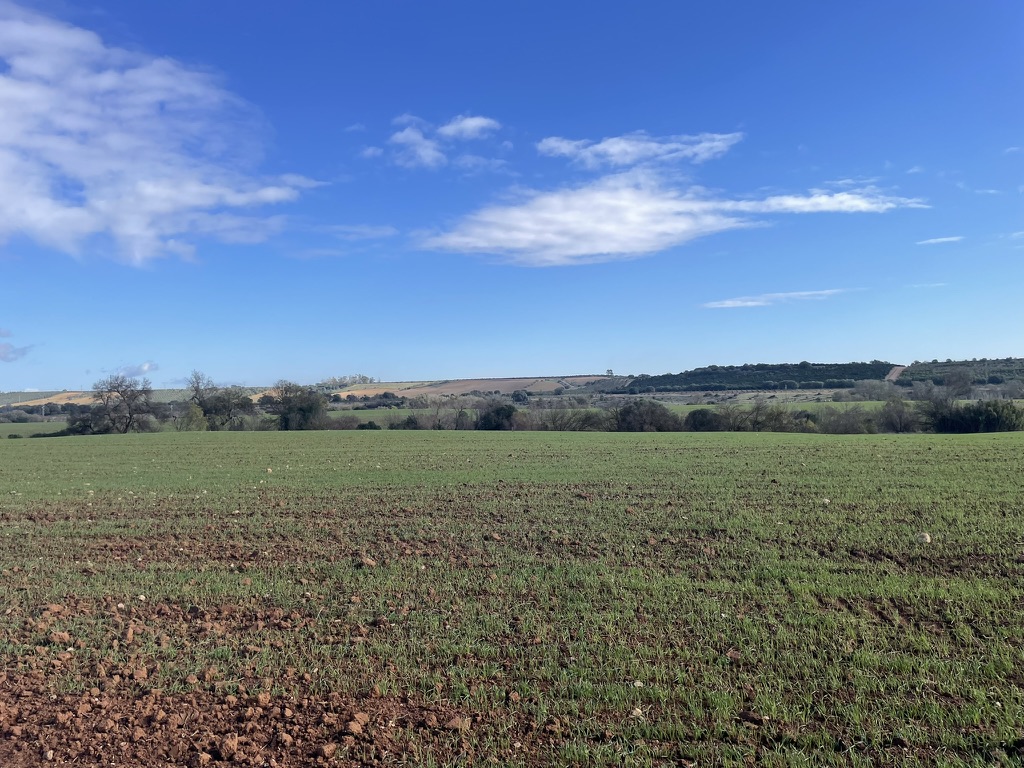
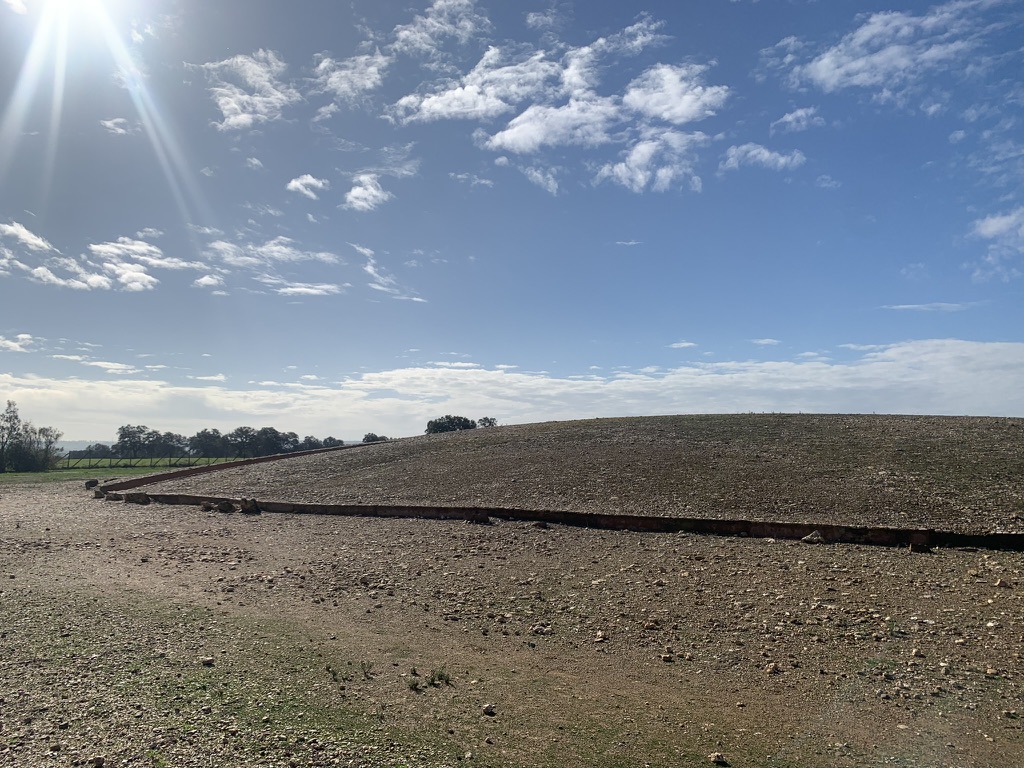
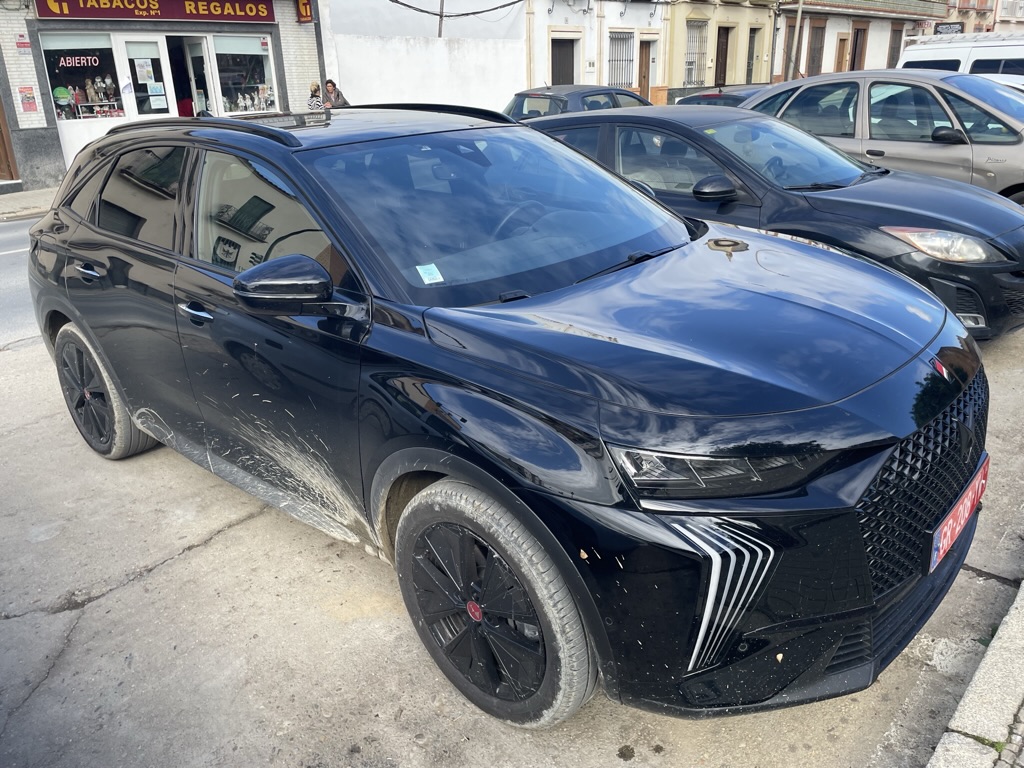
On Saturday, we took a drive over to Spain to see the Dolmen de Soto, a Neolithic site near Huelva, and received a guided tour of the chamber, which is believed to be 5,000 years old, give or take, and was only uncovered in 1923 by a farmer excavating to build a new house. The site is on a dirt road in the middle of groves of olive trees, on the outskirts of the small town of Trigueros, a very modest setting for such an important discovery. These primitive peoples had a very good understanding of the stars and the cycles of the sun, which figures since we all know that the aliens were here to educate them and give them joy rides in their spaceships. The guide didn’t speak English so I didn’t bother to ask where they buried the bodies of the space visitors but I gave him some meaningful glances so he knew that we knew.

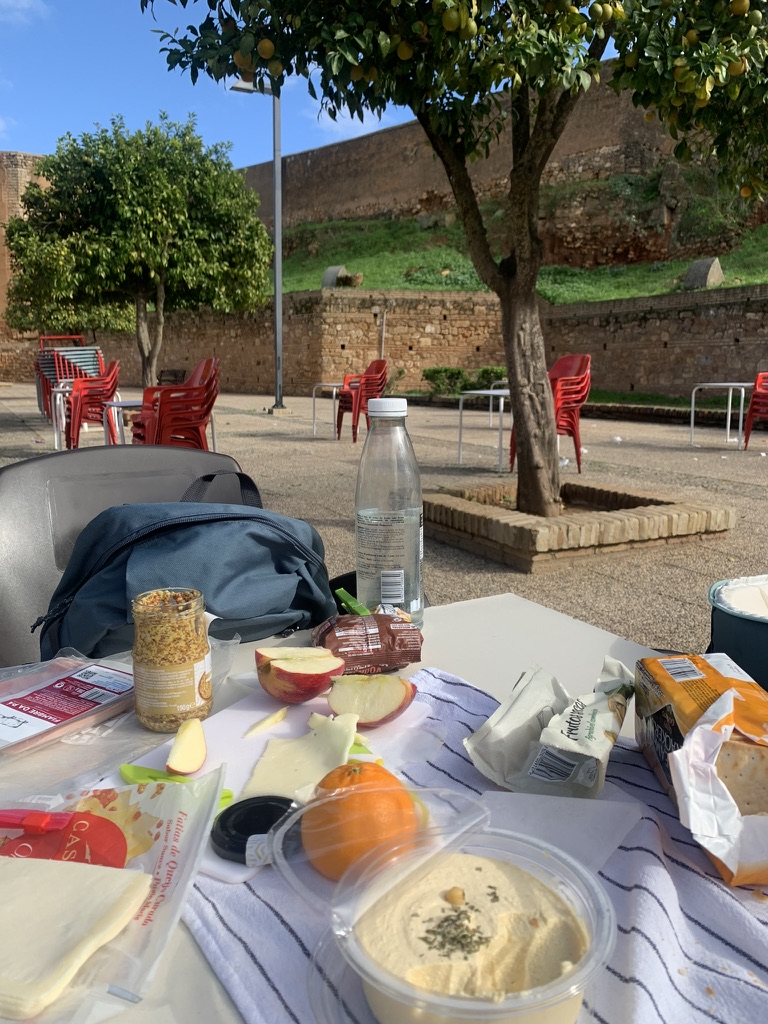
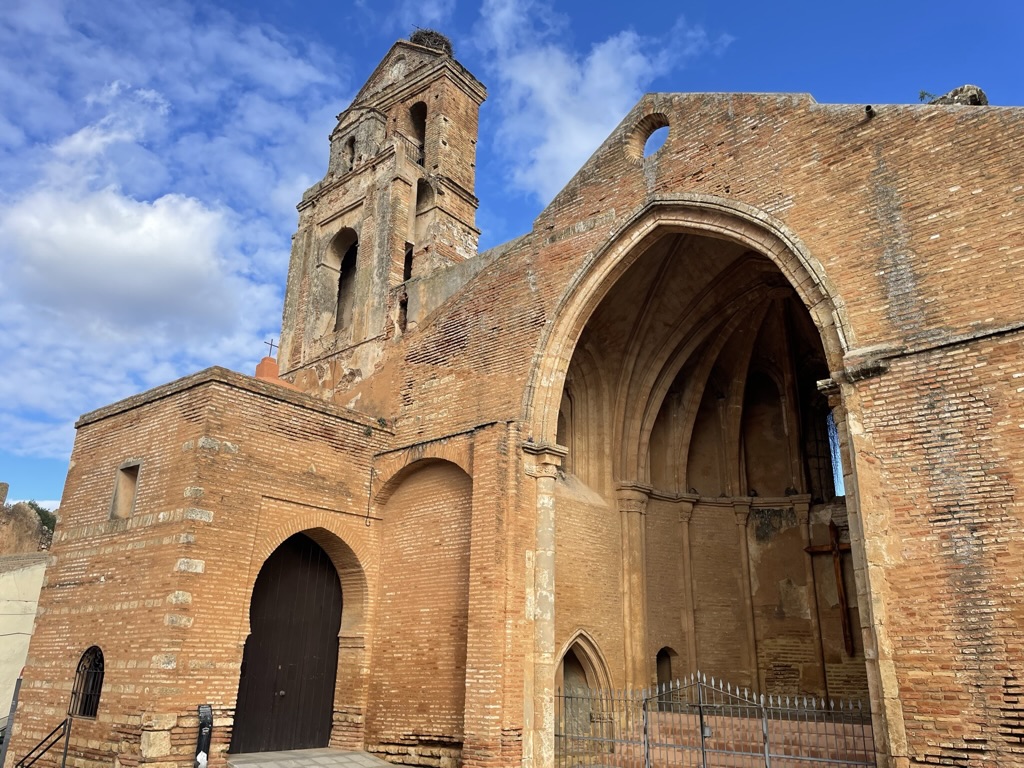
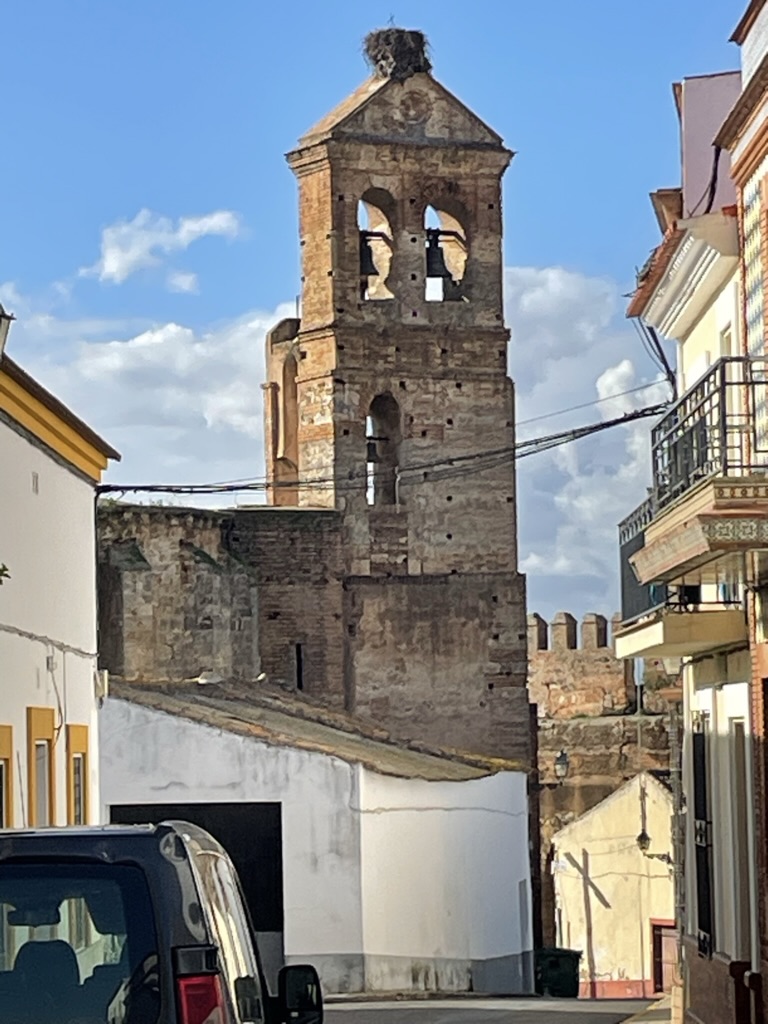
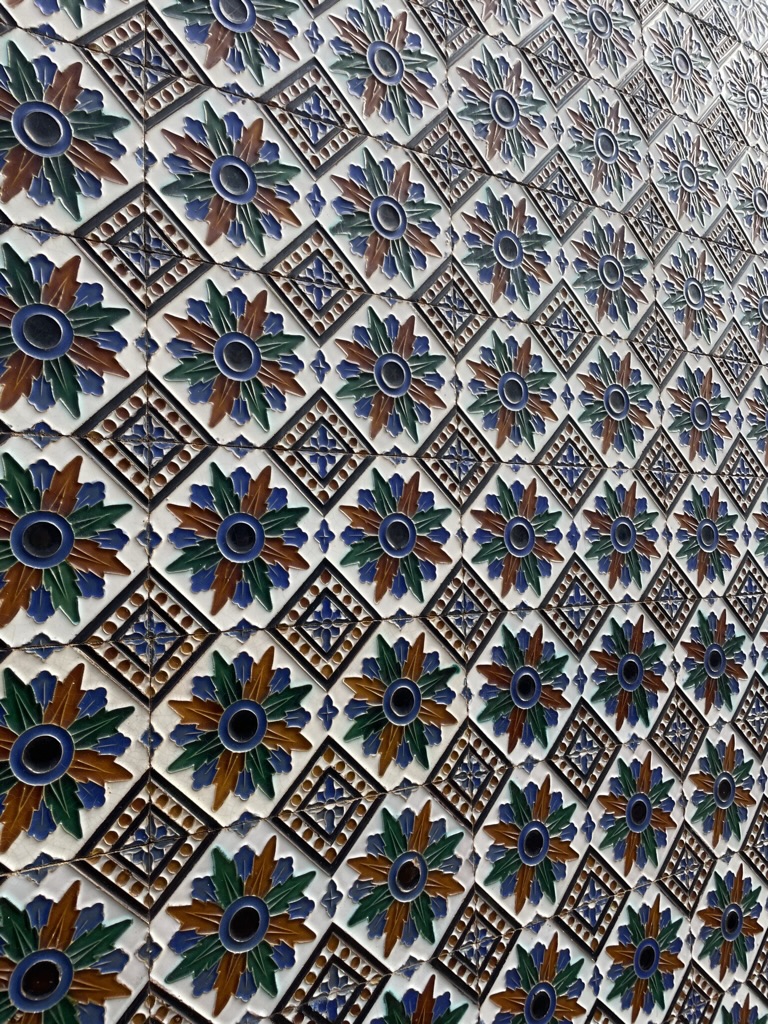
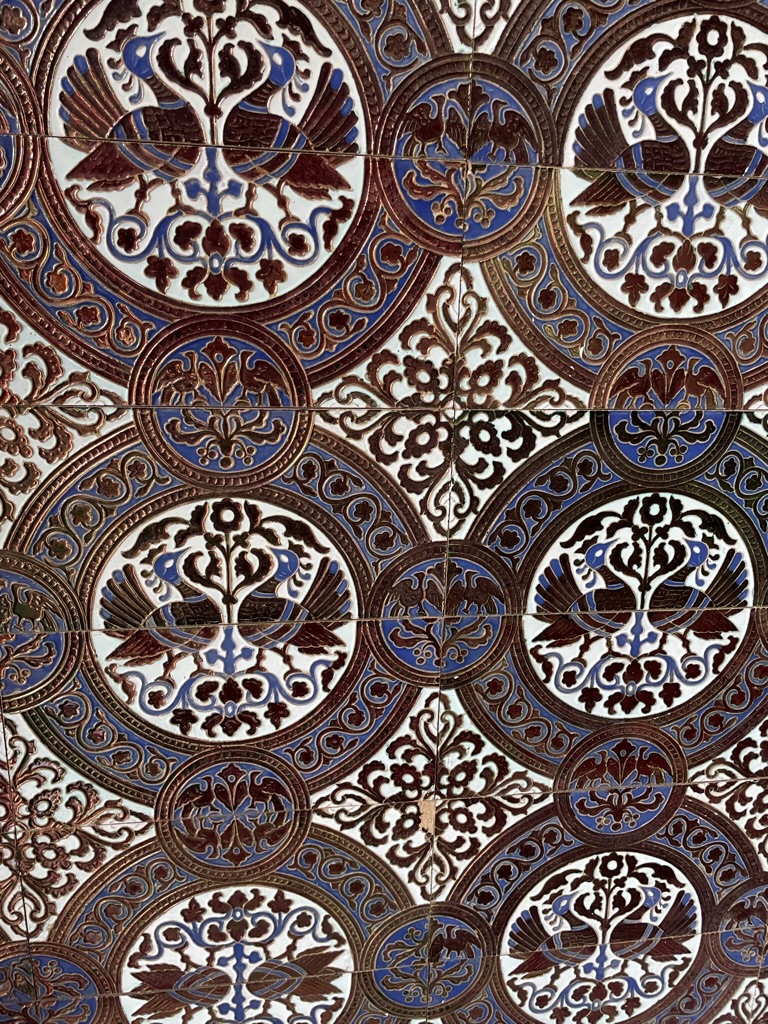
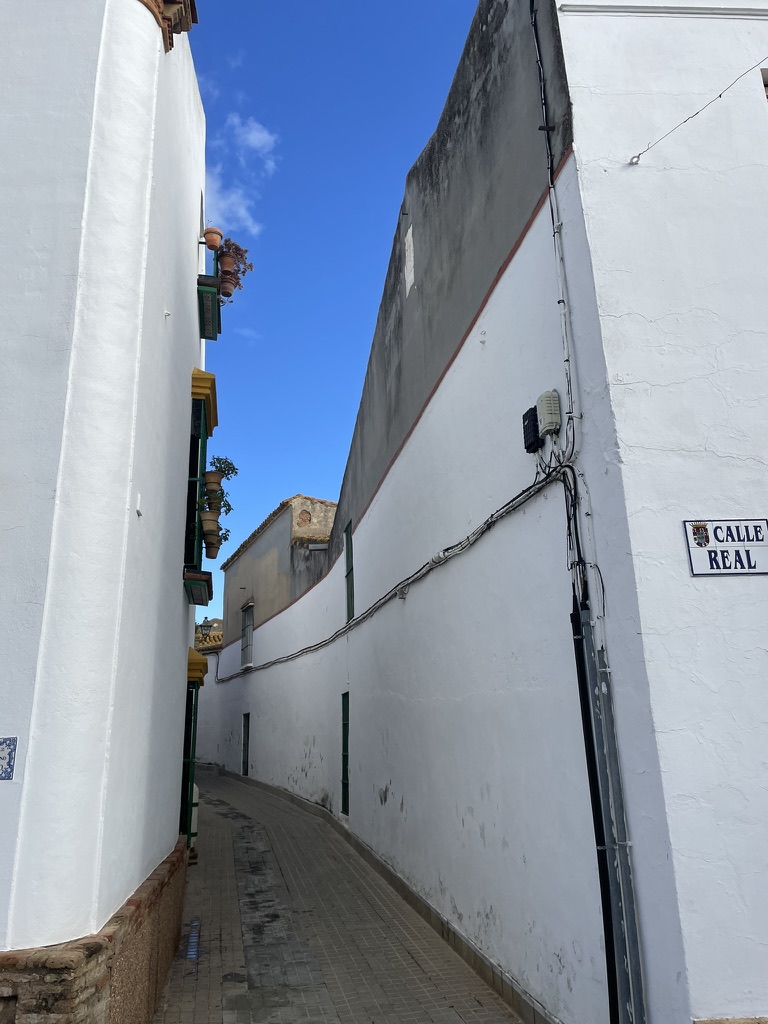
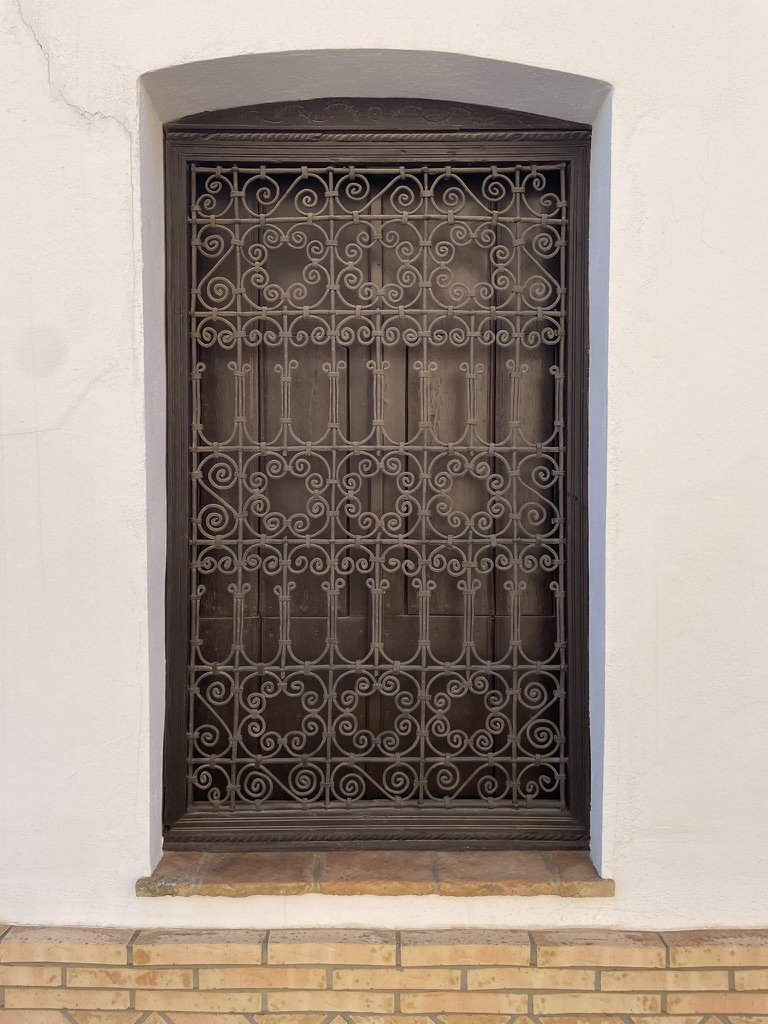
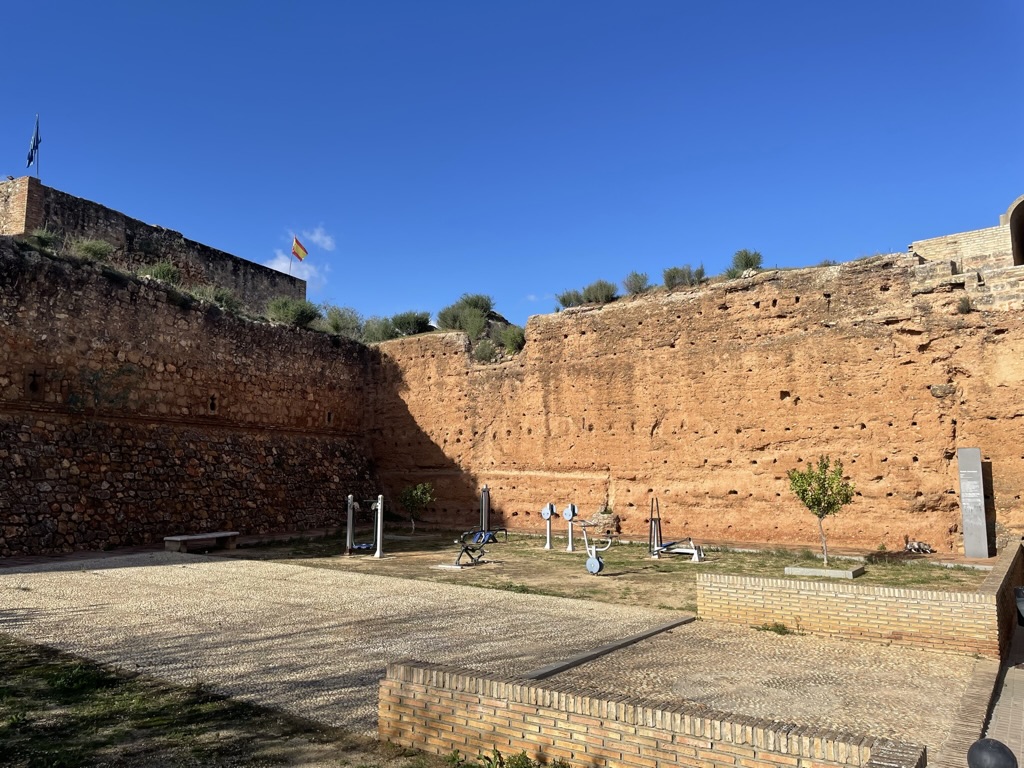
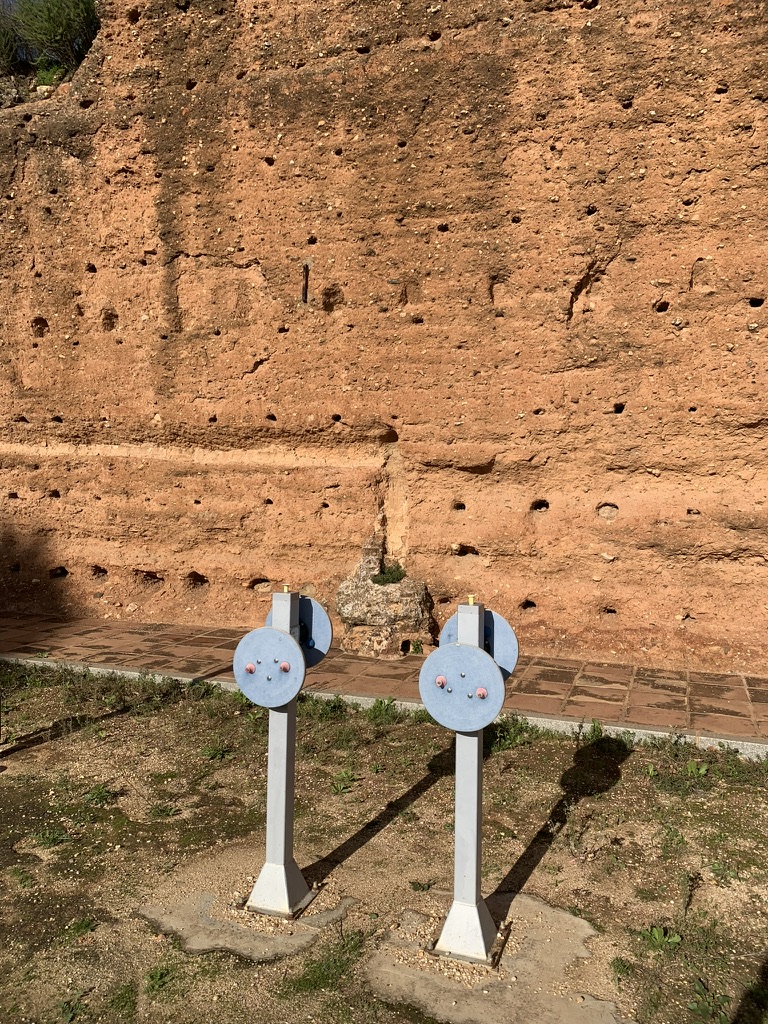
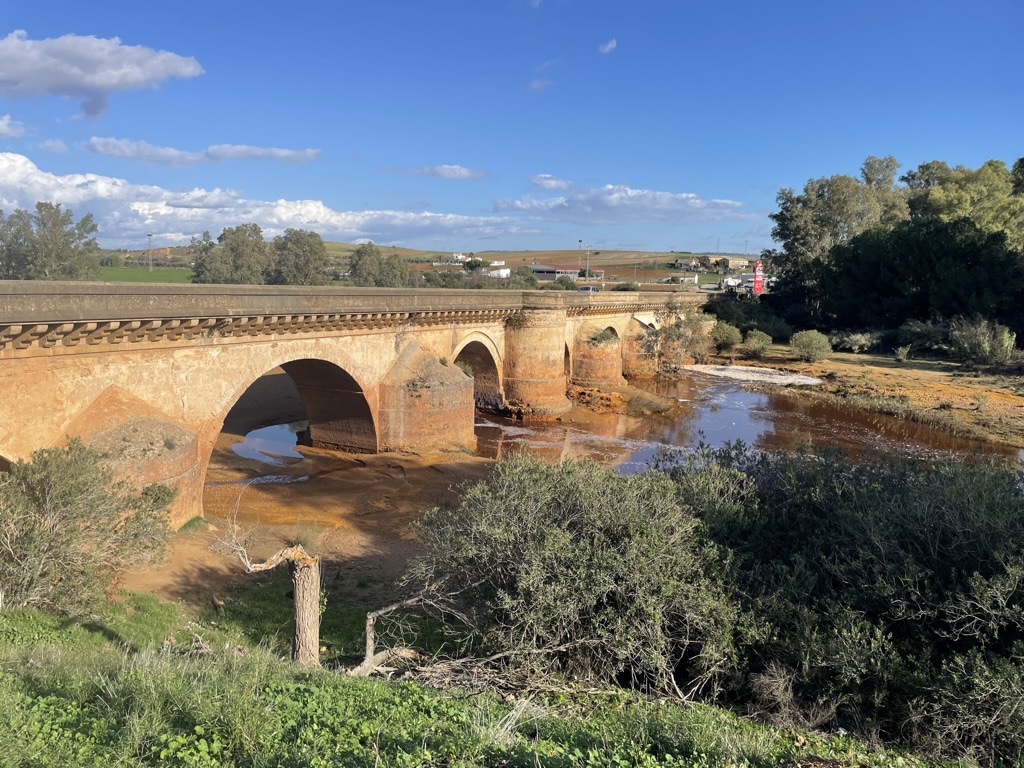
After our tour, we continued down the dirt road and stumbled upon the not-quite-so-ancient city of Niebla, a charming ciudad with a largely intact city wall dating from 700 CE. We had a picnic lunch outside the gates and then strolled the empty streets — the absence of people due to either the siesta or a neutron bomb — enjoying the church with the Mudéjar architecture and the beautiful tile work on the walls of the homes. I think that, if a town with this much history were in the States, it would have tour buses arriving hourly but here, people are like, oh it’s just another walled city with a still-functioning Roman bridge… whatever! This whole part of the country is lousy with Neolithic sites and Roman ruins, so I guess they’re a little spoiled.


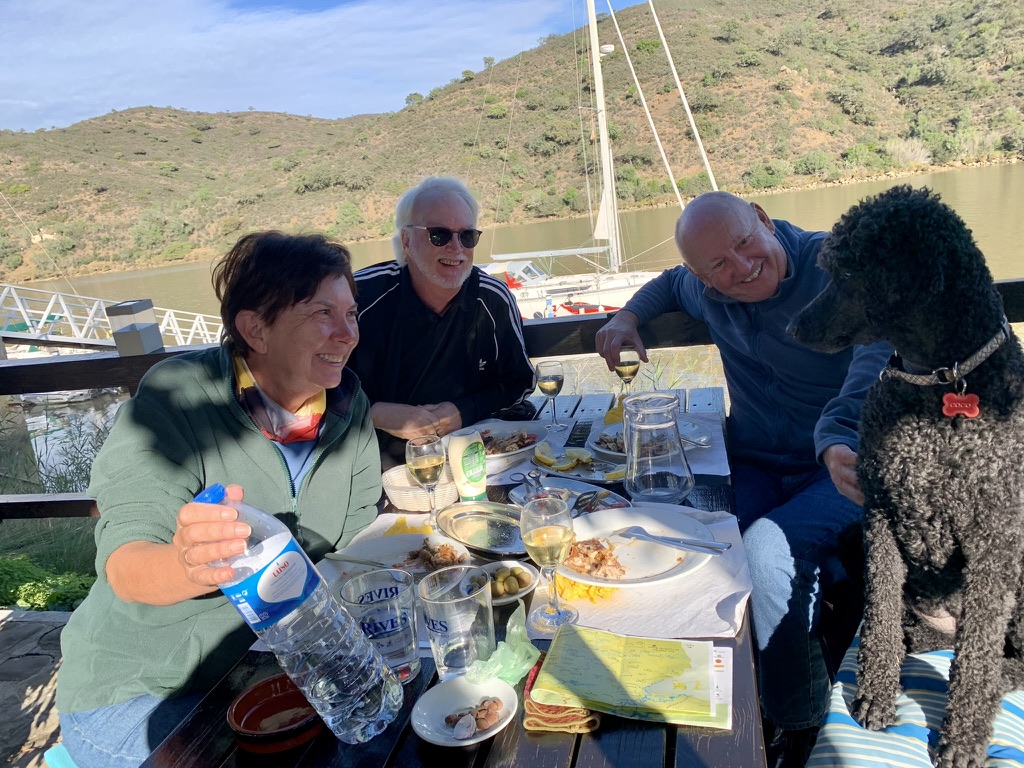
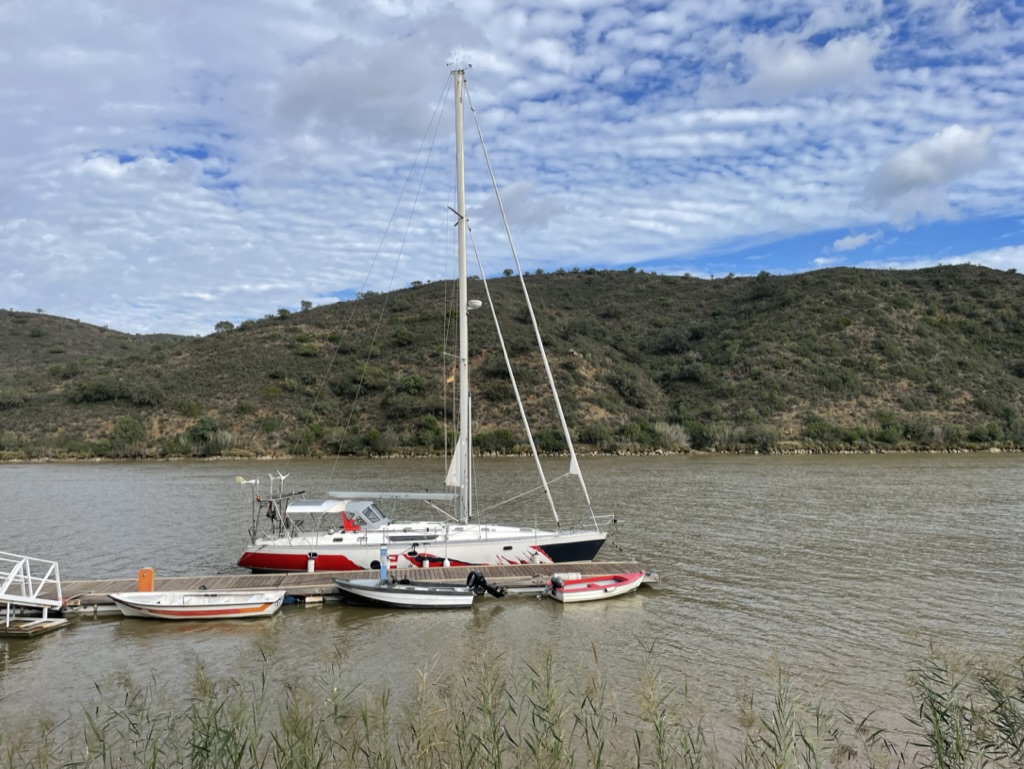
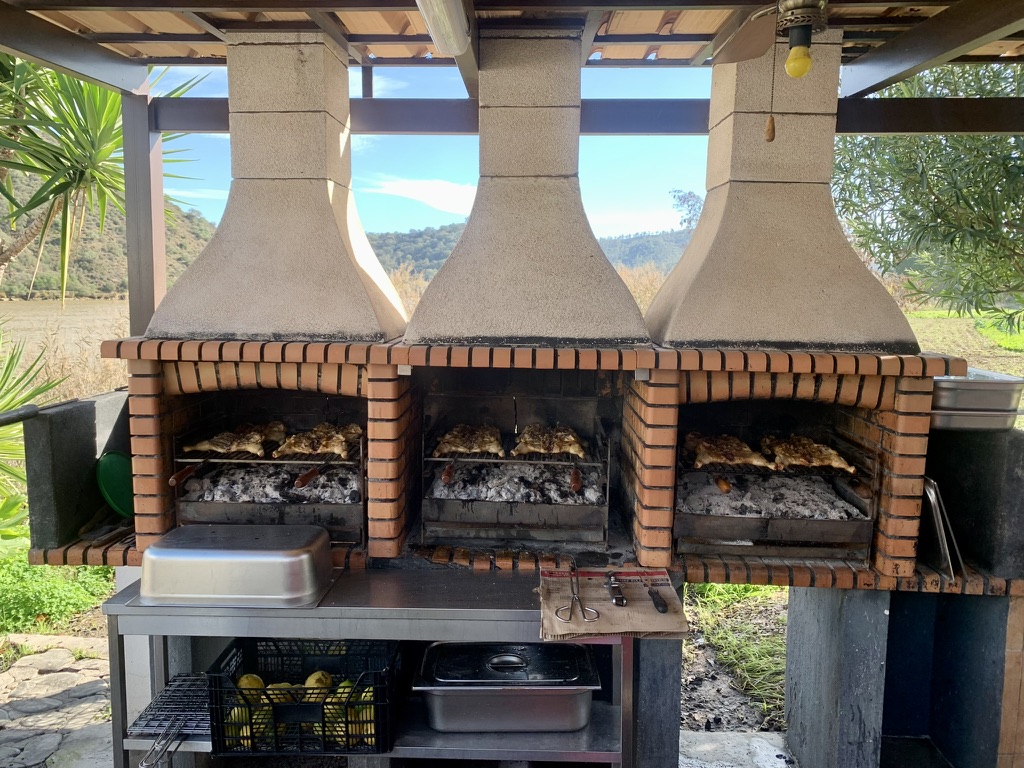
The next day, a sunny Sunday, we took up Olaf and Lorraine’s invitation to join them for lunch in a riverside restaurant about 30 minutes upstream from Altura. They are both chatty and engaging types with a lifetime of globetrotting behind them — no kids, so no ties — and they were equally interested in the stories of our journeys, making for easy conversation. Over the four-hour repast, we shared two large carafes of a local white wine, two barbecued chickens in the Portuguese style, a tomato and onion salad, and all the frites we could eat, capped off with coffees. The view was beautiful and the friendly owners slipped some meat from the grill to Coco, who was enjoying the sunshine and attention. The entire bill was a total of 40 euros — just 10 euros each for a delicious and fresh meal. We finally felt like natives, frittering away the whole afternoon at lunch, something we hadn’t done since arriving in Altura.
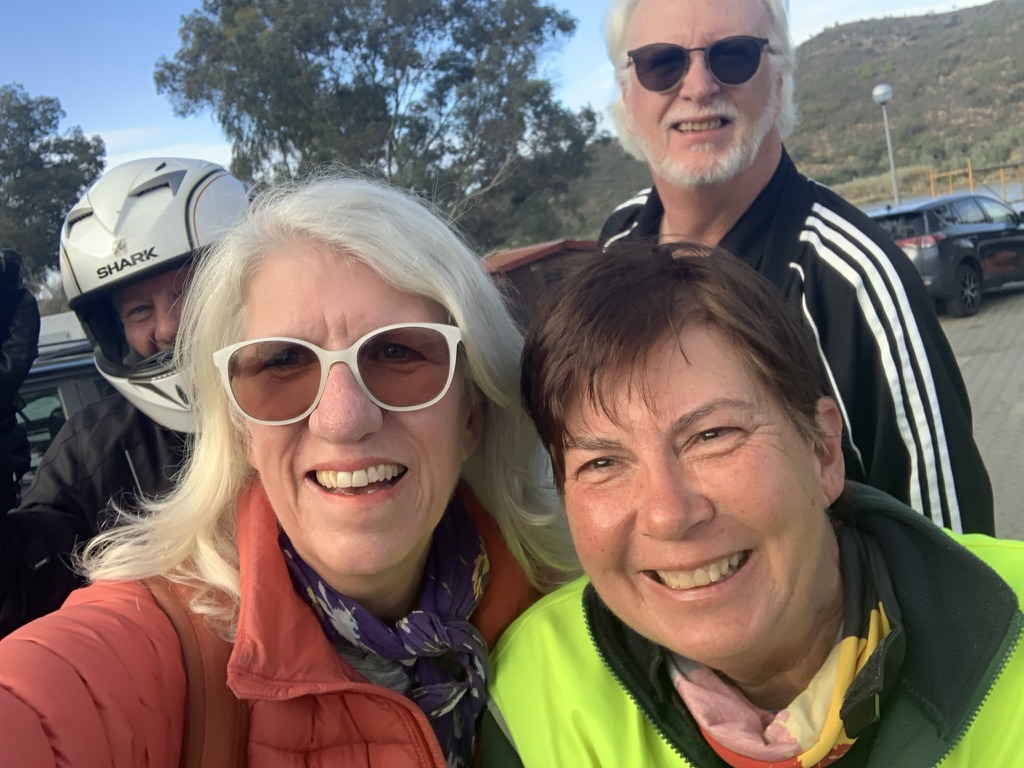
We said goodbye to Olaf and Lorraine as they headed back on their motorcycle to their house in Spain and we took a leisurely drive through the countryside to our place just over the border. The get-together helped, I think, to snap us out of our melancholy and remember that we are here to live our own lives and make memories. We miss our family and friends at home but we’re still having a great time exploring and meeting interesting people helps keep the adventure alive.
In the next couple of weeks, we’ll leave here for Córdoba, Spain, where we’ll spend Christmas and New Year’s and from there we’ll turn north, hugging the Mediterranean for a while. We’re planning on spending the summer in Belgium and the Netherlands. If you’ve got European travel plans for next year, let us know and we’ll try to meet up with you.
 Calculating Route...
I am so happy to o be here with you for a moment. My heart felt heavy missing the boys. But then, lightened up with your encounters, bike riding and beach walking. I love you three!😆🤣❤️❤️❤️
LikeLiked by 1 person
Marvelous, simply marvelous.
LikeLiked by 1 person
So the China stores seem like versions of Walmart? Oh no! They’ll be here soon.
The photos and captions are great. Informative and pithy and Coco is a super dog to be such an easy travelling companion
Don’t forget to take your vitamins.
LikeLiked by 1 person
I
LikeLiked by 1 person
It’s great to see you three back to form. The scent of existential melancholy is perfect in the empty beach town, Steve being Burt Lancaster, Denise being Susan Sarandon.
LikeLiked by 1 person
I just rewatched that movie a couple of weeks ago!
LikeLike
Burt staring out at the Atlantic Ocean. “It doesn’t look the same. It used to be much better.”
LikeLiked by 1 person
I’ve been following along and it’s wonderful to read about your adventures and life
LikeLiked by 1 person
Hey Maria! thanks for reading.
LikeLike
Thanks for the moving account of life on the road. We miss you too.
LikeLiked by 1 person