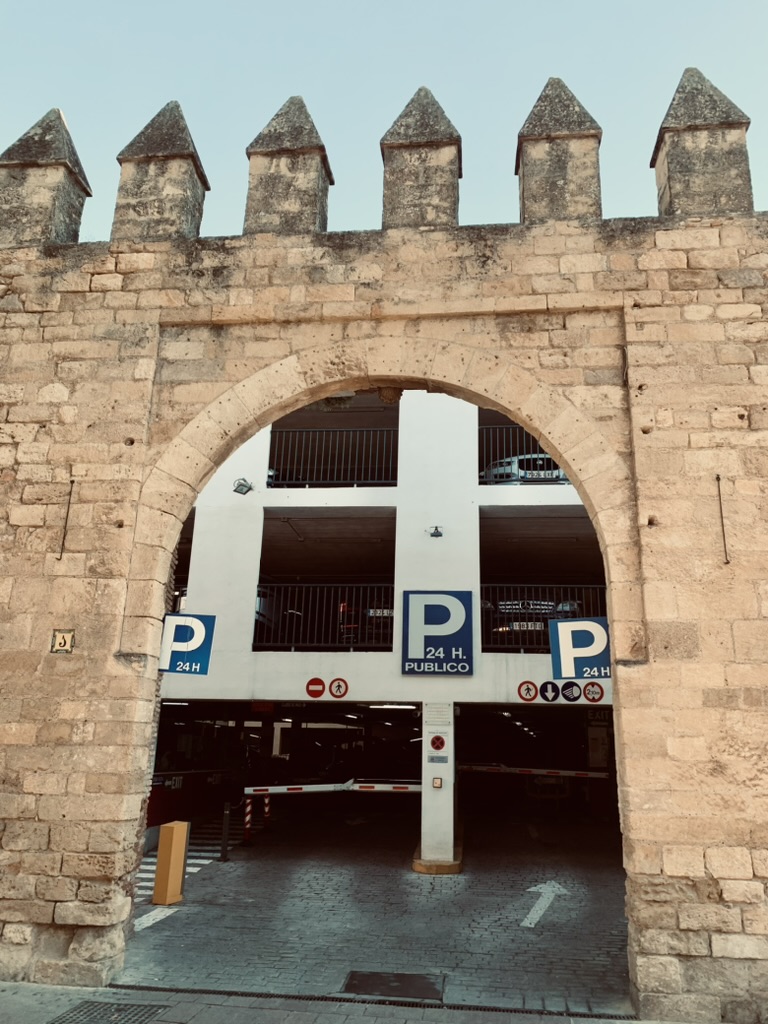
The drive from Portugal was similar to drives we’d taken across California’s Central Valley: large cities surrounded by miles and miles of agricultural land — in this case, mostly olive and citrus trees, with the occasional feedlot mixed in for olfactory variety. After arriving in Córdoba and meeting Juan Manuel, our host, we drove with him up the street to the garage where we had an assigned spot. As I attempted to park the car nose-in to the tight spot, Juan Manuel waved at me, pointing frantically to his phone, and I leaned over to read the Spanish-to-English translation, which said: “Perhaps it is better to put it in the ass.” I could not argue with that logic and just backed the car into the space, thanking him for the help. It made me wonder how many faux pas we’ve committed while using that app: we’ve certainly seen some confused looks when we shared our Google translations with people.
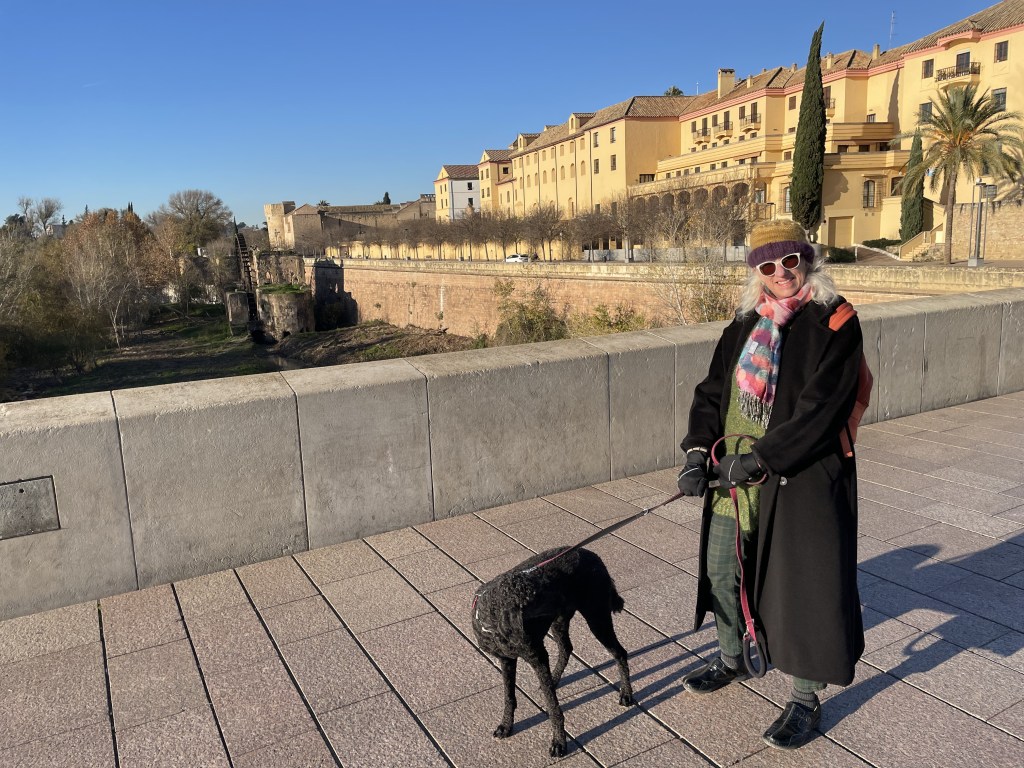
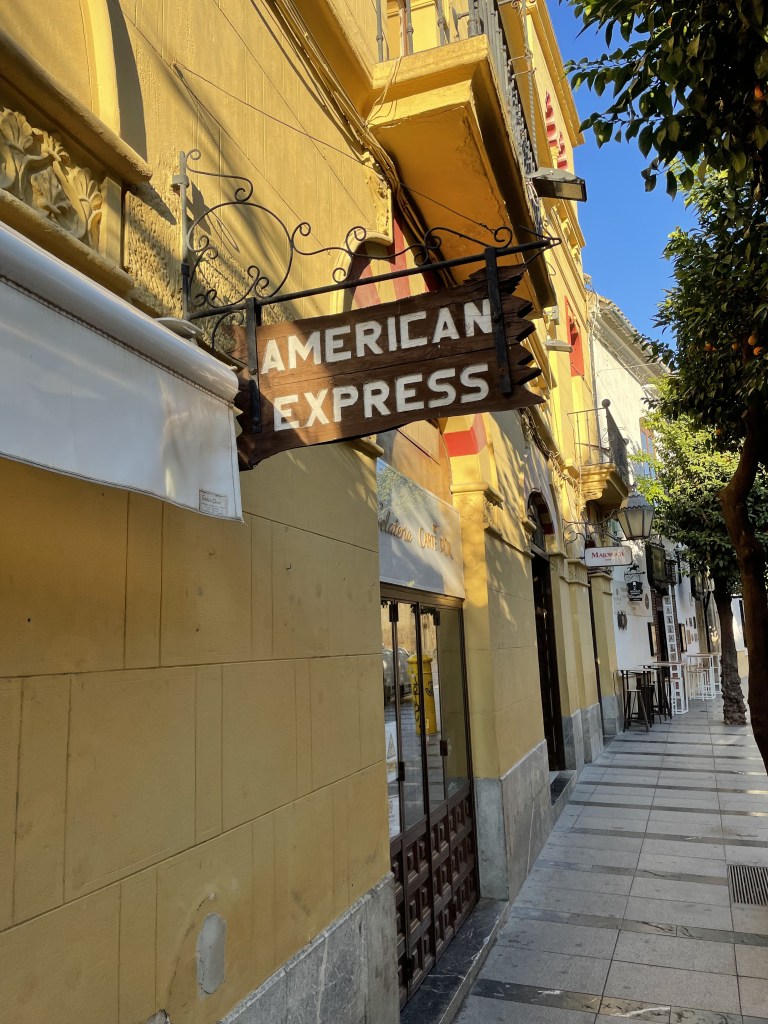
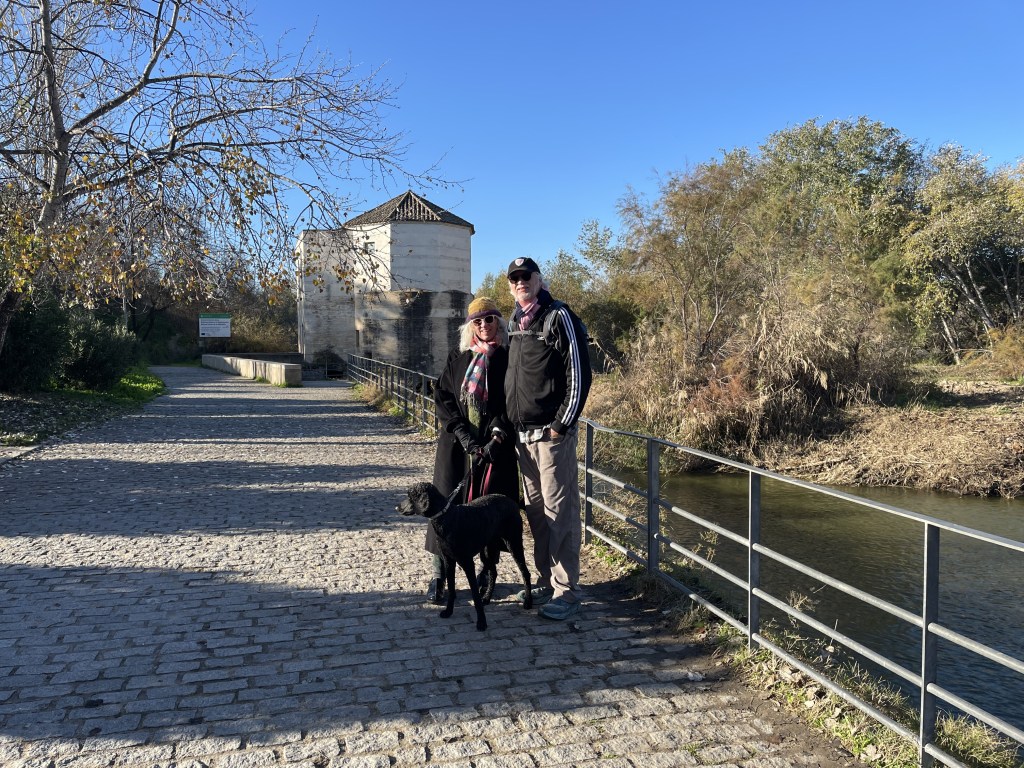
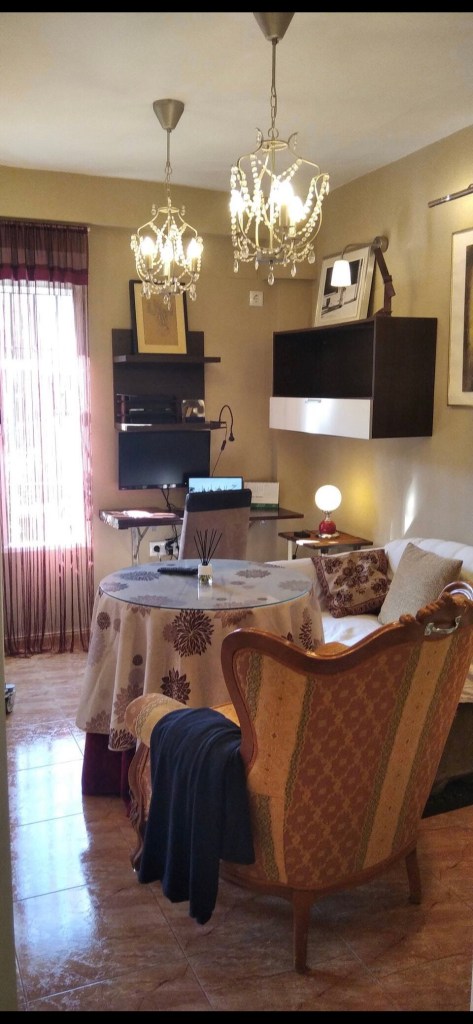
We’re happy to be back in Spain, where the words actually sound like they look and everything is named after a place in California. (Interesting to note that many people here use the Portuguese greeting of bom dia instead of the Spanish buenos dia.) It’s the first time in Córdoba for both of us and we’re excited to explore the area and celebrate Christmas and New Year’s in Andalusia, the southernmost region of Spain. Our apartment is a very traditional Spanish place in the Santa Rosa district — see what I mean? — with six small rooms, all with their own door, marble floors, and ornamental bars on all the windows. It’s smartly decorated, alternating the modern pieces with antiques that look like they belonged to Juan’s abuela. The master bedroom has an improbable small double bed that didn’t suit either of us. The other bedroom has two single beds of reasonable quality so we’ll be doing the Rob and Laura Petrie sleeping arrangement for the next month.

After Juan shows us around the apartment, we ask about the wi-fi password: “Oh, there’s no internet here,” he informs us and I can feel Denise’s eyes boring a hole in my skull. In my defense, the pictures on Airbnb prominently show a “dedicated workspace” with a large computer screen so I could argue that I was misled by the listing. (Although now I see the words “No dispone de Wi-Fi” clearly on the site). We decide not to let it ruin our stay and figure that we can make it work using pre-downloaded TV shows and movies and the generous data allowance on our cell phones. It’s not ideal but we’re trying to be malleable travelers. After all, didn’t Mary and Joseph have to settle for a place in Bethlehem with no wi-fi? If they can do it, so can we.
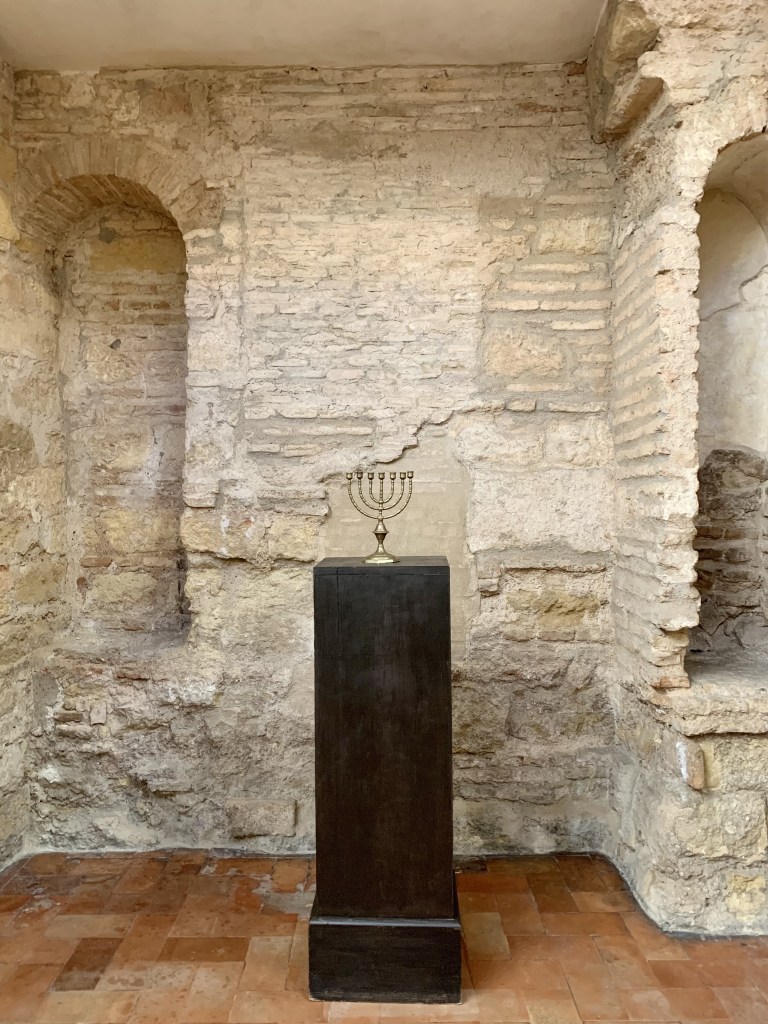
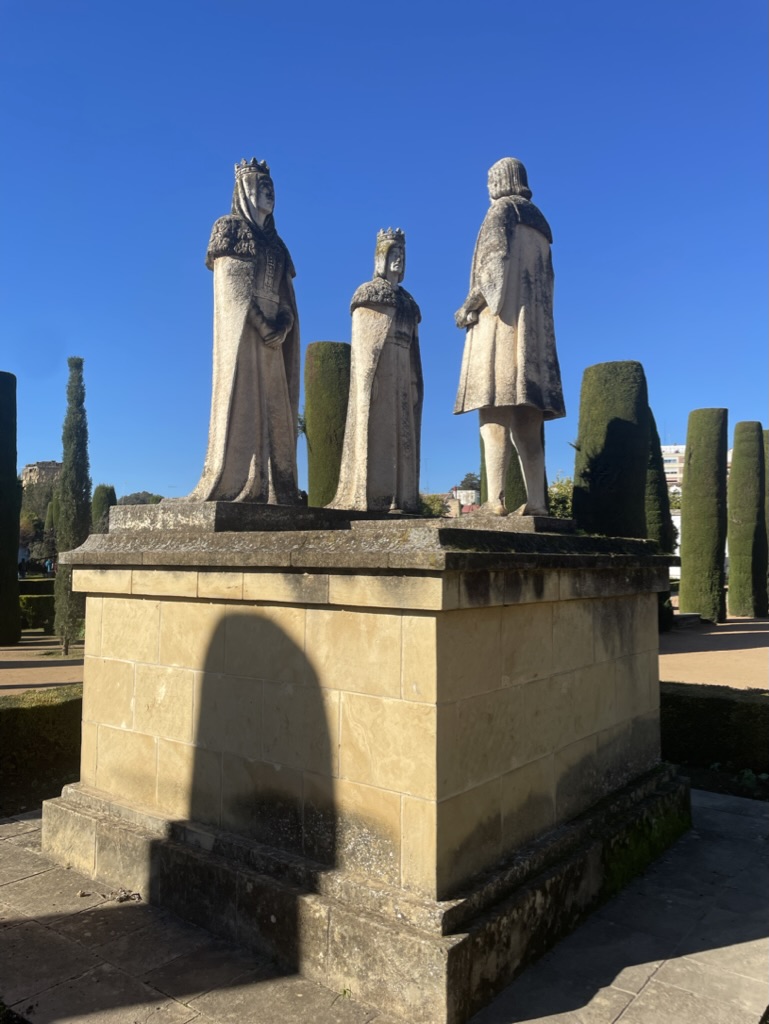
It’s stunning how much of Spain is farms or open land: Córdoba is a densely packed city of 350,000 inhabitants but, once you venture outside of the highways that ring the city, it’s mostly farmland and mountains. People have lived in this area for a long time: they’ve even found traces of a Neanderthal man, dating back to c. 42,000 BCE, as well as several neolithic sites in the area from the eighth-century BCE. Like much of Spain, Andalusia has been inhabited by the Romans, the Visigoths, the Muslims — it was considered one of the most advanced cities in the world under the Umayyad Caliphate in the 10th and 11th centuries — before being captured by Ferdinand III of Castille, who converted the former Muslim stronghold to Christianity, paving the way to modern-day Spain. Although the caliphate was reasonably tolerant of the Jewish population, the Catholics were famously not and most Sephardic Jews spread out over Europe and Africa. There’s still a large Jewish Quarter here, including a small museum that was once the temple, but not a lot of actual Jews.
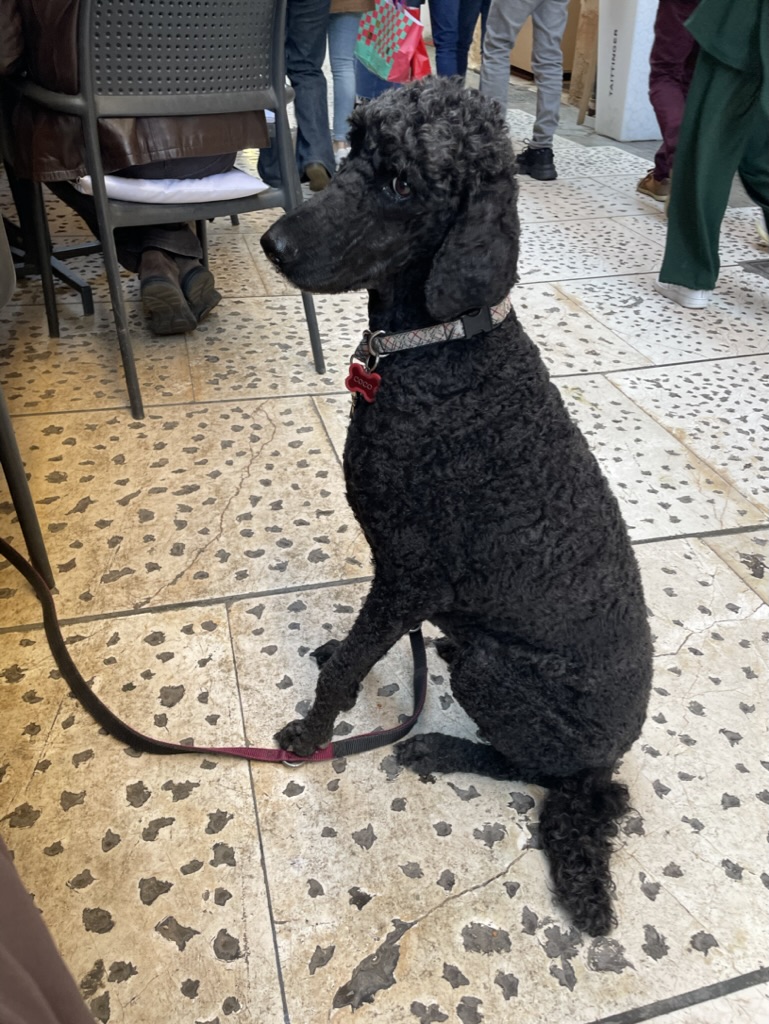
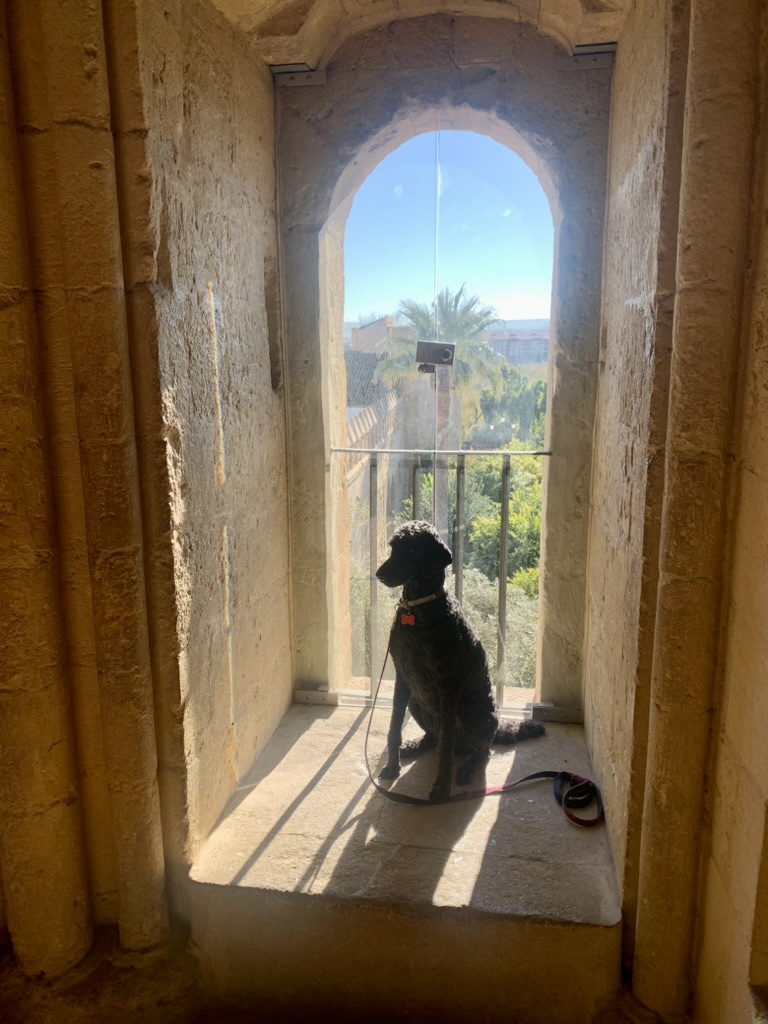
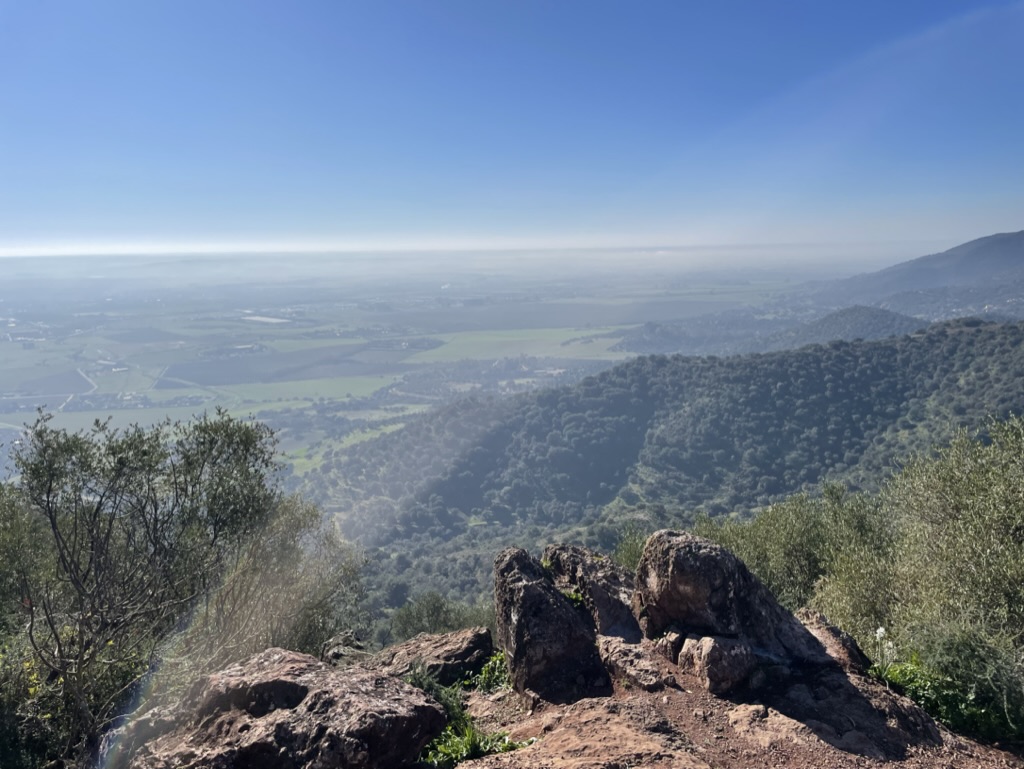
The first day in a new place is always difficult as we adapt to the culture of a new place. We have to figure out the quirks of the apartment, then of the neighborhood: where can we find a decent grocery store, a veterinarian for Coco, and a good park that tolerates dogs? Luckily for us, our building is in a working class neighborhood, refreshingly free of tourists, with lots of retail and lots of dog owners. We are walking distance to the Mercadona grocery, right across the street from a friendly vet’s office, and a five-minute walk to the sprawling Parque de la Asomadilla. This hillside park is a godsend, giving us a safe place to walk Coco and throw the ball, while allowing us a birds-eye view of the city and countryside in front of and behind us. Santa Rosa also has a small city hall at the end of our street with free wi-fi, so that partly solves that issue. Like Seville, Córdoba is filled with bike paths, and almost every sidewalk has a bicycle lane. However, most of the traffic therein is electric scooters, all piloted by teens and twenty-somethings who, judging by their general carelessness, are immortal. I know I sound like an old man here — of course, it’s preferable to have low-emission vehicles moving people instead of cars — but until we get used to looking both ways for them, I assume the next blog will be written from a hospital bed as I recover from a broken pelvis.

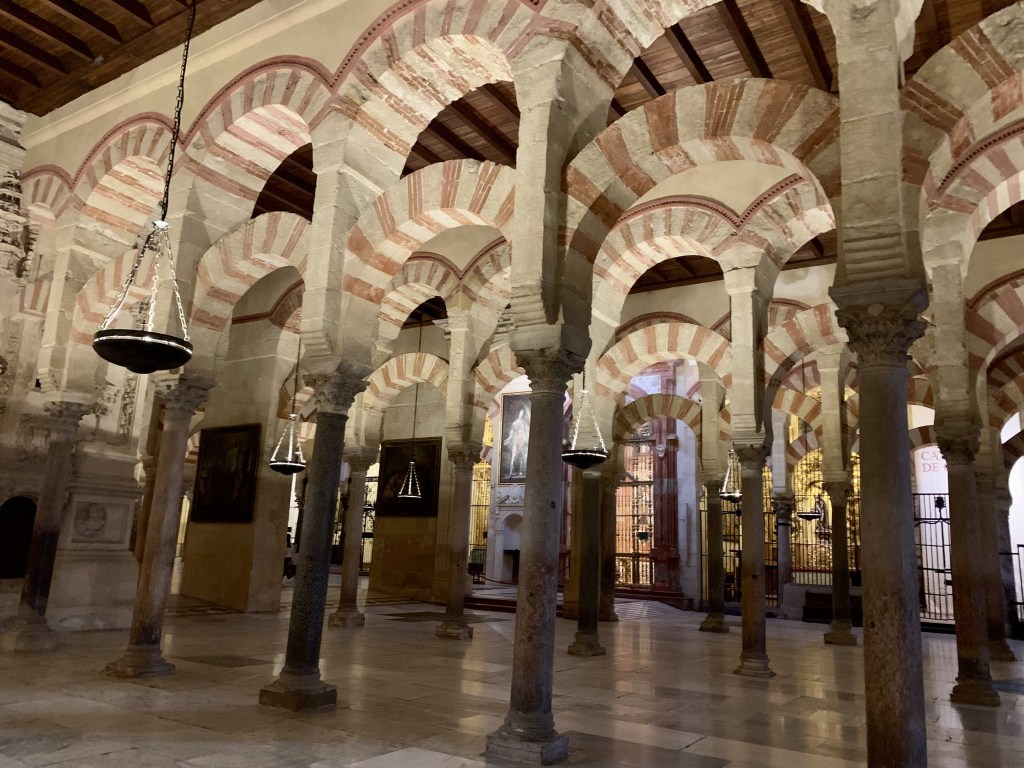
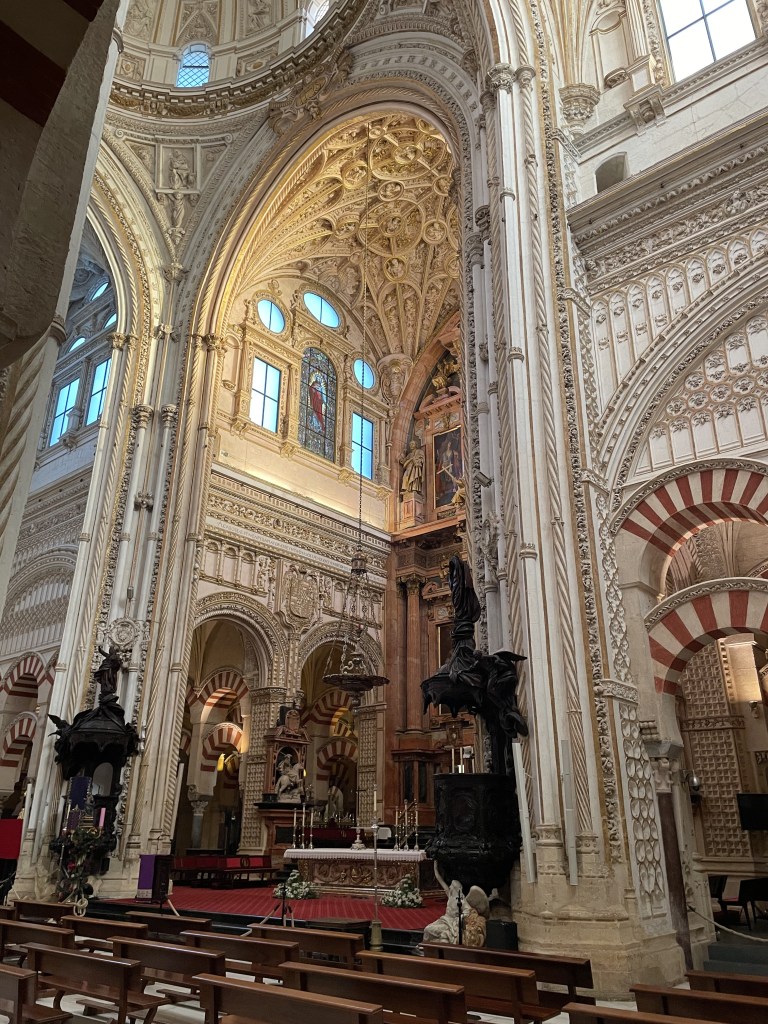
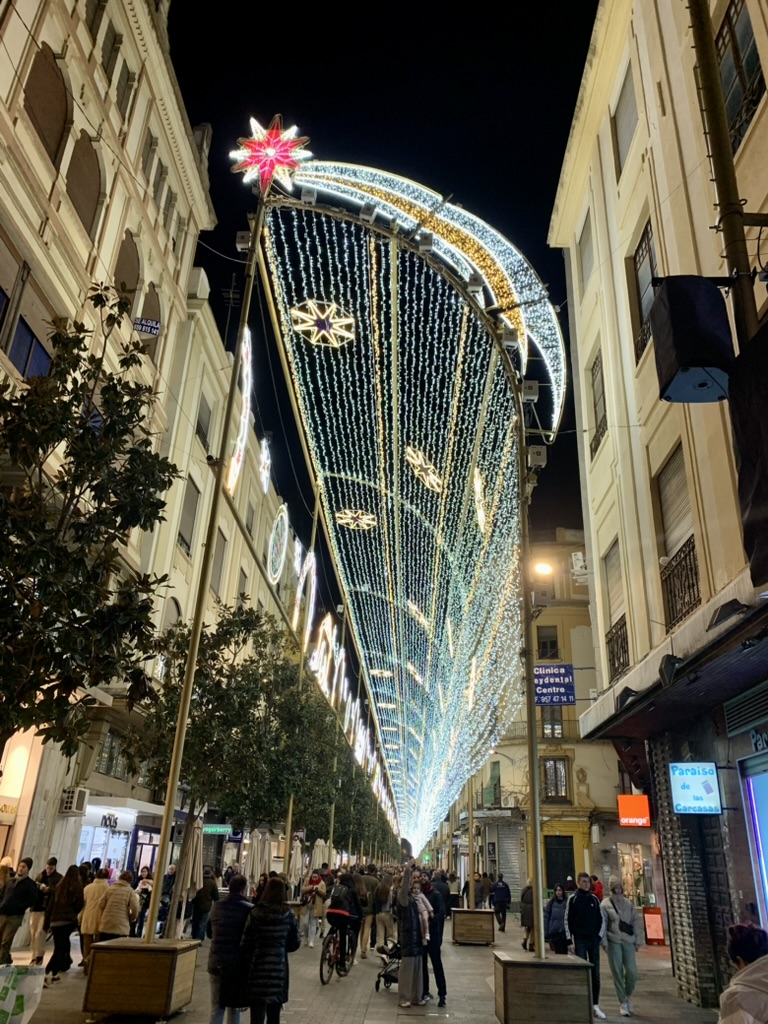
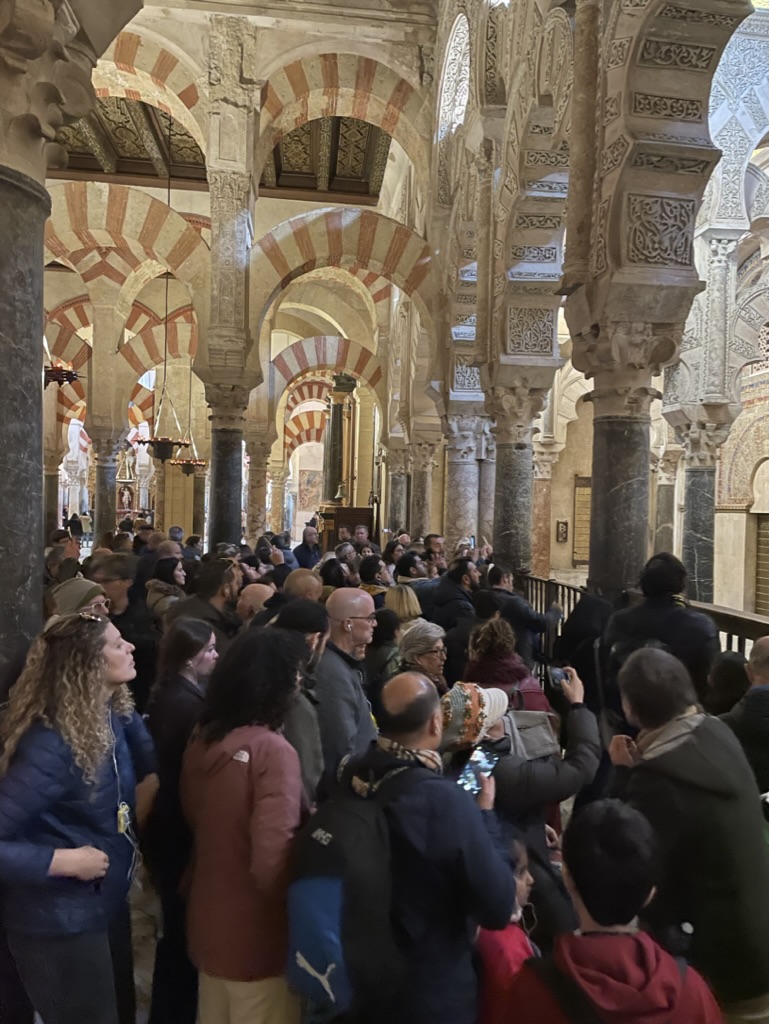
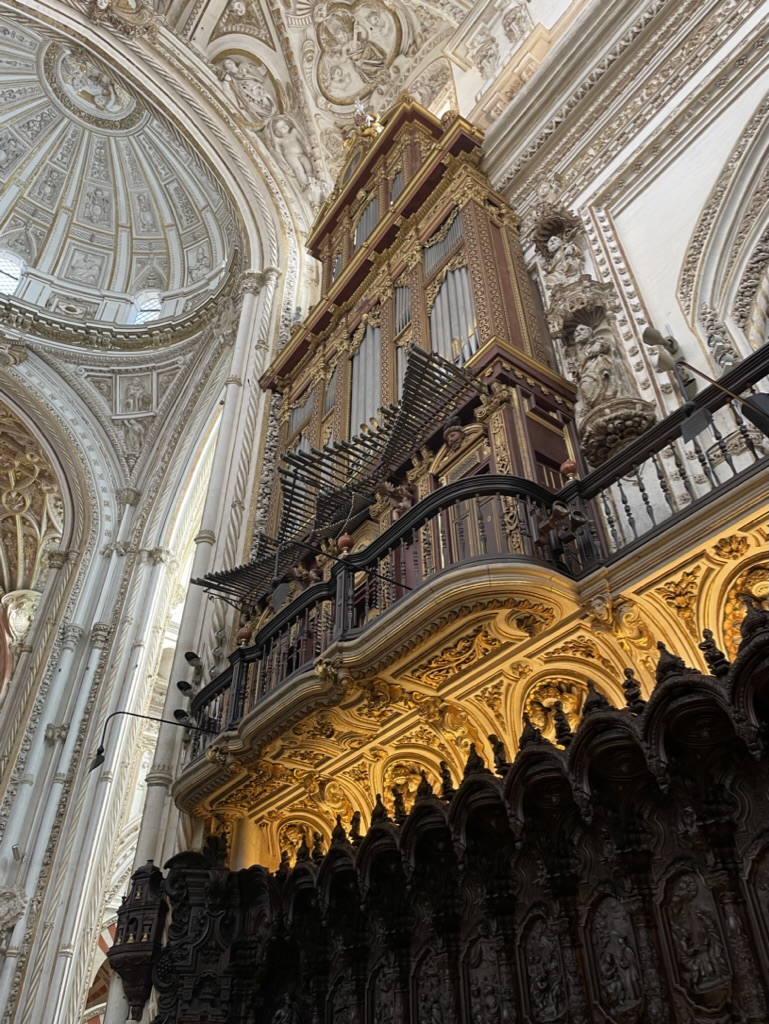
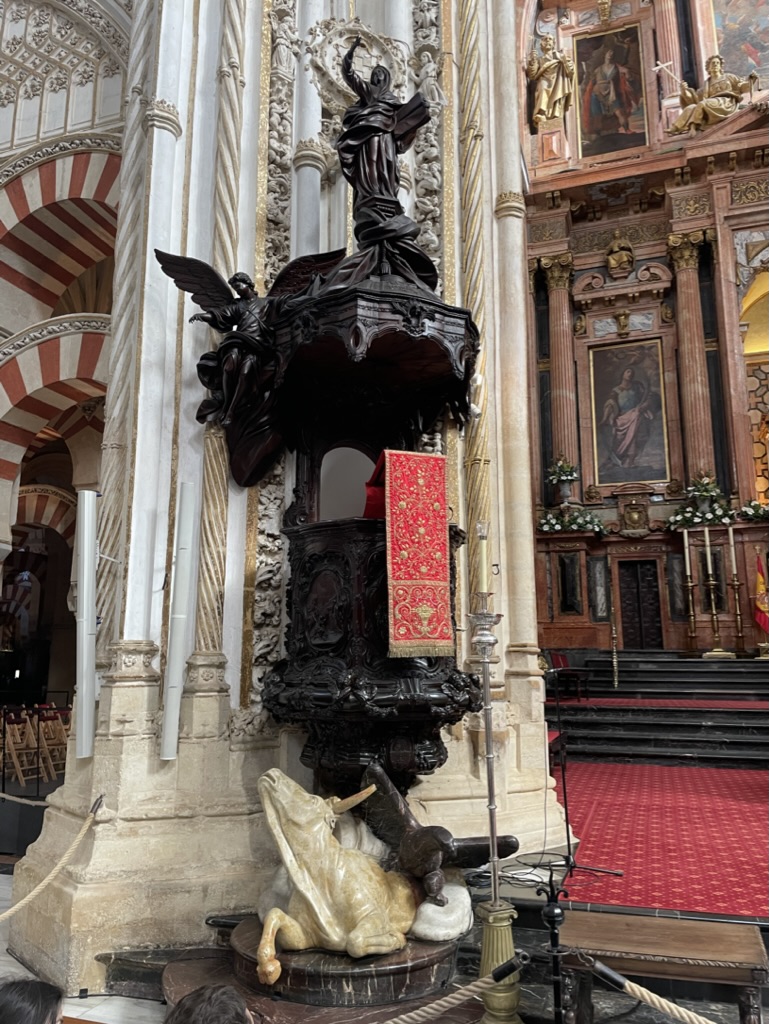
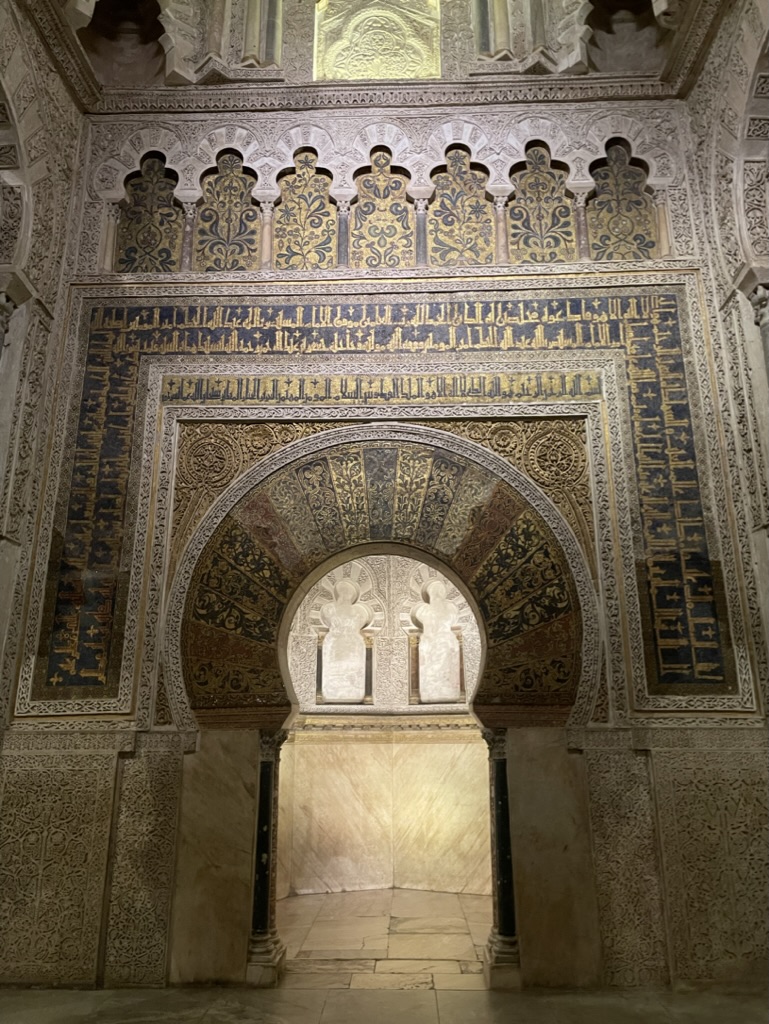
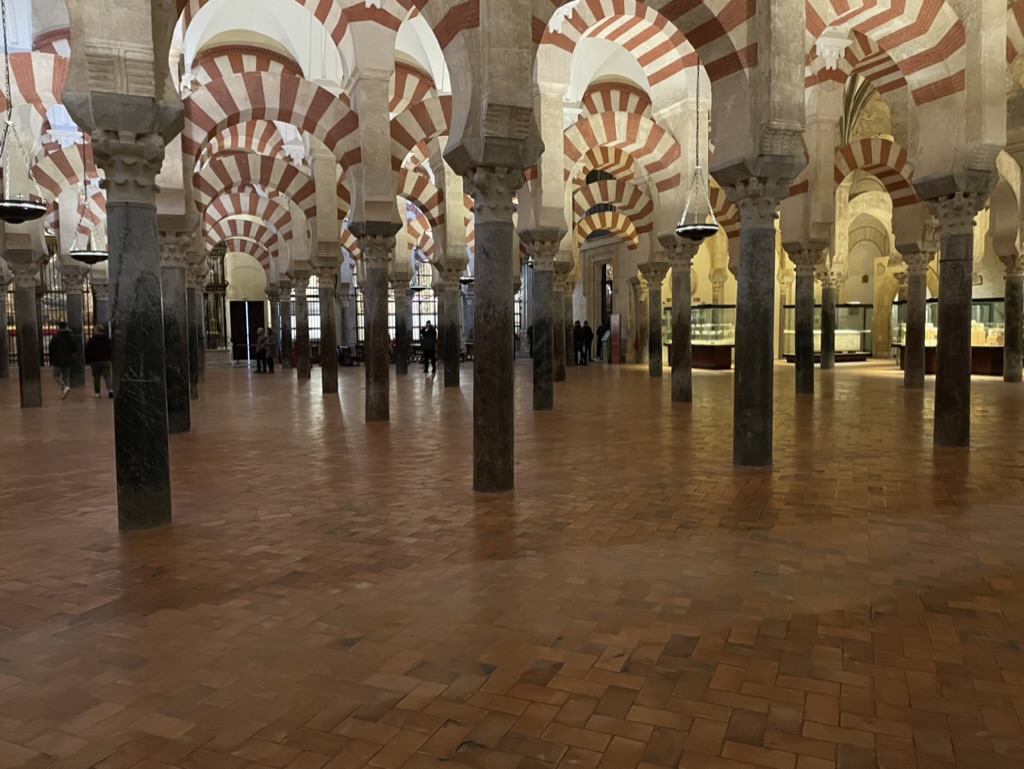
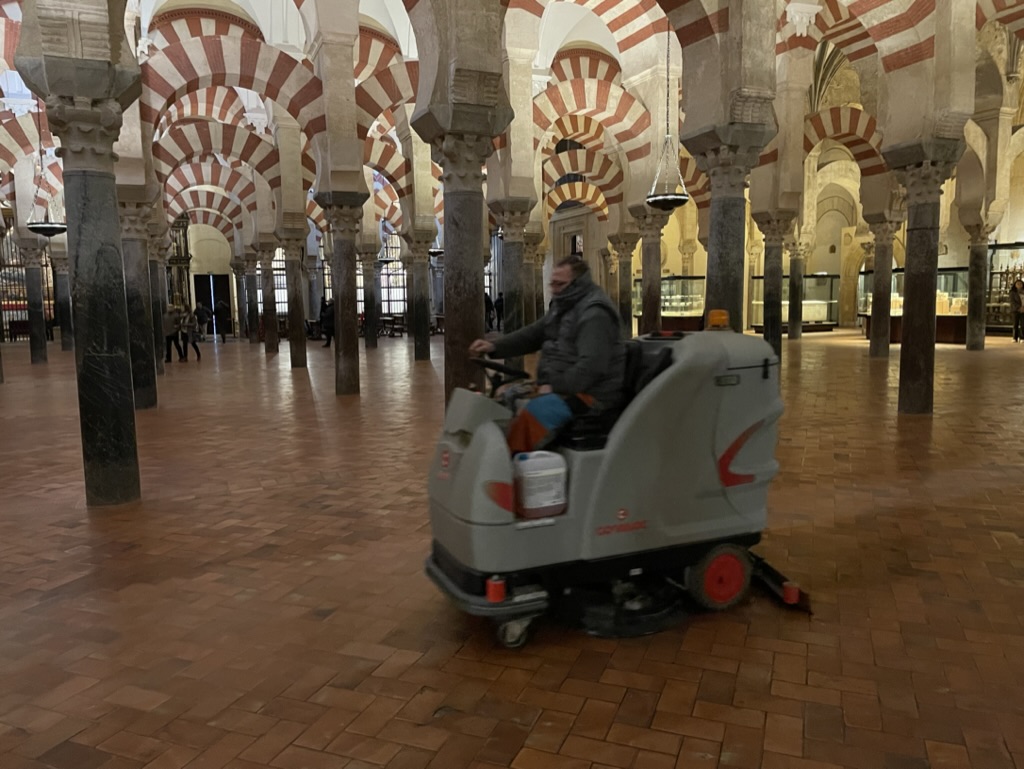
The morning after we moved in, we both woke up very early and decided to head down to the Mosque-Cathedral, known alternately as the Great Mosque of Córdoba, the Mezquita, and the Cathedral of Our Lady of the Assumption. We’d been tipped off that the place was free to all between 8:30 and 9:20 a.m., before the first mass of the day; after that, the building opens to the paying tourists. It’s about a 30-minute walk for us, first through Santa Rosa, the area slowly waking up after another late night, across the wide Avenida Al-Nasir, and through the Centro Comercial, the main shopping district of the city, all lit up with Christmas decorations. The Mosque-Cathedral is mostly empty at this hour, save for the thrifty tourists like us, young and old. We already have plans to come back for a guided tour so this is bonus time for us, and we wander around the building, the likes of which we have never seen. On the site originally was a Christian church, built by the Visigoths in the 6th century. The Muslims used the footprint to build the mosque and when the Catholics took over the government they decided to just cut a hole in the middle of the building and plop in their cathedral. Notably, every other mosque in Spain was destroyed by the Christians but, like us, they were probably overwhelmed by the beauty of this place and decided to preserve it instead. Denise gives them five stars for their early adoption of the reuse, recycle, and reduce system.

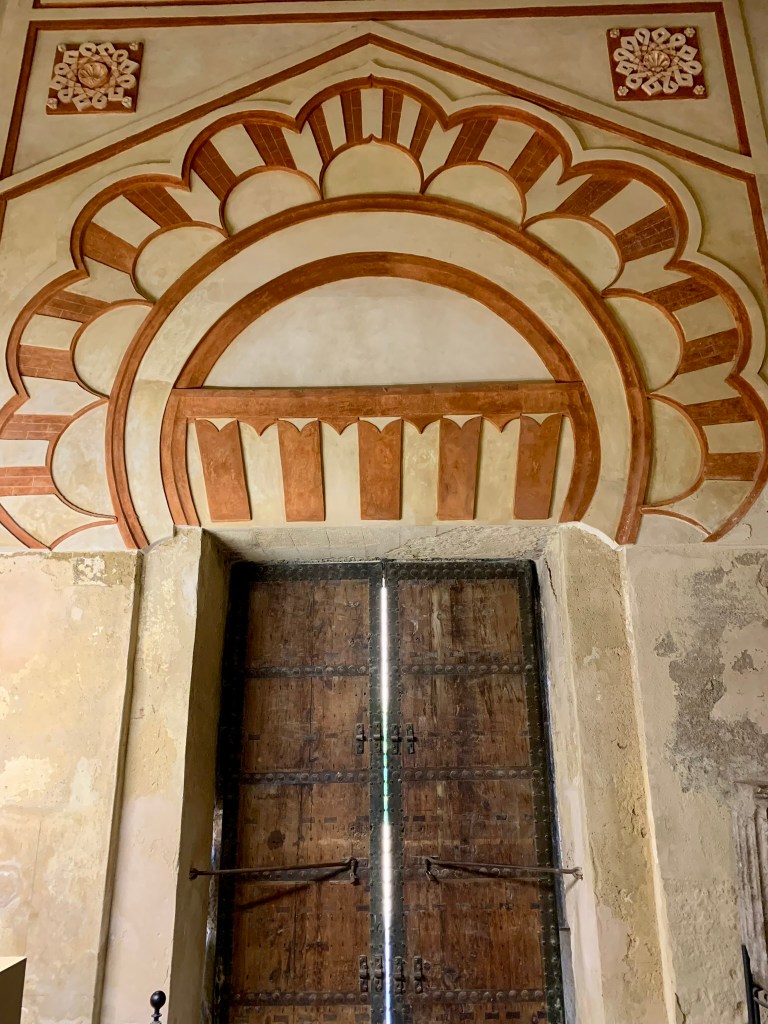
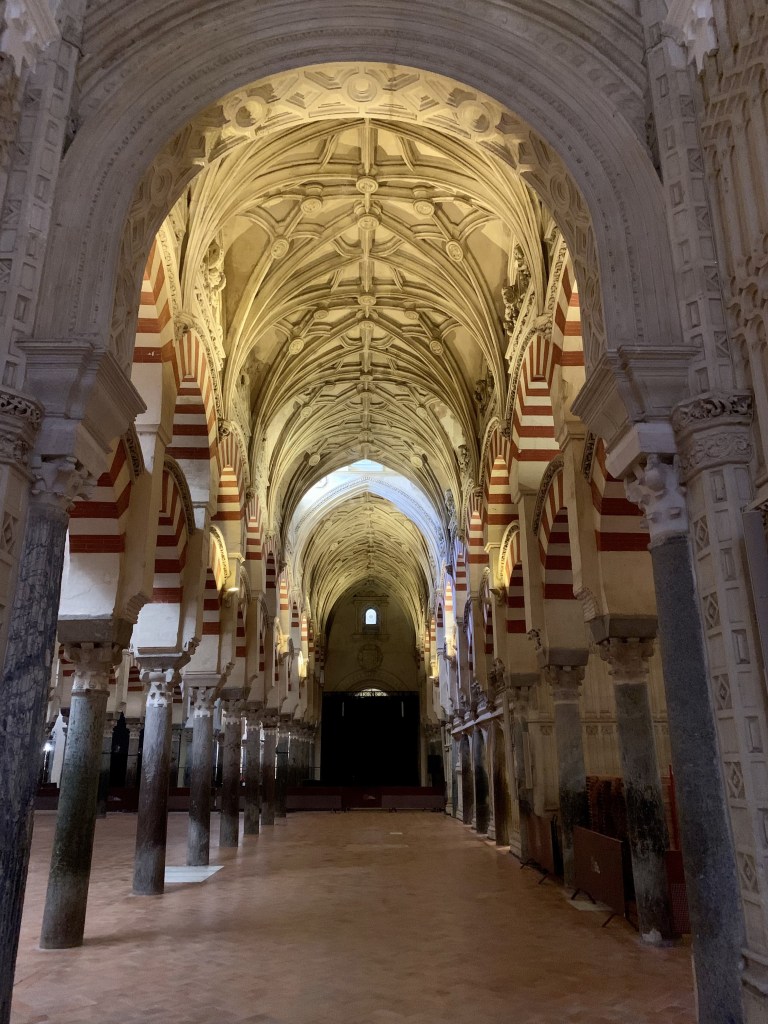
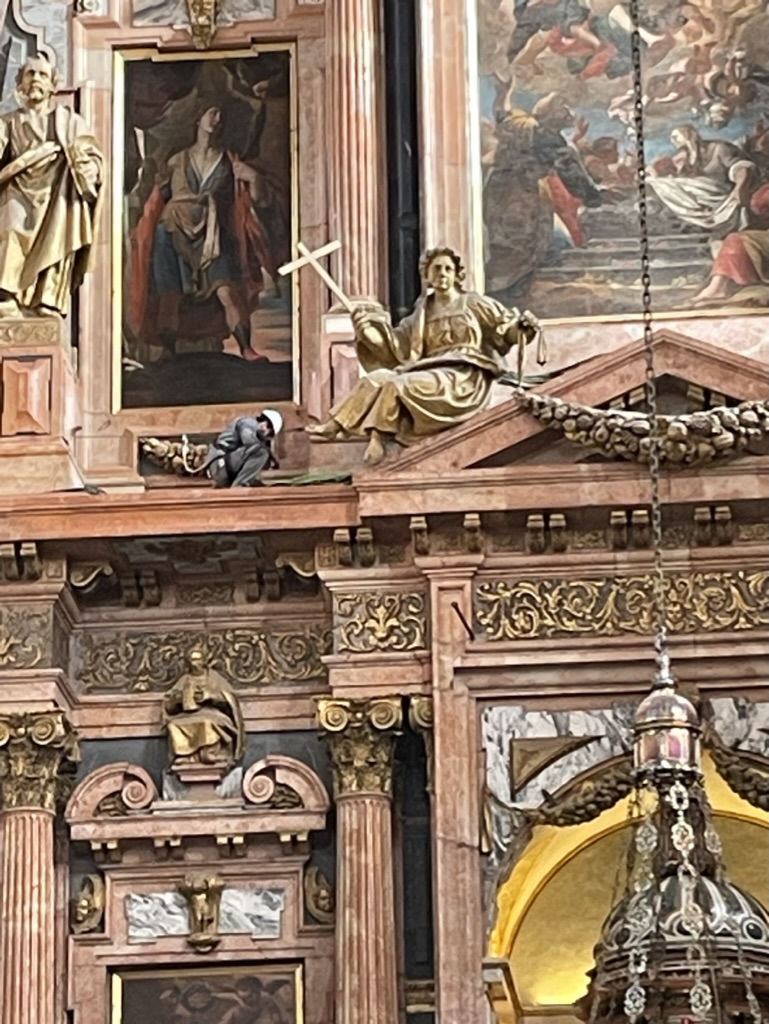
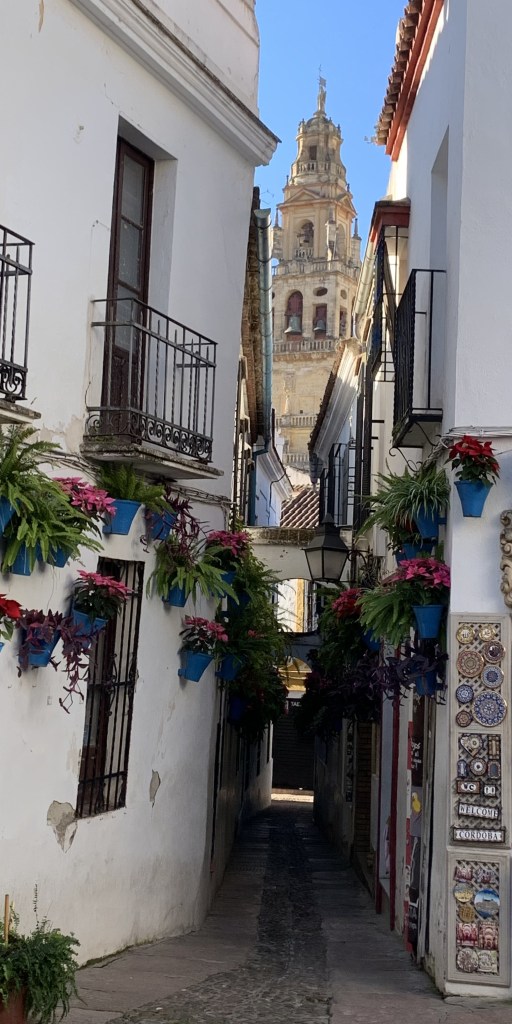
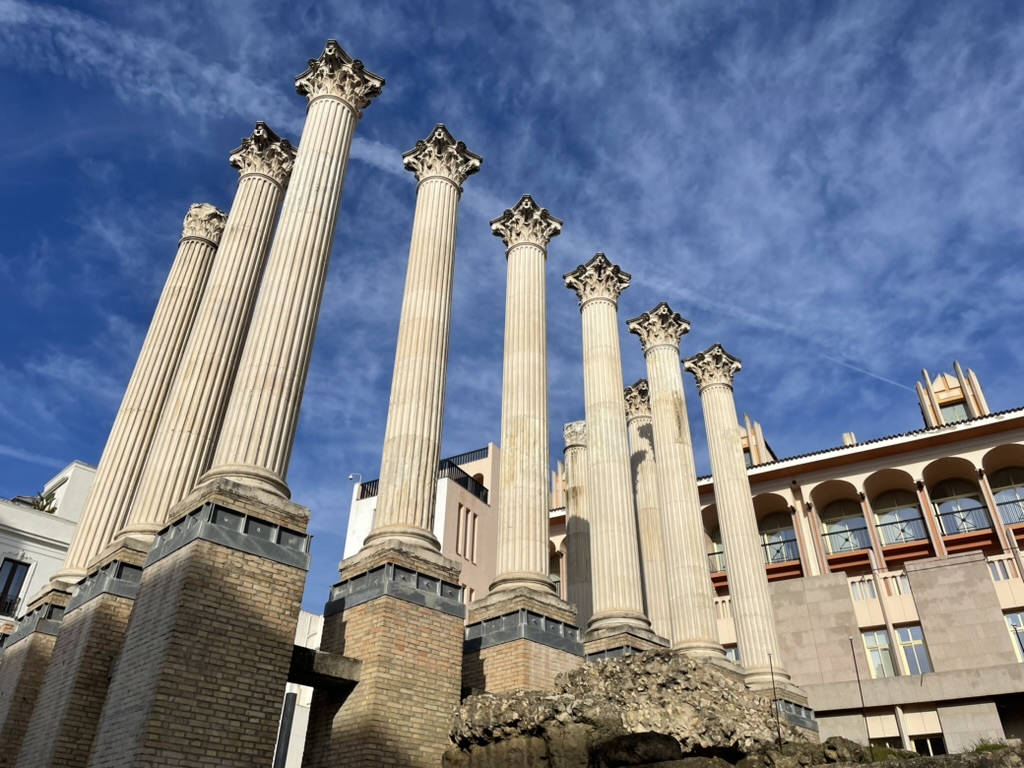
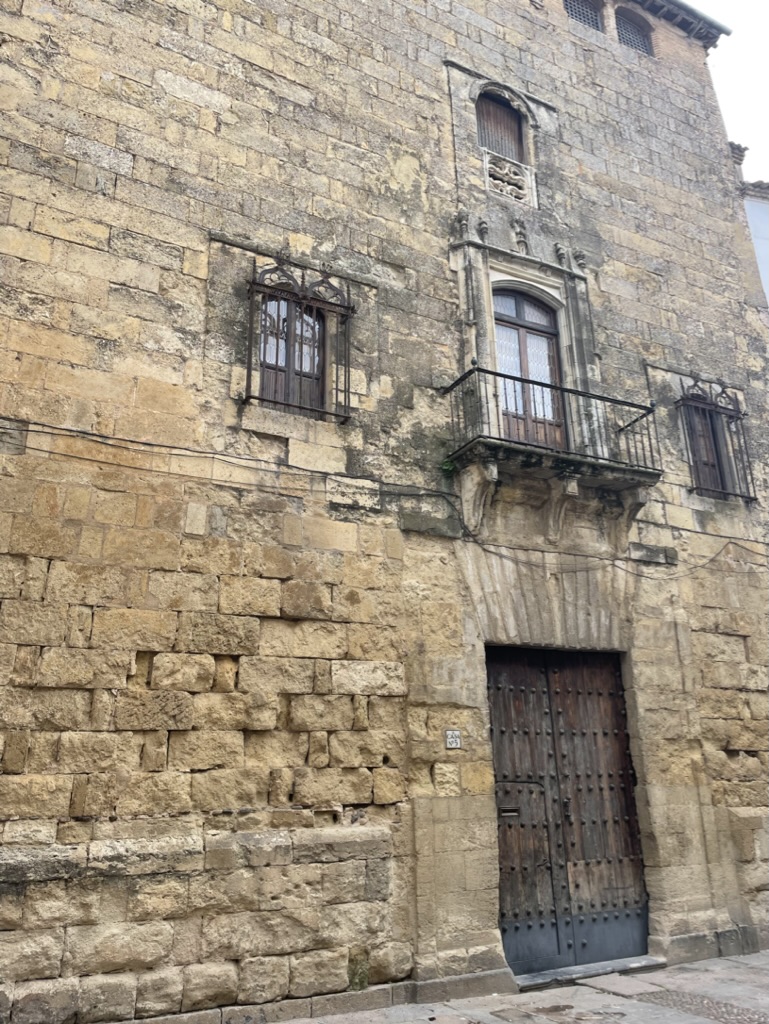
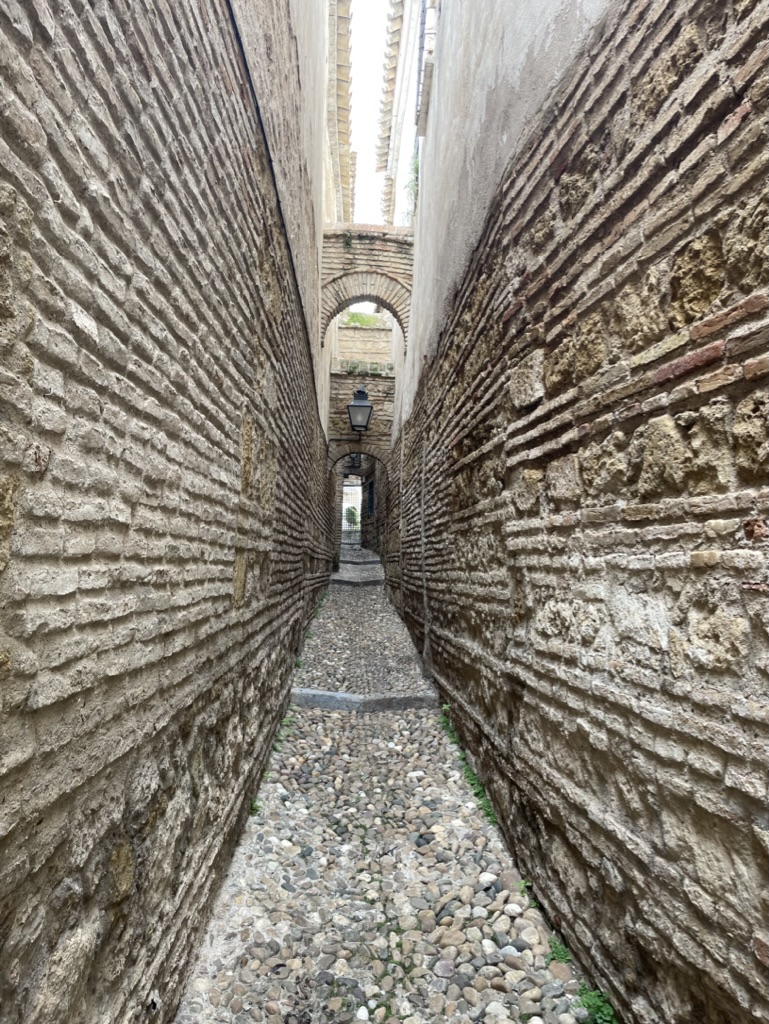
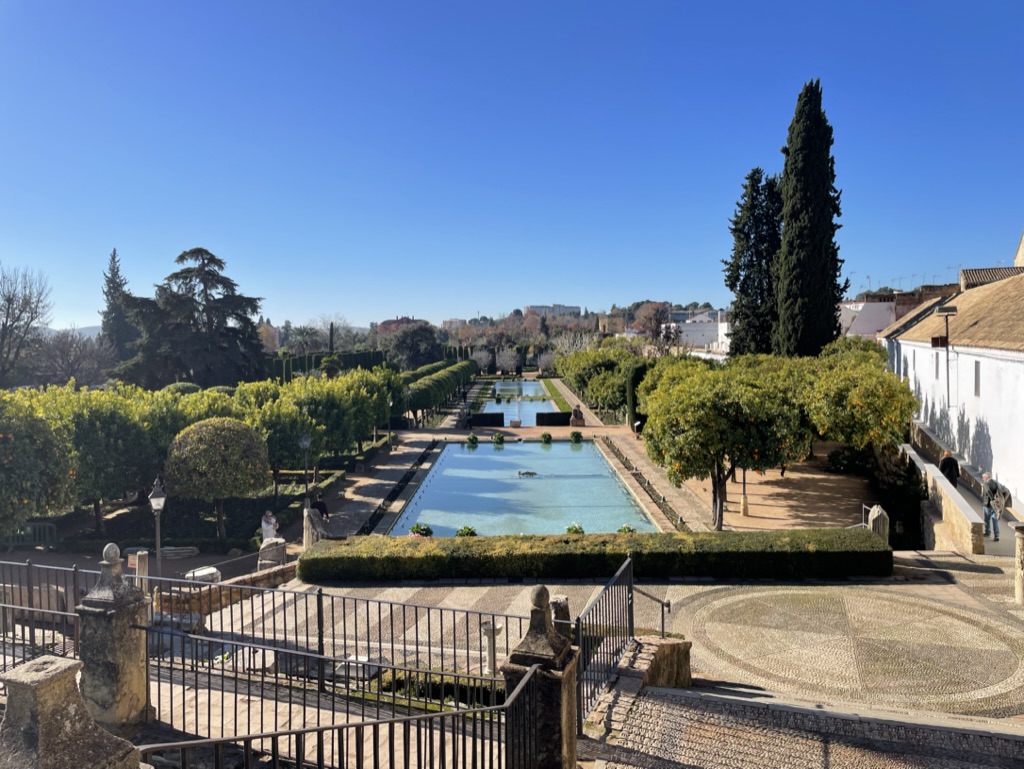
Córdoba (pronounced with the accent on the first syllable, we learned) is not quite as grand as Seville, but shares many lovely traits in common: charming narrow, winding streets — helping keep things cooler in summer, as it’s the hottest city in Spain, temperature-wise — lots of flowers on the walls of the buildings, large public parks, and a tremendous amount of history, much of it well-preserved. It’s a real pleasure to walk around town, getting lost, and letting the streets suggest routes. The only downside is that, unlike Seville, they allow cars down the old narrow streets of the center, causing pedestrians to have to hug the buildings as they pass. The architecture here is really interesting, ranging from mudéjar to mid-century modern, some going back thousands of years. We were, however, slightly disappointed to discover that Ricardo Montalban doesn’t live here and that there is no such thing as “rich Corinthian leather,” but we’re coping. (That joke is for our American friends of a certain age.)

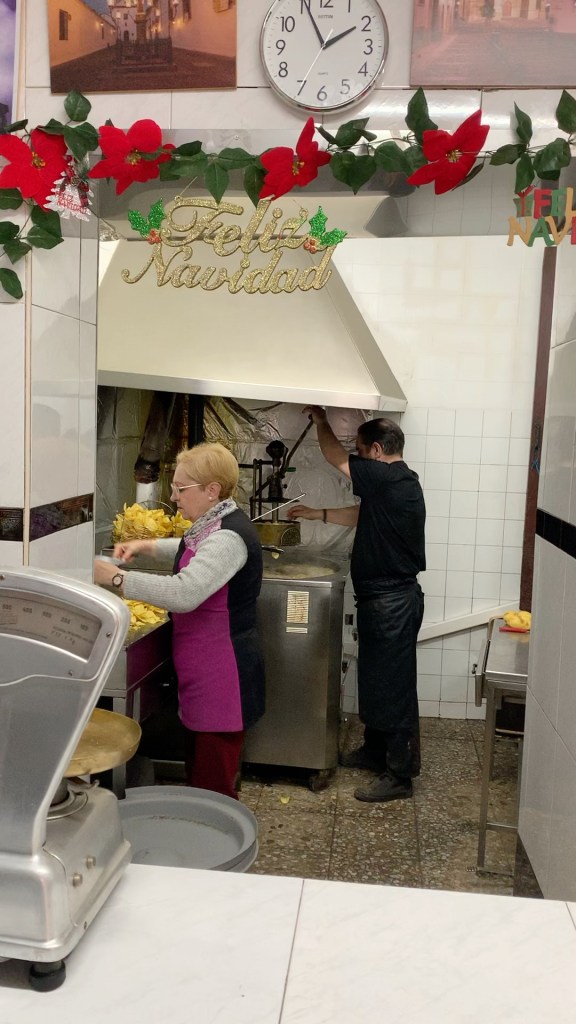
On the way back from the cathedral, we found ourselves in a residential neighborhood and noticed a line of people outside a shop with no sign identifying the business. We’ve learned that this is generally a good thing and we took our place in the slow-moving queue. Eventually, we discovered that the shop sold only freshly cooked potato chips — you could see them being prepared in the oil in the back room — and that the reason for the slow pace was the chatty woman running the register: she was more interested in visiting with her regular customers than actually selling the chips. We eventually made it to the front of the line right before she closed down for siesta and bought two large bags of the still-warm crisps for two euros each, although oddly there was only one bag left when we got home.
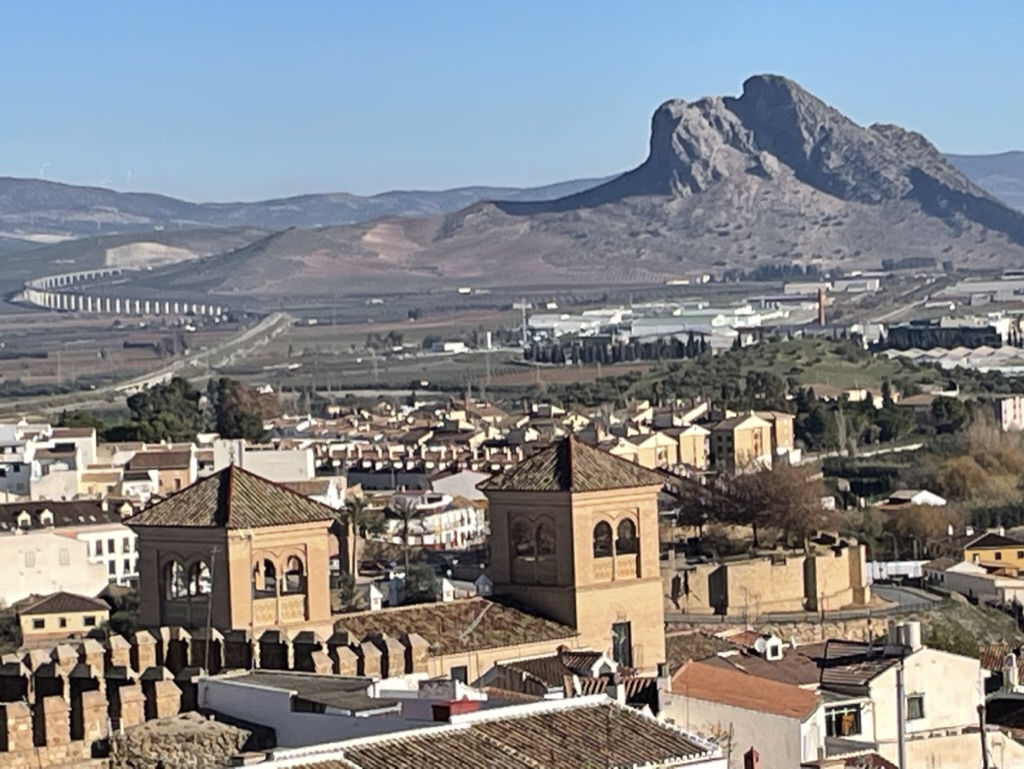
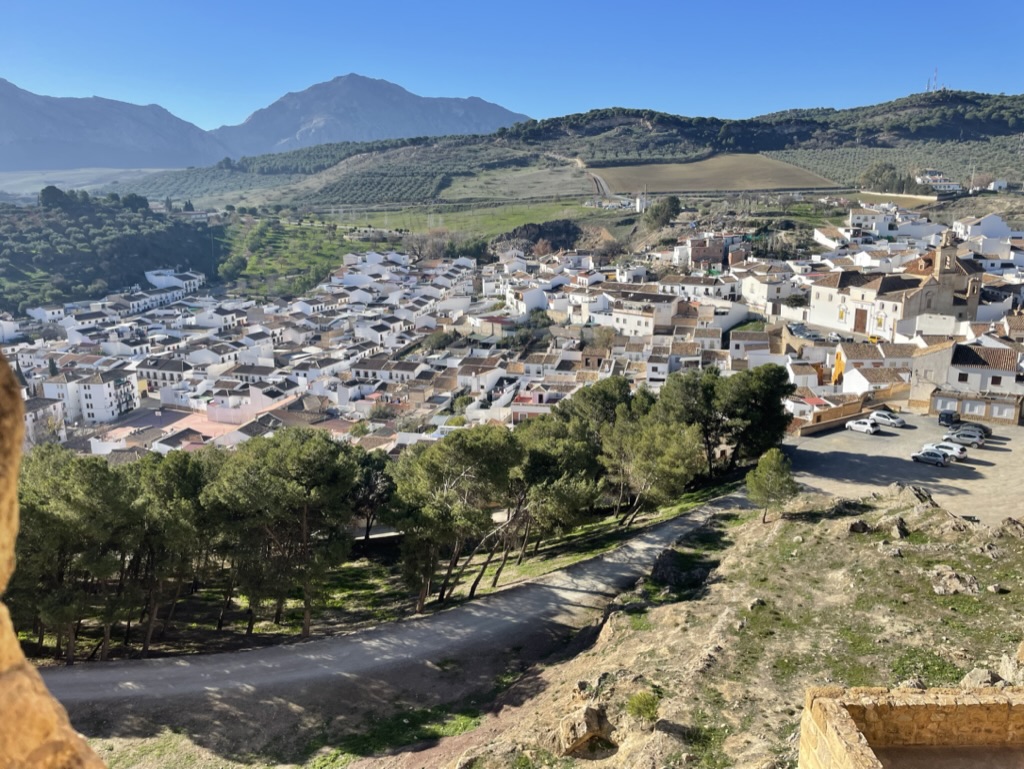
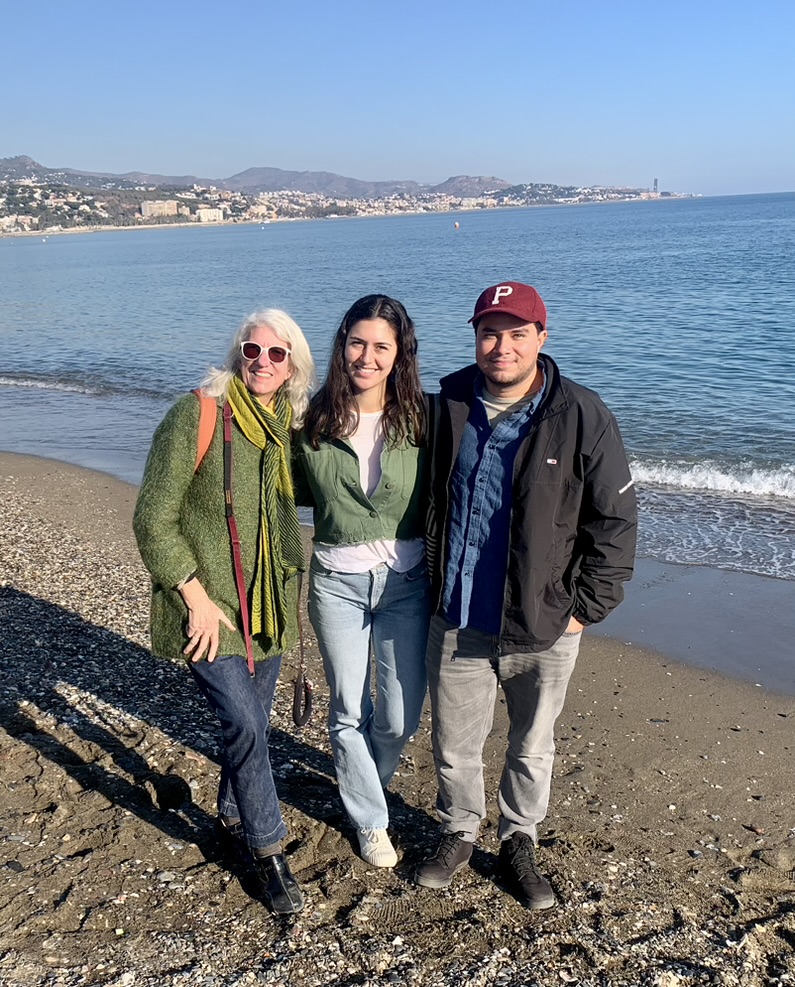
On the Saturday before Christmas, we took a drive down to Málaga, on the Mediterranean coast, to see our friends Andrea and John. Denise worked with Andrea in Portland and Andrea and John recently moved to Spain, where his family lives. It was interesting to hear their take on being young (in their 20’s), working people in Spain: not as rosy as you might imagine. John feels lucky that he was able to keep his job from the U.S. and telecommute, otherwise, he says that they’d struggle in the current Spanish economy. He feels like the taxes are too high on businesse and that serves to stifle innovation. As it is, they can enjoy a life that includes travel and possibly buying a house, things that are out of reach to many of their generation here. It was great to see old friends and to actually have a conversation in English with someone besides ourselves. On the way down there, we stopped in Antequera, one of Spain’s famed White Villages or Pueblos Blancos, referring, we hope, to the white-washed buildings prevalent in the town.
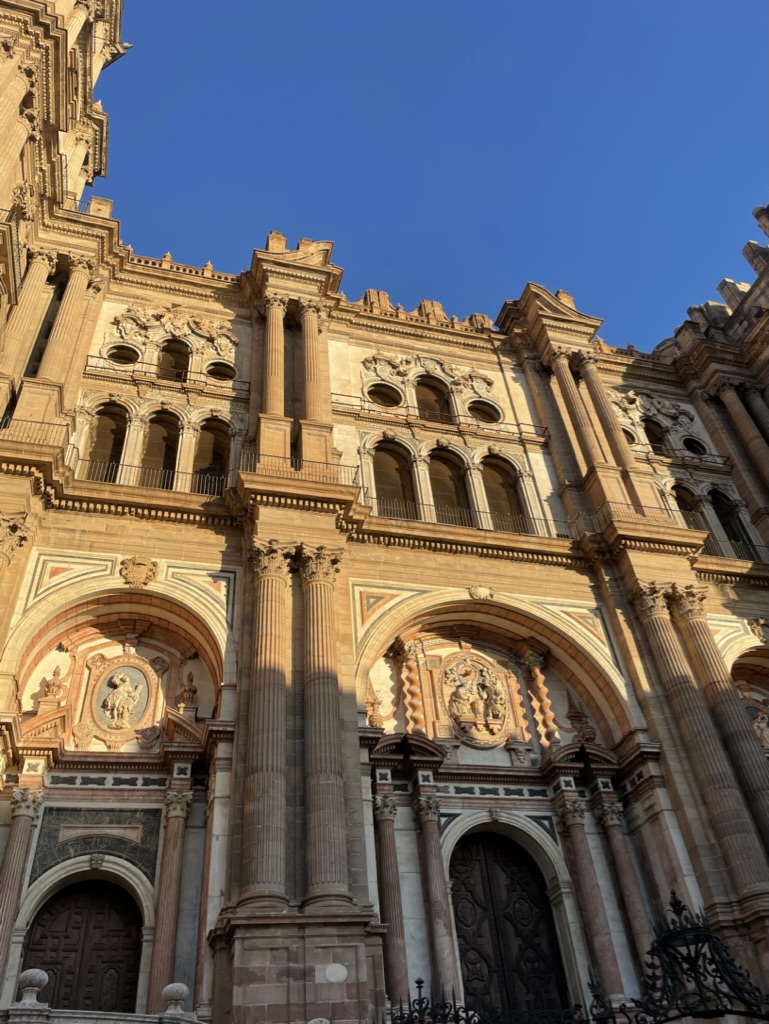
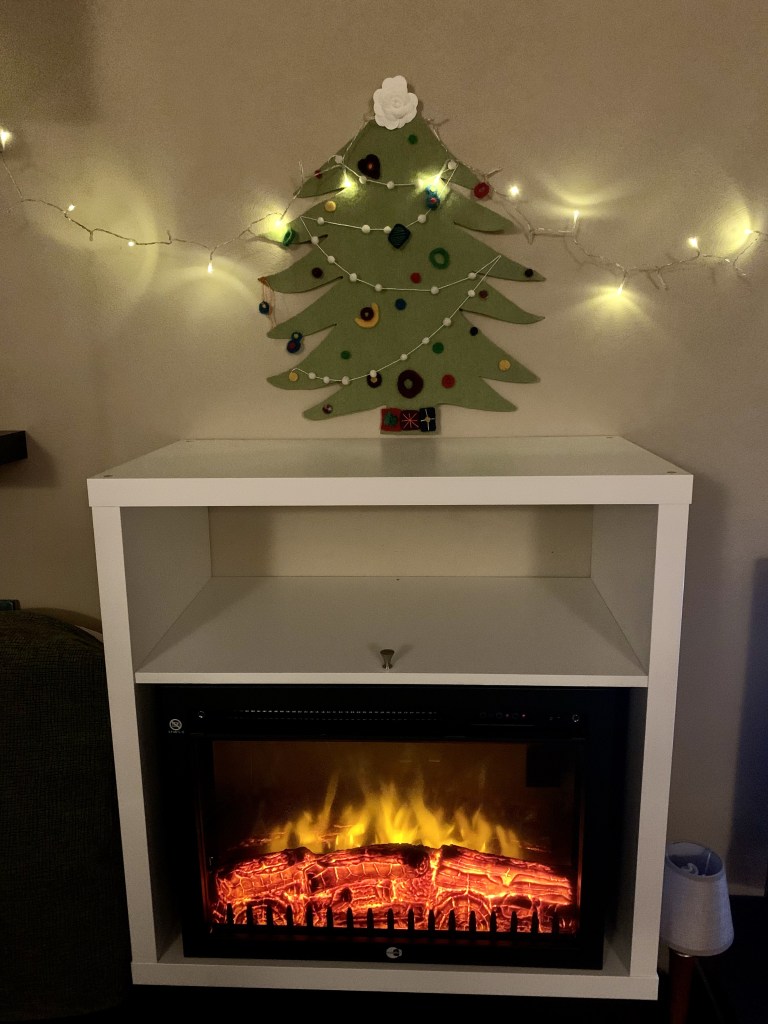
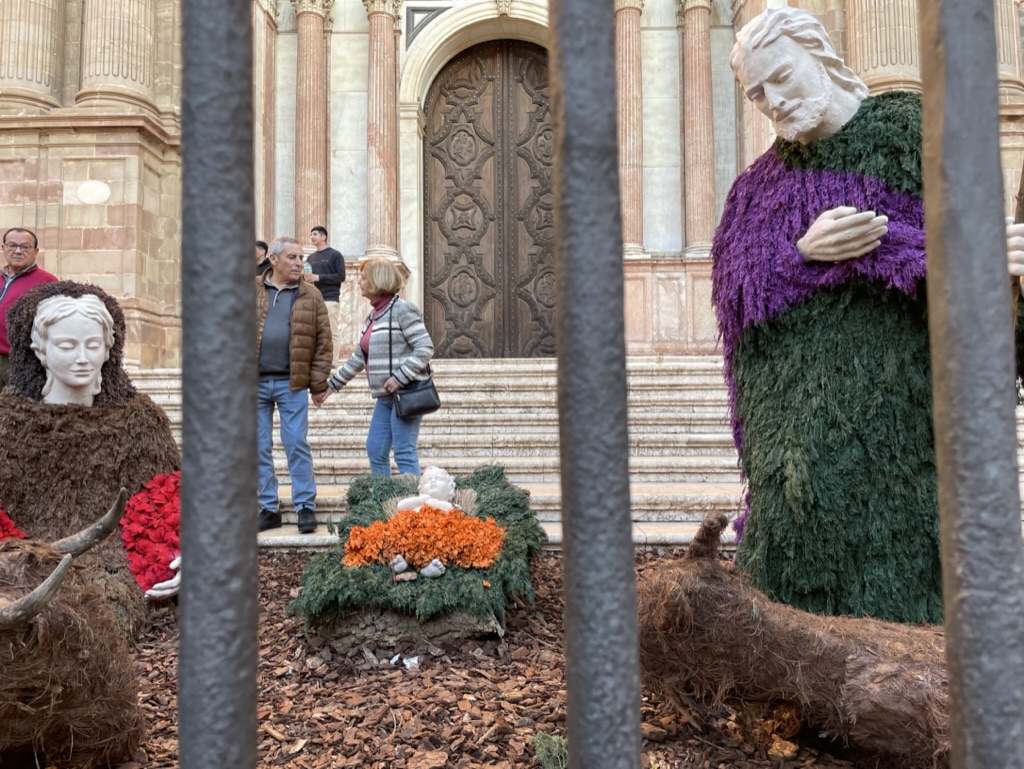
The Spanish people go wild for Christmas: our host told us that the neighborhood can get noisy with the celebrations, and that they celebrate into mid-January. Traditionally, their gift-giving day is January 6th but, unlike most European countries, they have no version of Santa Claus: instead they exchange gifts on the day that the Three Wise Men are thought to have arrived in Bethlehem. Like their Portuguese neighbors, Spaniards go wild for the nativity scenes — here called Portal de Beléns — and you see them everywhere, from shop windows to church altars, and I think they take the place of the Christmas tree, as we haven’t seen any of those.
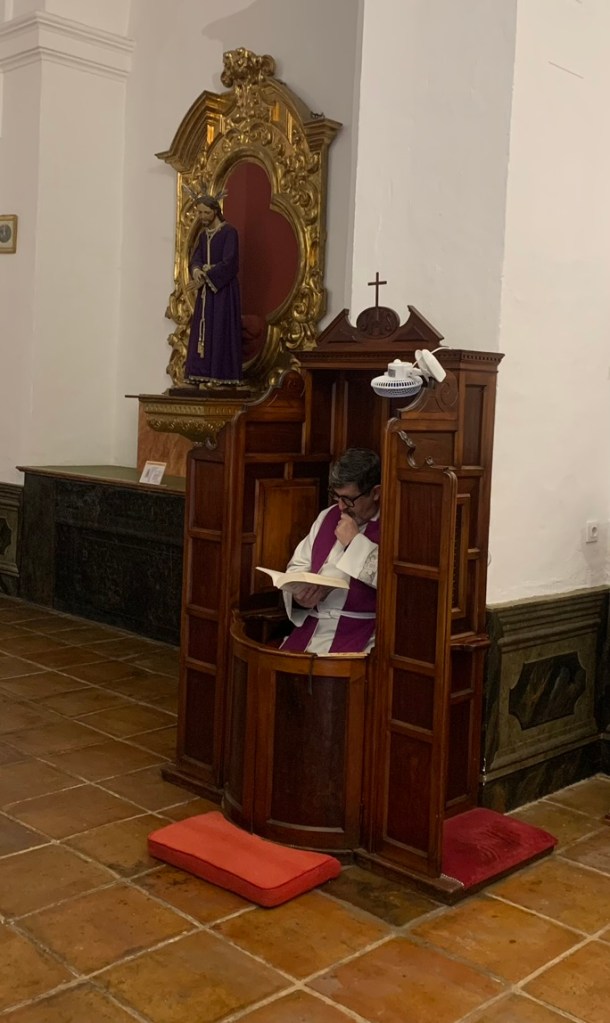
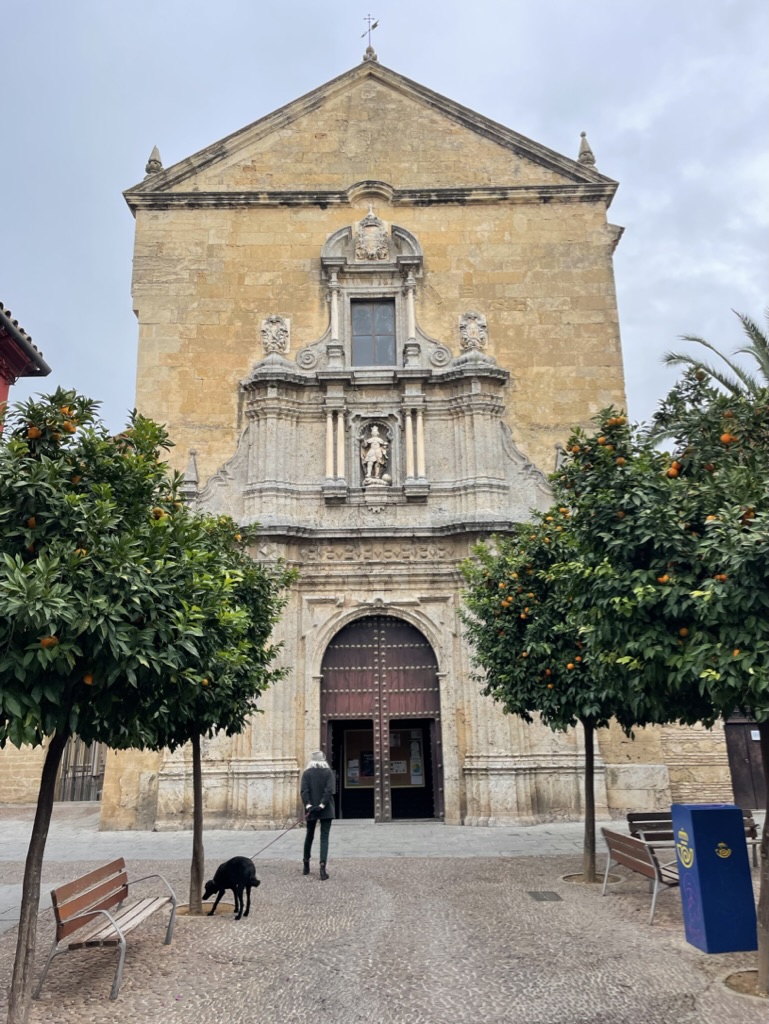
On Christmas Eve, the streets were empty for family time from about 4 p.m. until noon on Christmas Day. Then many families gather for a long lunch at one of the city’s many restaurants, where reservations were booked up months ago. On the 25th, we chose to wander around the city and happened upon a 16th-century church where the priest was just getting ready to say mass for a few dozen neighborhood parishioners. We sat down and tried to follow along with the Spanish-language Mass — my first time in a church since Denise dragged me and the boys to Assumption Church in Walla Walla on Easter of 2005 — and it was a mercifully brief 30-minute service, sans hymns, which saved me from having to pretend to sing. I should be good with G*d for another twenty years.
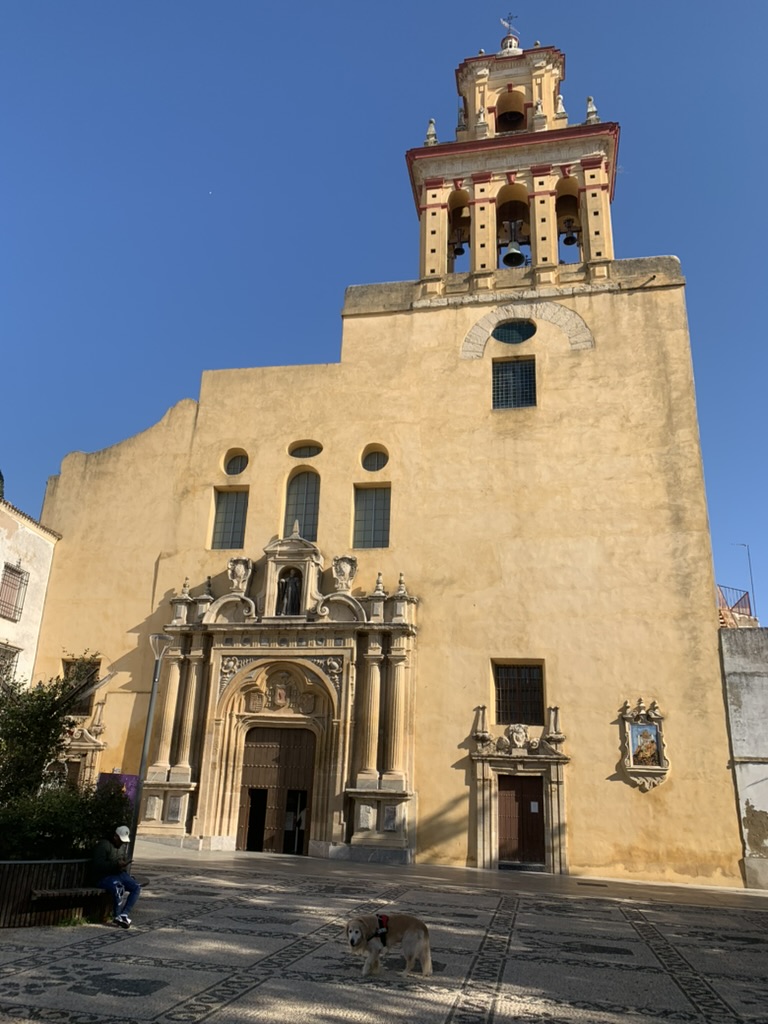
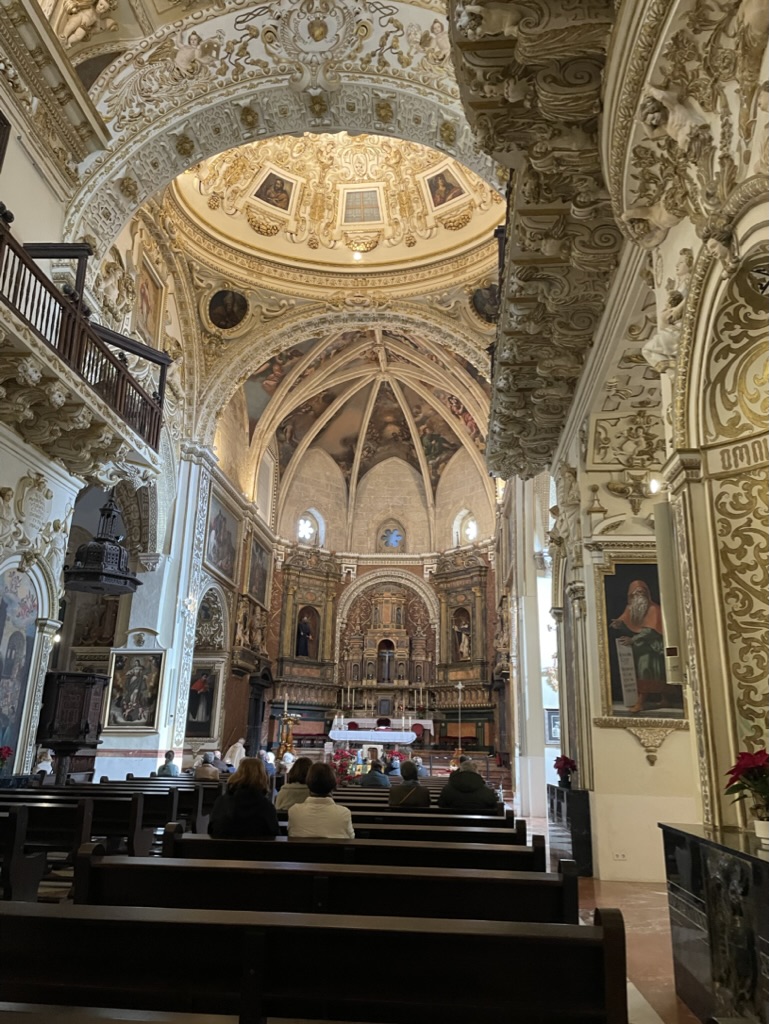
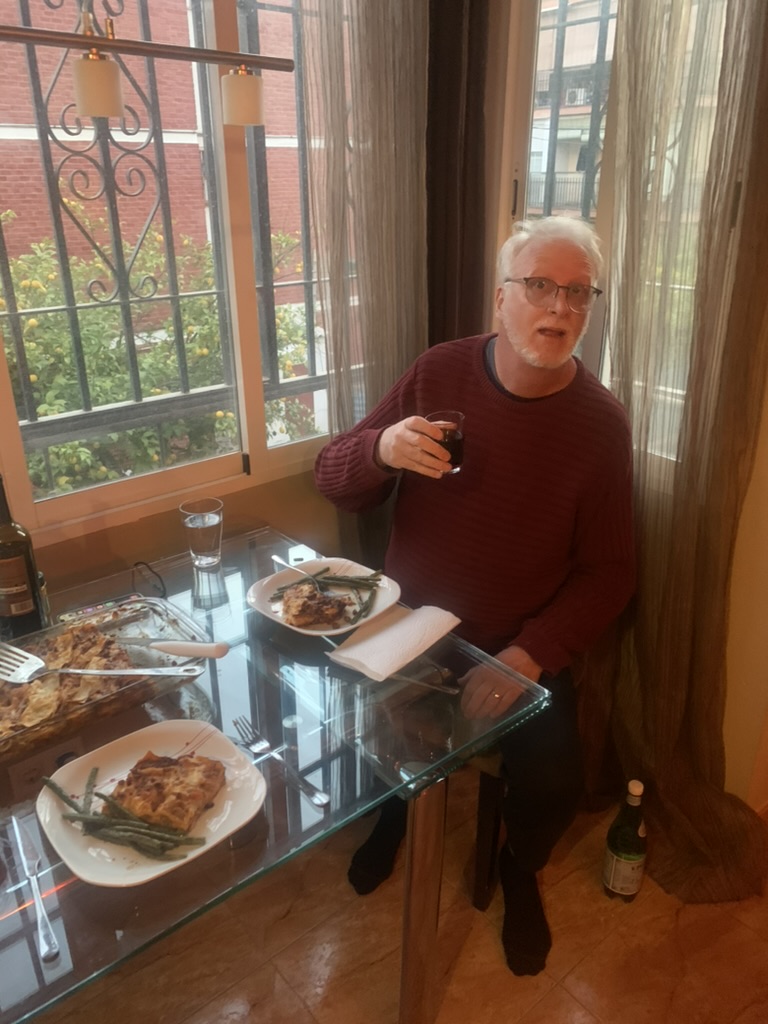
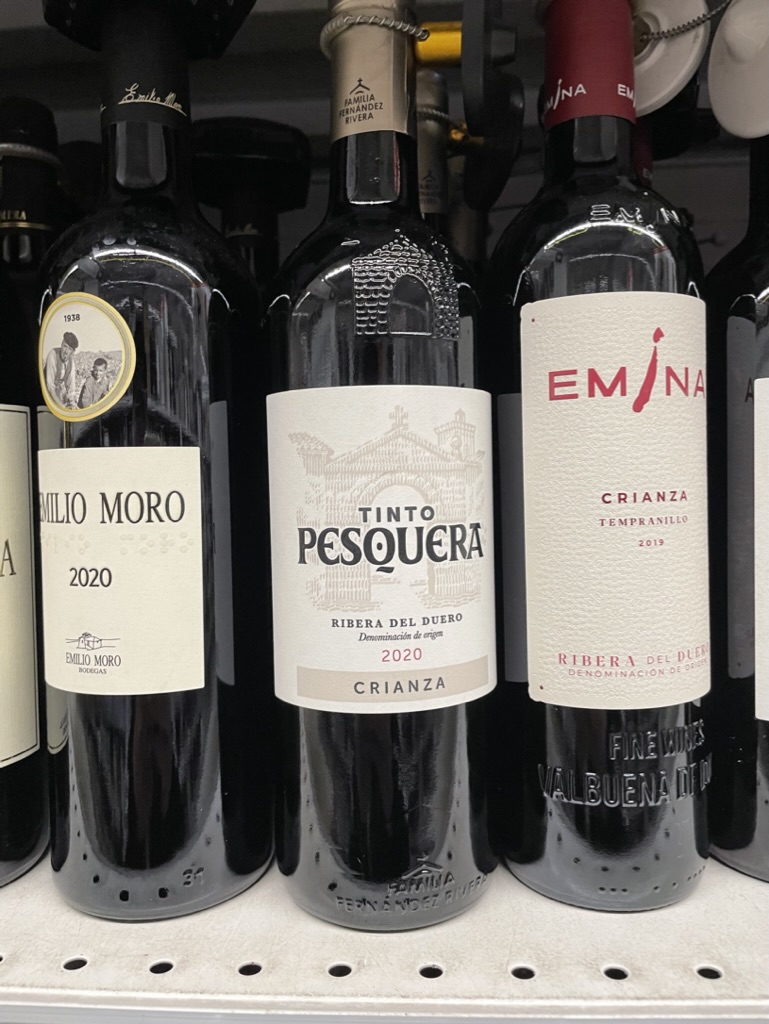
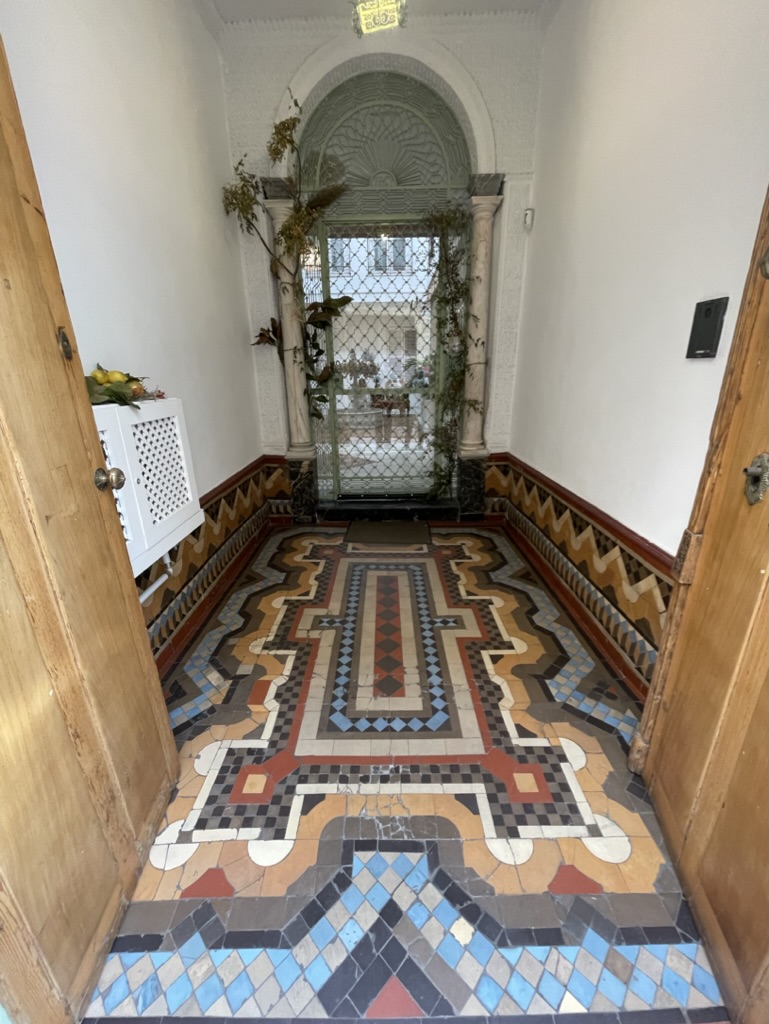
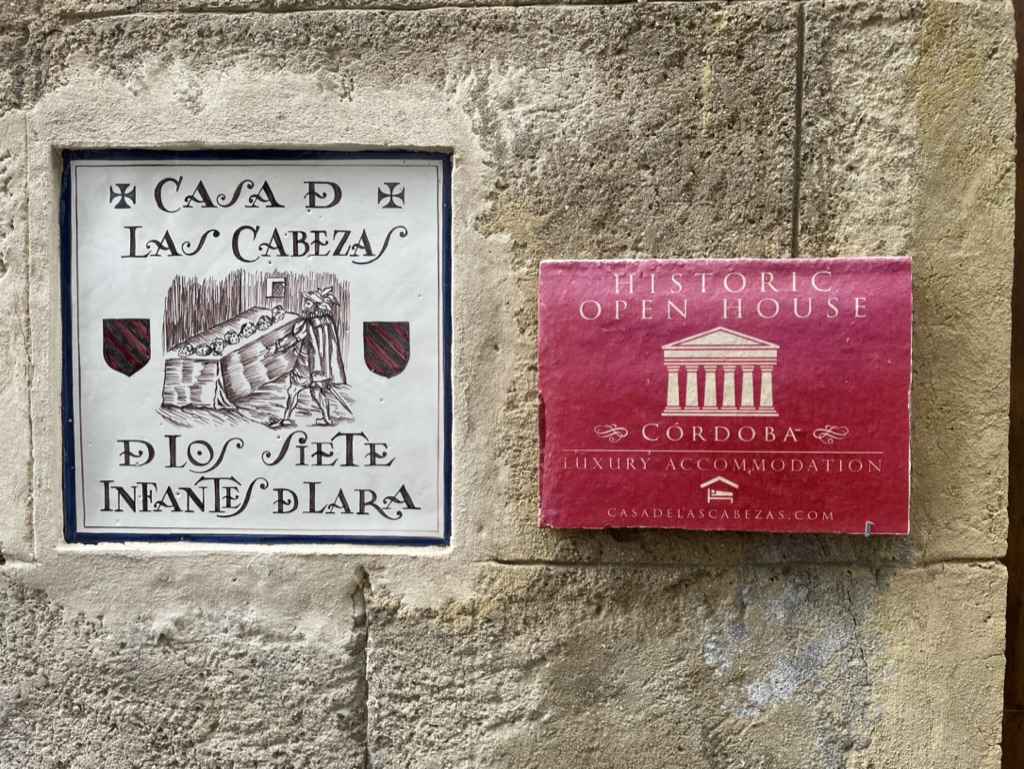
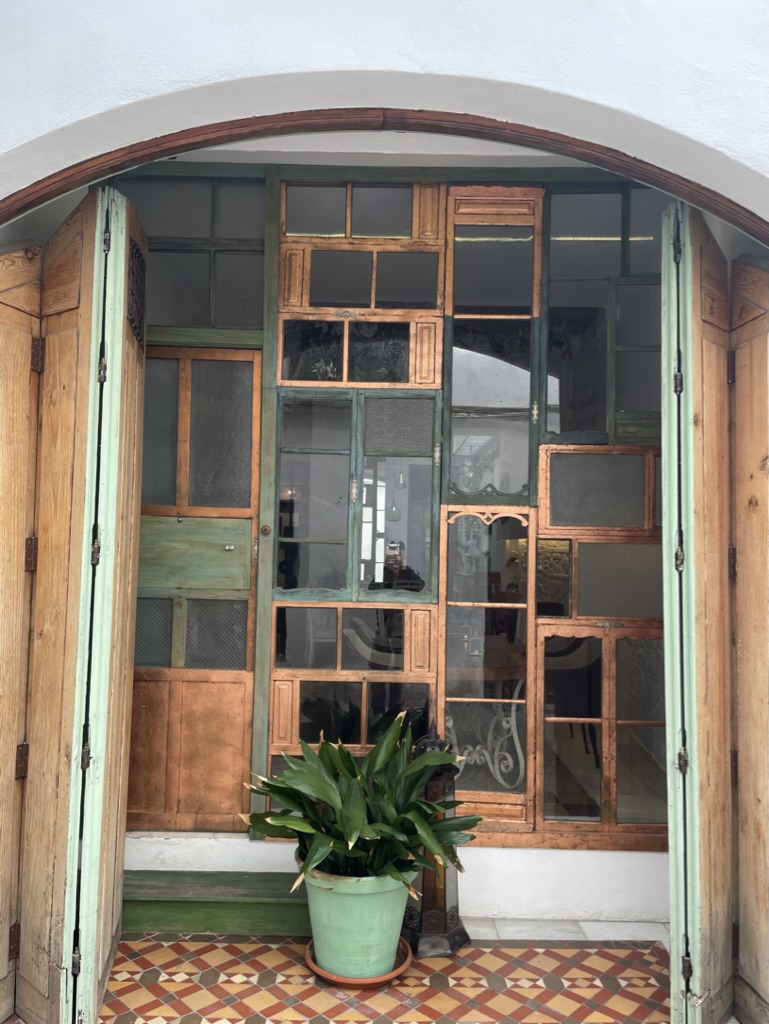
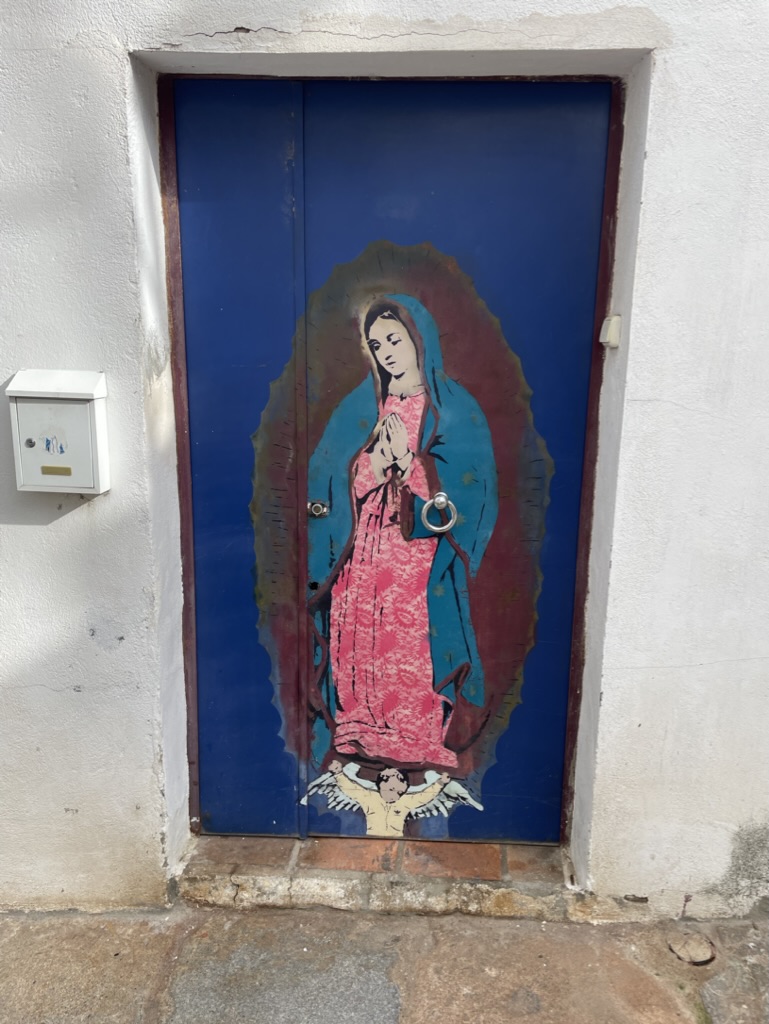
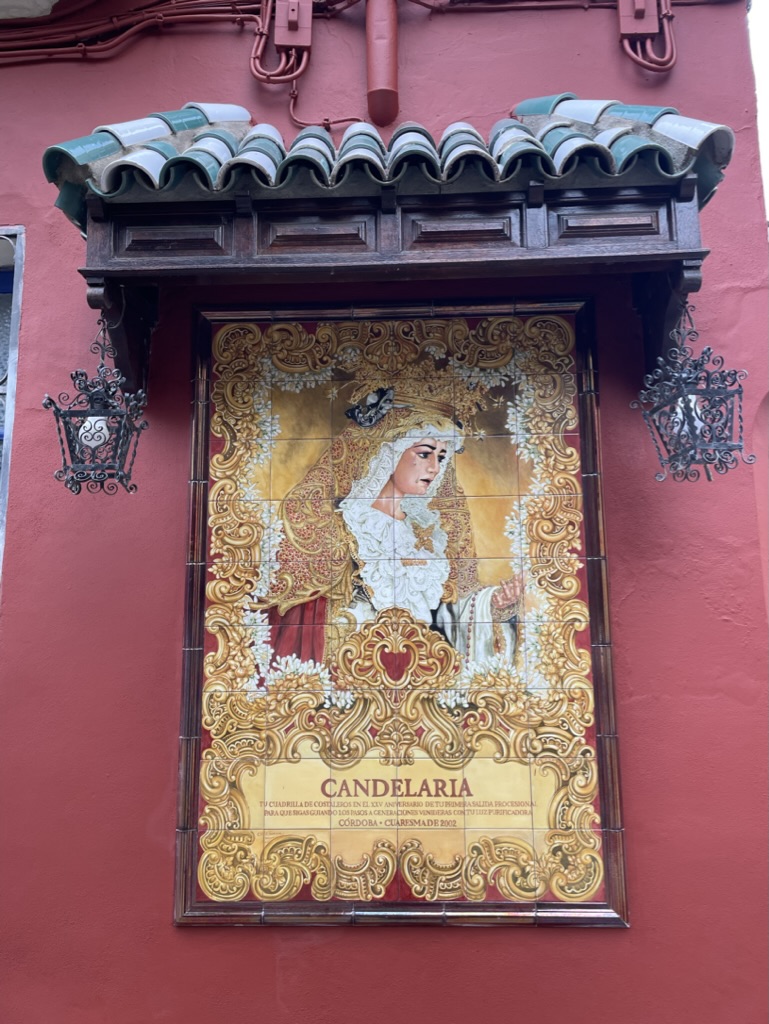
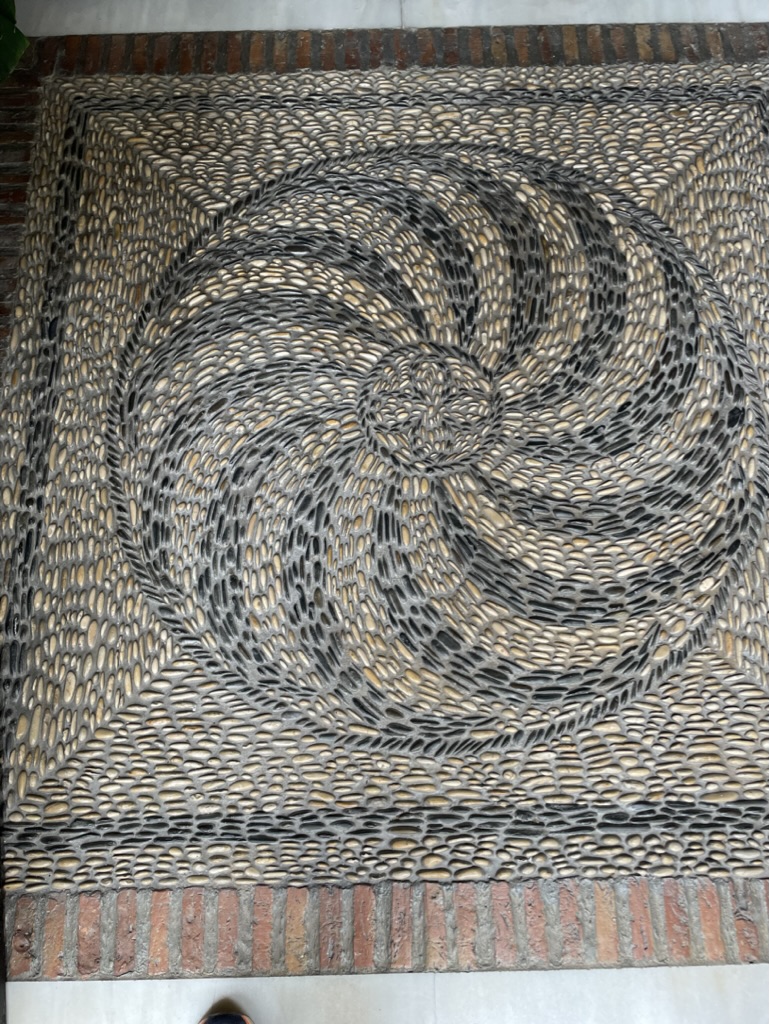
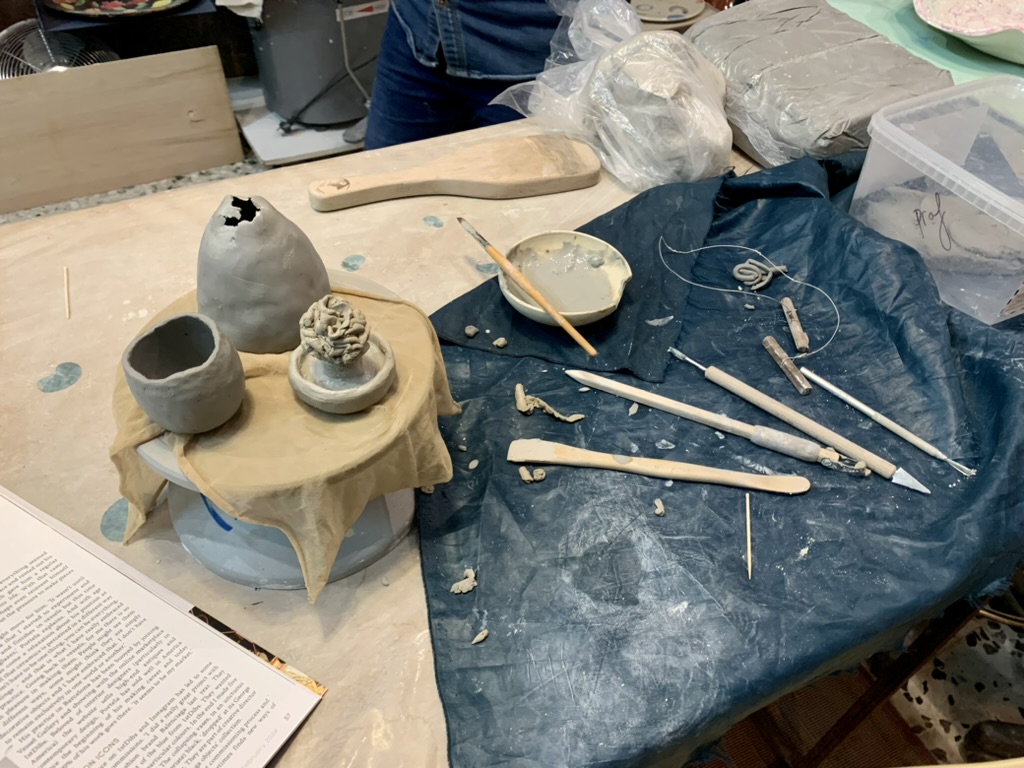
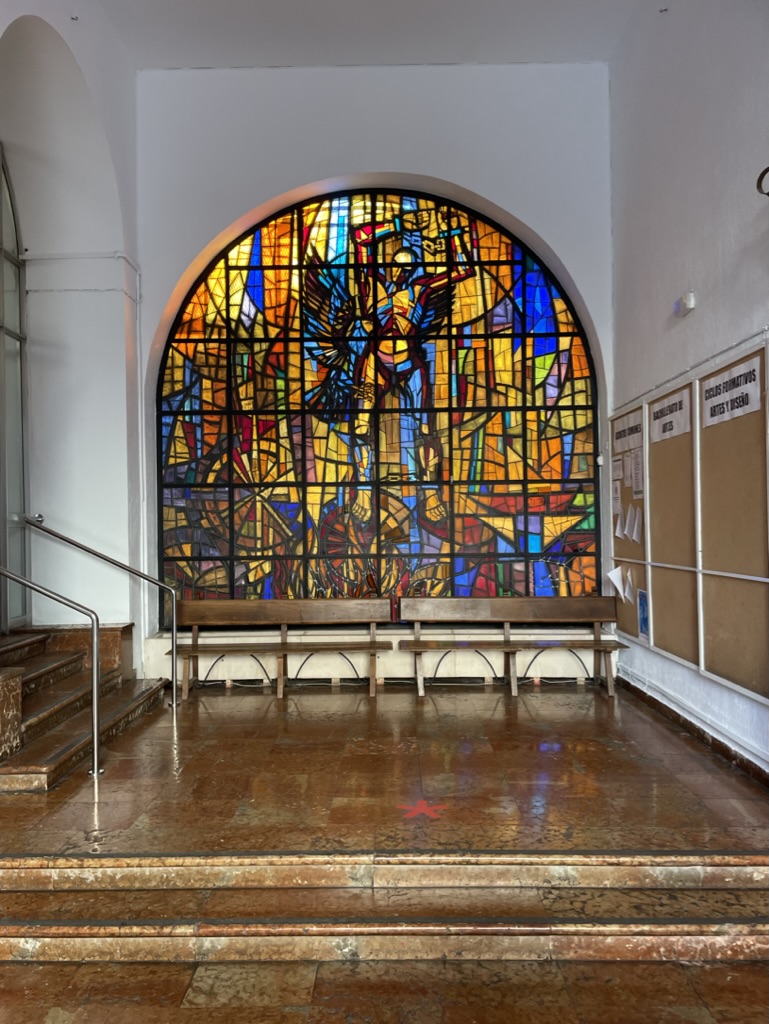
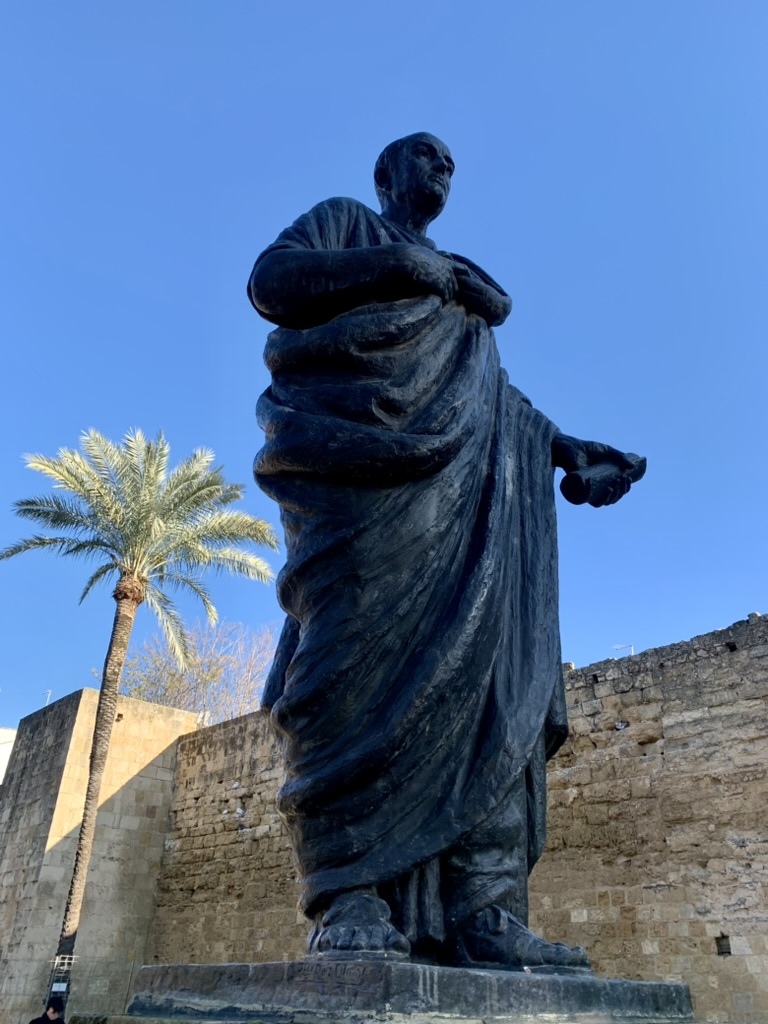
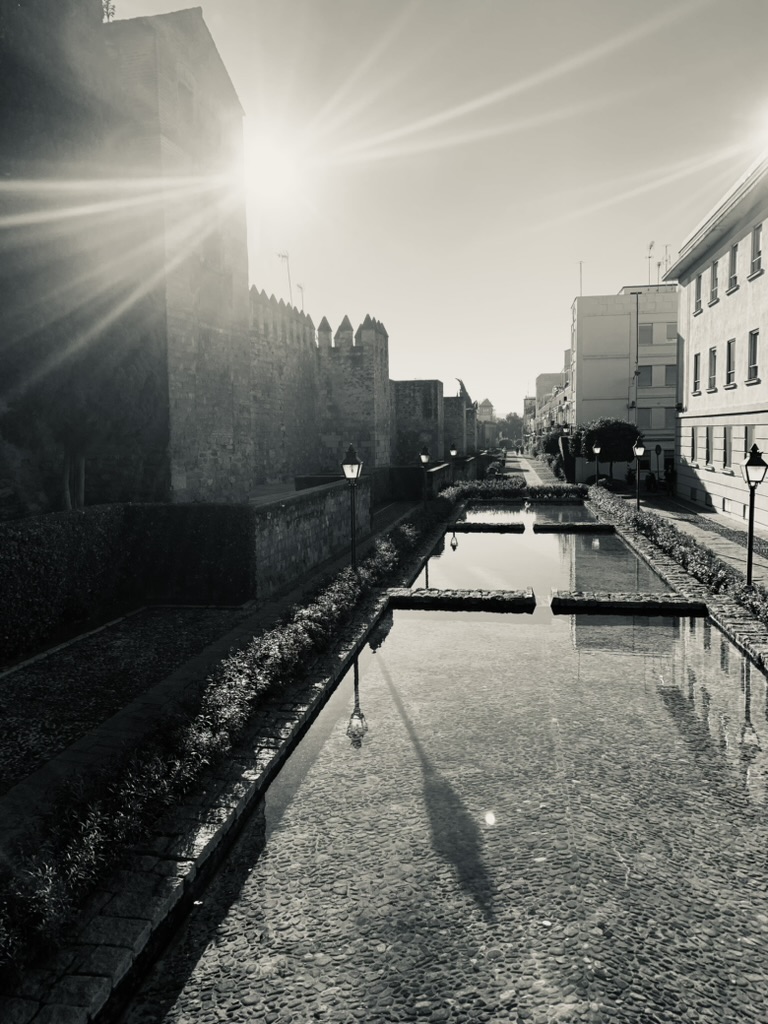
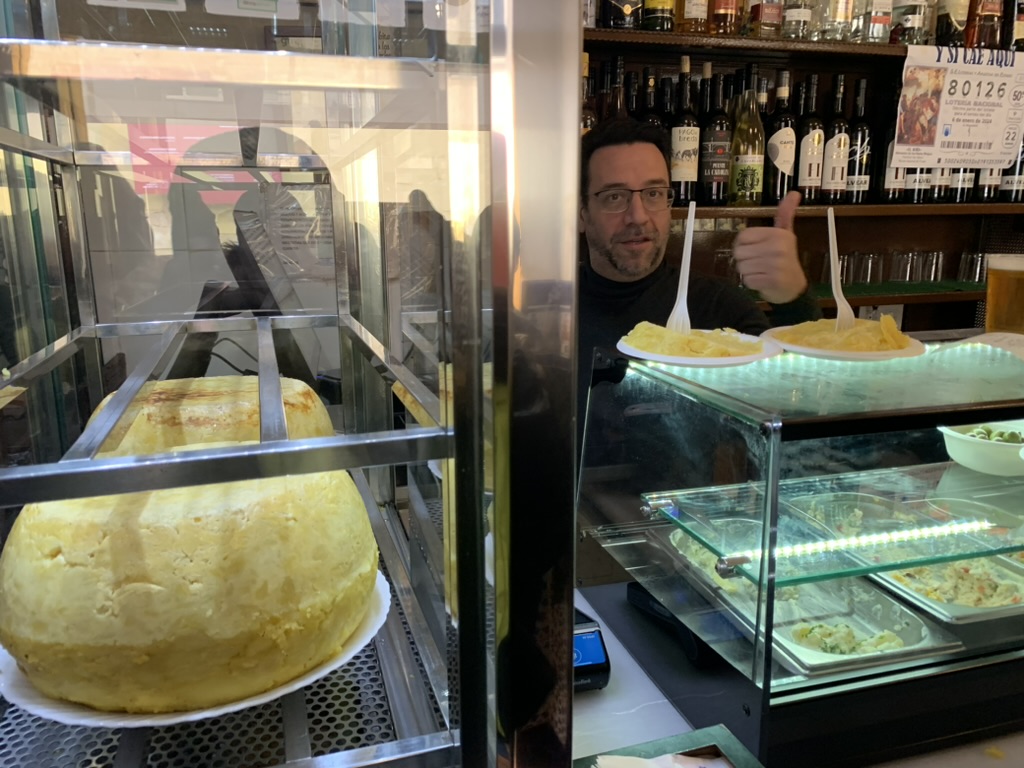
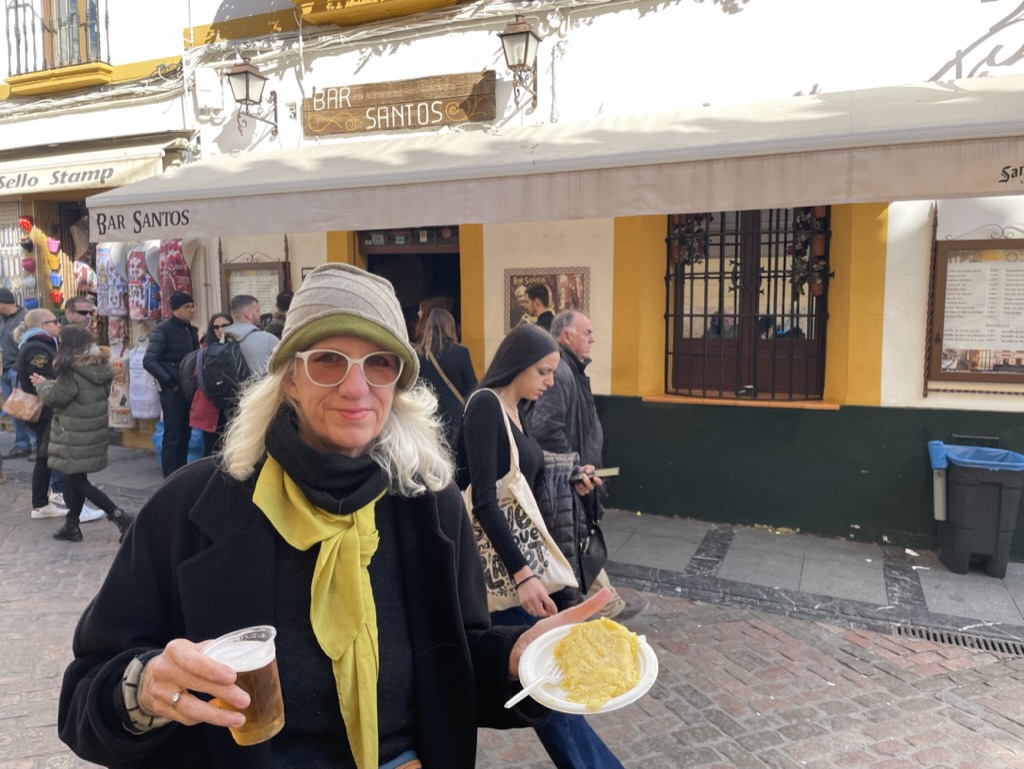
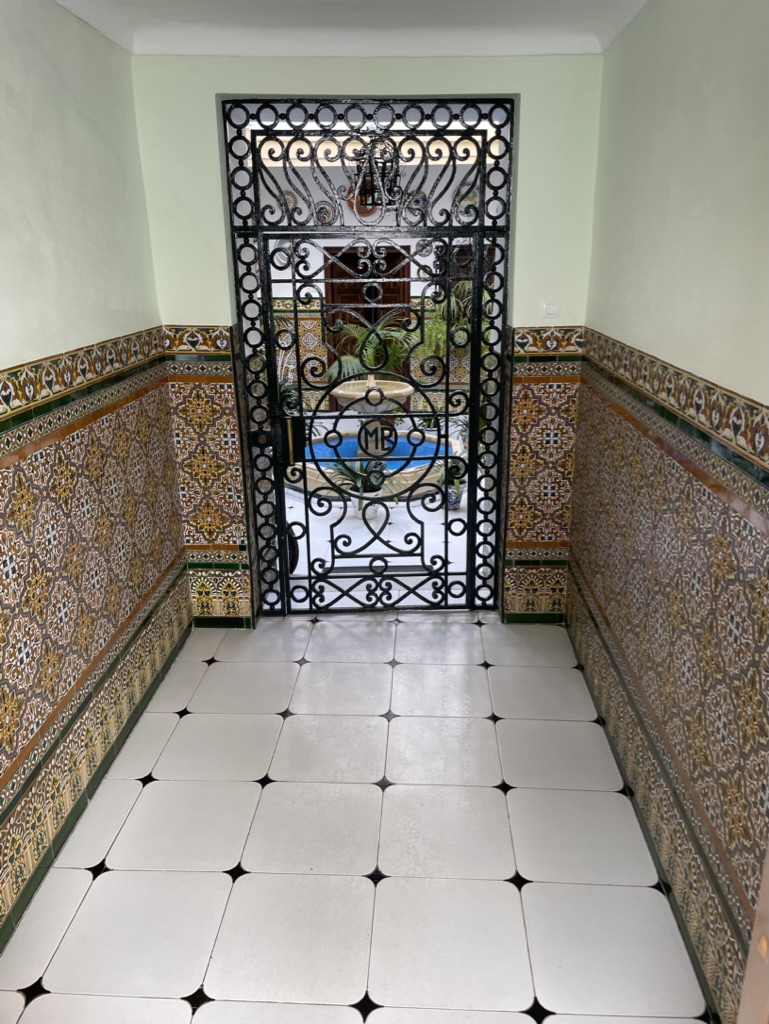
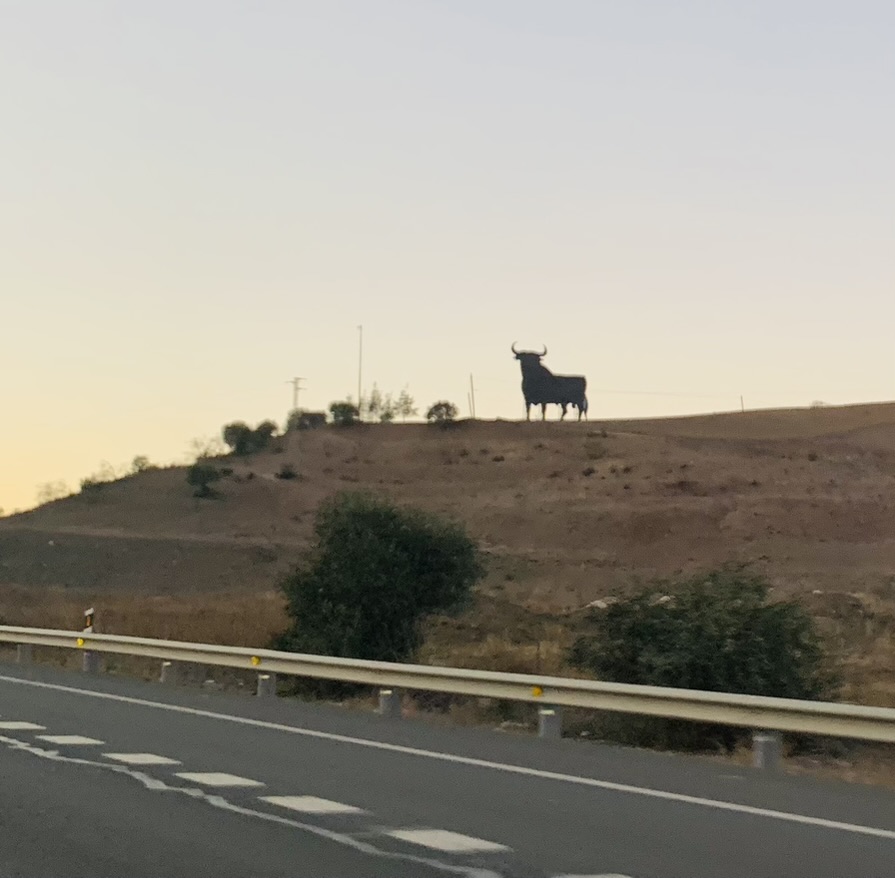
One of our goals on this journey was to avoid the worst heat of summer and the worst cold of winter. Of course, since Denise grew up in balmy Los Angeles, while I was raised in the frigid Northeast, one of us is gonna be unhappy at some point. We missed our guess last August in Jaca, Spain: we thought the high Pyrenees elevation would shelter us from the worst of the summer heat but it didn’t. It wasn’t terrible because we were right next to the community swimming pool but it has us planning to go much further north next summer. We thought that being in southern Spain would mitigate the winter temperatures but we miscalculated here too. Actually, our first choice was Málaga, a slightly warmer city, but we couldn’t find suitable accommodations there. Córdoba is not terribly cold – it doesn’t snow here – but it’s chilly in the morning until the sun comes out and warms things up to around 60° F (16° C), and then it’s very pleasant until sunset. As we say in New England, it builds character. Meanwhile, we’ve got lots to do and see here, with train trips to Granada and Madrid planned, as well as a car trip to the Extremadura region north of here. We will keep you posted, of course. Thanks for reading and Felíz Año Nuevo! Now here’s a bunch of random pictures from Córdoba.


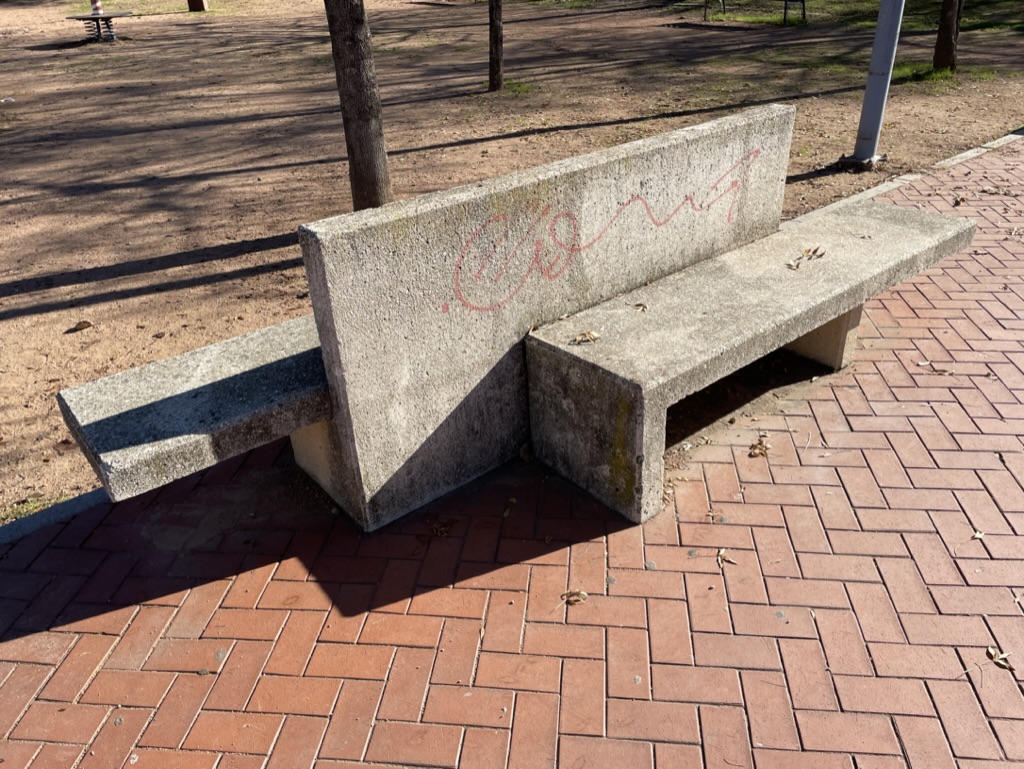


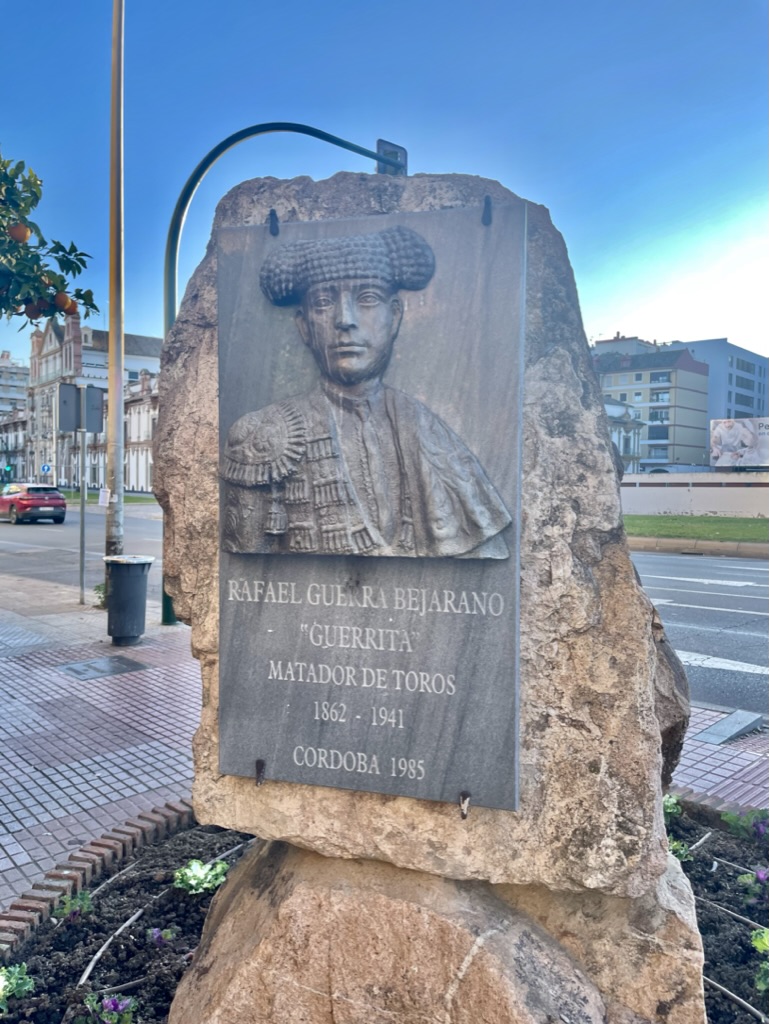
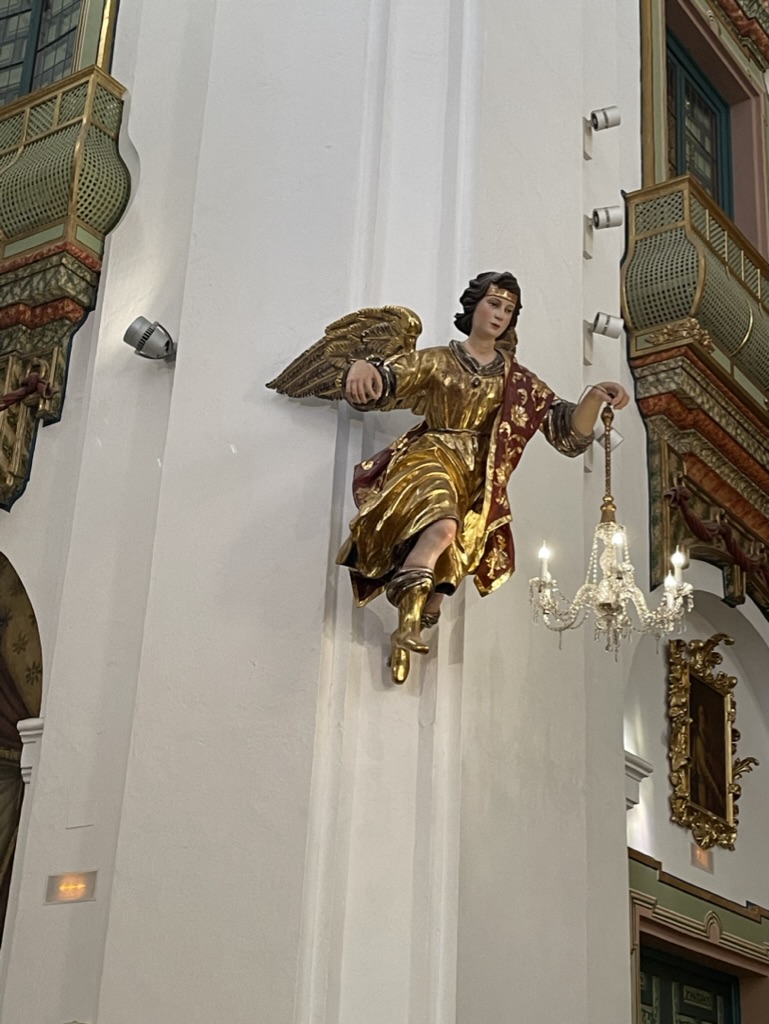
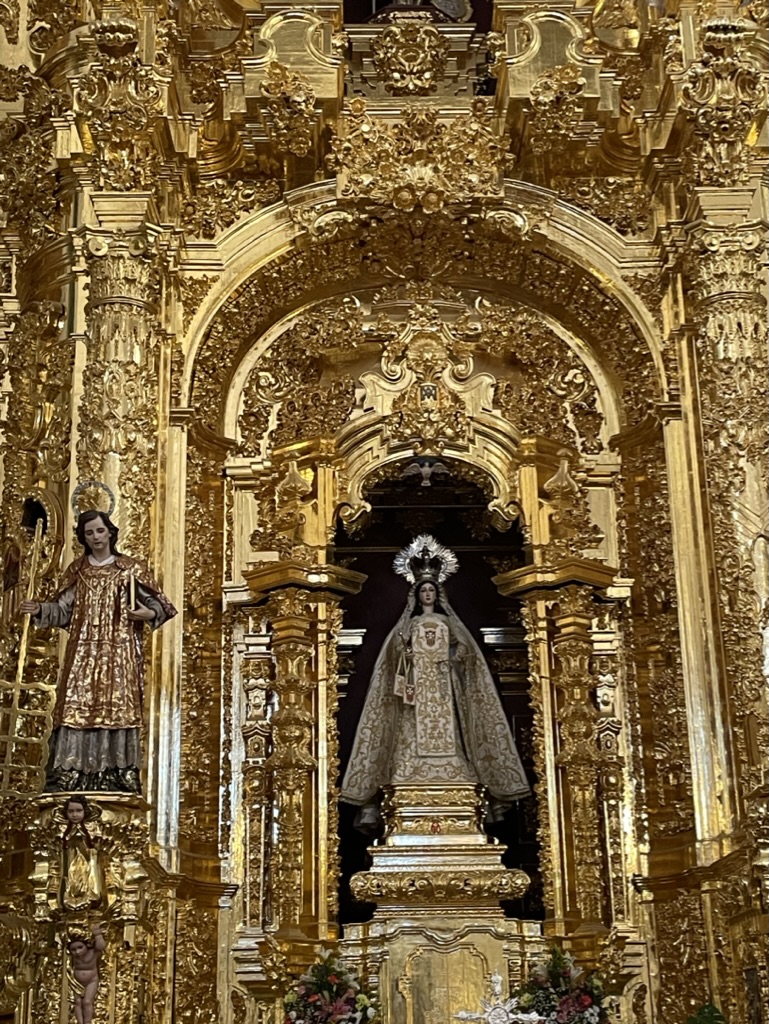

* A Hallmark Films production.
 Calculating Route...
I was just about to drop you a line inquiring about your Christmas in Cordoba post, for I knew there had to be one, and there it was! It will be good when the festive season is over and AFC will revert to only meaning “church”. 🙂 Great photos and captions as ever.
LikeLiked by 1 person
Thanks Vanessa! I’m sure you’re aware but Spain is obsessed with perfume: constant TV commercials for the top brands, large shops everywhere devoted to the product, the scent of Agua in the air…
LikeLike